Pottery ribs are some of the cheapest tools in the studio and some of the most useful. A thin piece of wood, metal, rubber or plastic changes how clay compresses, how smooth a wall looks, and how well a pot survives drying. If you throw or hand-build, pottery ribs will end up in your hand on almost every piece.
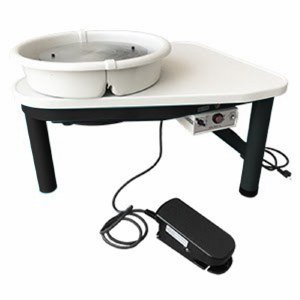
Table of Contents
Quick Answer
Pottery ribs are flat or curved tools used to shape, smooth and compress clay. A firm wooden or metal rib shapes and tightens a surface, a soft rubber rib smooths and softens it, and a serrated rib roughens clay for texture or scoring. Most potters start with one wooden rib, one flexible metal rib and one soft rubber rib. Those three cover compression, shaping and finishing for nearly every form.
What Pottery Ribs Actually Do
On the wheel, a rib supports the wall from the outside while your inside hand pushes outward. That gives you a controlled curve and removes the lumps you can feel but cannot always see. In hand-building, the same tool presses and smooths coils, slabs and joined seams.
There are three main jobs. First, shaping: a rib gives a clean profile to a bowl or cylinder. Second, compression: pressing clay with a rib aligns the particles and tightens the surface, which helps reduce cracks. Third, finishing: a soft rib removes slip and fingermarks before the piece firms up.
Why compression matters
Clay that has been thrown or rolled has a loose structure, especially across the base. Compressing the floor of a pot with a firm rib while it is still soft helps prevent the cracks that appear during drying. Our guide to why pottery cracks explains the stress behind this in more detail.
8 Essential Types of Pottery Ribs
You do not need all of them at once, but it helps to know what each type does before you buy.
Wooden pottery ribs
Wood is the classic choice. It is firm, warm to the hand and good for compressing and shaping. Wooden ribs come in straight edges, curves and profiled shapes. They wear slowly, and you can sand a worn edge back into shape.
Flexible steel ribs
Thin steel flexes to follow a curve and leaves a smooth, tight surface. It is excellent for scraping off slip and for cleaning up the outside of a bowl. A steel rib can leave a faint metallic mark on some clays, which washes off with a damp sponge.
Rigid metal ribs
A thicker metal rib holds its shape and works well for sharp profiles, such as the shoulder of a jar or a crisp rim. Keep the edge smooth, because a nicked edge scores the clay.
Soft rubber pottery ribs
Rubber ribs are flexible and gentle. They smooth fingermarks and soften an edge without cutting. Many potters reach for a rubber rib to finish the inside of a bowl or to blend a join.
Kidney ribs
The kidney shape fits comfortably in the palm and offers curves of different radius. It is a good all-round pick for throwing and for smoothing slabs.
Serrated pottery ribs
A serrated rib has small teeth along one edge. Use it to texture a surface, to score two pieces before joining, or to leave a tooth for slip or underglaze to grip.
Plastic and polymer ribs
Polymer ribs are inexpensive, durable and easy to clean. They suit beginners and work in a wide range of tasks, though they lack the bite of metal or the warmth of wood.
Custom profile ribs
You can cut your own rib from a plastic lid, a sheet of thin metal or a thin piece of wood. A custom rib repeats a profile, which is useful if you throw a set of matching jars or plant pots.
How to Choose Pottery Ribs for Your Work
The right choice depends on your clay and your forms. Think about the surface you want from your pottery ribs and the stiffness of the clay when you use the tool.
| Rib type | Best for | Watch out for |
|---|---|---|
| Wooden | Shaping and compressing | Edges wear over time |
| Flexible steel | Smoothing and scraping slip | Can mark some clays |
| Rigid metal | Crisp profiles | Nicks scratch the clay |
| Soft rubber | Finishing and blending | Not firm enough for shaping |
| Serrated | Texture and scoring | Leaves marks that must be smoothed |
| Kidney | General throwing | Check curve suits your forms |
Match the rib to the clay
Coarse, grogged clay can wear a metal edge quickly and chew up a soft rubber rib. Smooth porcelain shows every mark, so a fine, soft rib is a better choice. Test a rib on a scrap of your clay before you commit.
Using Pottery Ribs on the Wheel
Pottery ribs give you control that fingers alone cannot. Here is a simple way to use one on a cylinder.
- Center the clay and open it to the base thickness you want.
- Pull the wall up to a rough height.
- Place the rib on the outside, with your inside hand supporting the wall at the same level.
- Press gently and move upward in one smooth motion.
- Hold the rib at a slight angle so it does not dig in.
- Remove the rib at the rim before the wall wobbles.
Pressure and angle
Light pressure with pottery ribs is usually enough. If the wall flexes too much, the clay is too wet or too thin. Try a firmer rib, or let the clay stiffen a little. A rib held too flat will drag, while a tilted rib cuts slip away cleanly.
Slowing the wheel
Pottery ribs work best at a moderate speed. Too fast and the clay spins out of control, while too slow gives a rippled finish. If your wheel has a variable speed pedal, such as the GT400 pottery wheel, make small changes and watch the surface.
Using Pottery Ribs for Hand-Building
Pottery ribs are as useful in hand-building as on the wheel. On a coil pot, drag a rib across the outside to blend the coils together. On a slab, run a rib over the surface before cutting to remove canvas marks and compress the clay.
A serrated rib is handy for scoring before you join two slabs. Always add slip to a scored surface before you press the pieces together. For the base of a slab pot, compress the corners with a firm rib to reduce cracking later.
Smoothing seams
After joining, run a soft rib along the seam in short strokes. Support the wall from behind with your other hand so you do not push it out of shape.
Common Mistakes With Pottery Ribs
A few habits cause most of the problems people blame on their tools.
Pressing too hard
Heavy pressure thins the wall at one point and can twist the pot. Let the rib guide the surface, and use your inside hand as a counter-pressure rather than squeezing.
Using a dry or dirty rib
Dried clay on a rib leaves lines. Keep a bowl of water nearby and rinse pottery ribs between pieces. A rib that is slightly damp also glides better than one that is bone dry.
Stopping on the wall
If you pause mid-wall with the rib still touching, you leave a ring. Keep moving and lift the rib off at the rim in a smooth finish.
Using the wrong rib for the stage
A soft rib cannot shape a stiff wall, and a hard metal rib can tear clay that is too wet. Match the tool to the firmness of the clay, and change ribs as the piece stiffens. Pottery ribs are cheap enough that having a few to choose from is worth it.
Caring for Your Pottery Ribs
Rinse pottery ribs after each session and dry them. Wooden ribs can warp if left in water, so keep them out of the bucket. Steel ribs can rust if you leave them damp, and a quick wipe with a dry cloth stops this.
Check edges regularly. A nick in a metal rib leaves a line in every pot you smooth with it. You can file a metal edge flat, sand a wooden edge, or retire a rubber rib that has become stiff or torn. Store pottery ribs flat or hanging so they do not bend.
Building Your First Set of Pottery Ribs
If you are buying for the first time, start small. A wooden rib, a flexible steel rib and a soft rubber rib will cover most work. Add a serrated rib when you start joining slabs or adding texture, and a custom rib when you repeat the same shape often.
Look at your other equipment too. A comfortable wheel, a clean bat and a good trimming tool matter as much as the rib in your hand. Our guide to the pottery trimming tool and our article on pottery wheel bats go with this one. For reading on clay properties and surface effects, Digitalfire is a trusted reference.
Frequently Asked Questions About Pottery Ribs
What are pottery ribs made of?
Most pottery ribs are made from wood, steel, rubber or polymer plastic. Each material has its own strengths: wood is firm, steel is sharp and flexible, and rubber is soft and gentle. Many potters keep a few of each.
How many pottery ribs do I need?
Three is a good start: a wooden rib, a flexible metal rib and a soft rubber rib. You can add specialist pottery ribs later when your work calls for them.
Can I make my own pottery ribs?
Yes. Plastic lids, old credit cards and thin sheets of wood can be cut and sanded into serviceable ribs. A homemade rib is perfect for repeating a profile, as long as the edge is smooth.
Do pottery ribs help prevent cracking?
They can help. Compressing the base and the rim of a pot with a firm rib tightens the clay and reduces the stress that leads to cracks. Even drying and good wall thickness matter as well.
Final Thoughts
Pottery ribs are small, affordable tools with a big effect on your work. Learn what each type does, test a few on your own clay, and keep the edges clean and smooth. A modest set will carry you a long way.
If you are putting together a throwing setup, explore our pottery wheels and wheel accessories, or contact us and we will help you choose the right wheel for your space.
