Finishing a local pottery class often leaves people wanting more. Not everyone wants to keep paying for studio time or waiting for the next session to open up. If you searched for a pottery class near you, loved it, and now want your own setup, you’re not alone. This is one of the most common paths into home pottery equipment ownership.
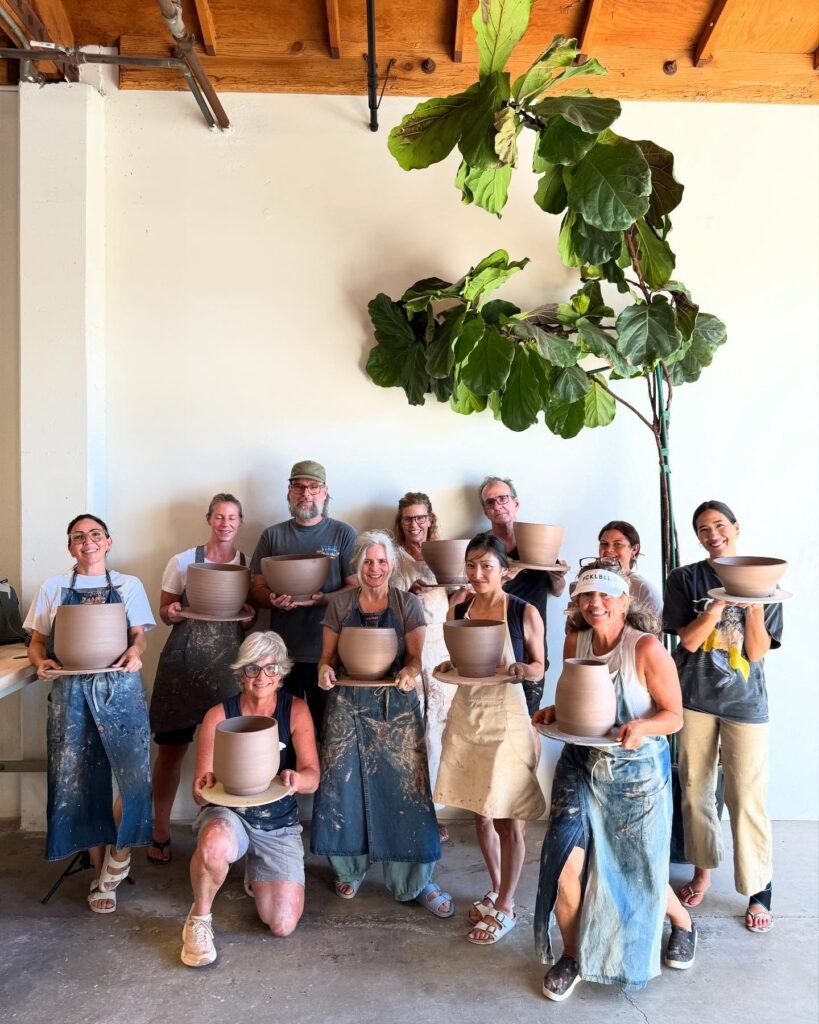
This guide covers what to actually buy first. It’s based on what a beginner coming out of a class already knows how to do.
What a Class Actually Teaches You
Most beginner classes cover centering, pulling, and basic shaping on a wheel. Simple glazing and firing get handled by the studio itself. You leave knowing the hand skills, but the studio has been quietly handling the equipment side the whole time.
That’s the real gap once you decide to continue at home. You already have the technique. What you don’t yet have is a wheel, and usually not a kiln either. Most home potters start with just the wheel and outsource firing at first.
Start With a Wheel, Not a Kiln
A wheel is the natural first purchase after a class, since it’s what you already know how to use. Firing still requires real electrical planning and a genuine commitment. Most new home potters throw at home and pay a local studio for firing. This works well, at least until they’re sure they’re sticking with it.
This approach also keeps your upfront cost manageable while you build a home practice. You avoid committing to two major purchases at once.
Best Wheel for Someone Coming Out of a Class: Shimpo Aspire
A dependable, real wheel that matches the skill level most beginners leave a class with. It’s not a toy, and it won’t hold you back as your technique improves.
Budget Option If You’re Still Deciding: Speedball Artista
Say you’re not fully certain pottery is a long-term hobby yet. This compact, more affordable wheel lets you keep practicing without a large upfront commitment.
Where to Fire Your Work
Many community studios and art centers offer kiln access to non-members. You drop off greenware and pick up finished pieces once fired. This is a genuinely common path for home wheel owners who aren’t ready for their own kiln yet.
Once you’re firing regularly enough that studio fees add up, that’s usually the real signal. It’s time to look at a home kiln of your own.
Setting Up Your Home Space
Most wheels need only a standard outlet. Plan for a modest amount of floor space too, roughly three feet by three feet for the wheel itself. Leave room nearby for a small worktable and drying shelf.
A corner of a garage, spare room, or even a covered patio works well. You don’t need a dedicated studio room to keep practicing what you learned in class.
How to Know You’re Ready to Commit
Say you found yourself thinking about the wheel between classes. Maybe you looked forward to your next session more than you expected. That’s a real signal worth paying attention to. Enjoying one class doesn’t guarantee a lasting hobby, but genuine excitement between sessions often does.
Here’s a simple gut check. Would you rather spend a free afternoon at the wheel than doing something else you’d normally choose? If the answer is yes more often than not, a home wheel is a reasonable next step.
What About Noise If You Live in an Apartment
Say a shared wall or apartment setting is holding you back. A quieter direct-drive wheel like this one removes that concern almost entirely. It costs more upfront. For many first-time buyers in shared housing, though, it’s the difference between practicing regularly and not practicing at all.
Real Cost Comparison: Studio vs Home
Studio memberships commonly run $135 to $300 per month depending on access hours and what’s included. A quality home wheel costs a fraction of even a few months of that. There’s no ongoing fee after the initial purchase.
This doesn’t mean studio access is a bad choice. Many potters value the community and shared equipment a studio offers. It simply means the math often favors home ownership once you know you’re sticking with the craft long term.
Ready to Set Up Your Own Space?
Browse our complete pottery wheel collection to find the right wheel to continue what you started in class.
