The earthenware vs stoneware question comes up in every beginner studio, and the answer affects your firing schedule, your glazes and even which kiln you can use. Both are good clays, but they behave very differently once they leave the wheel.
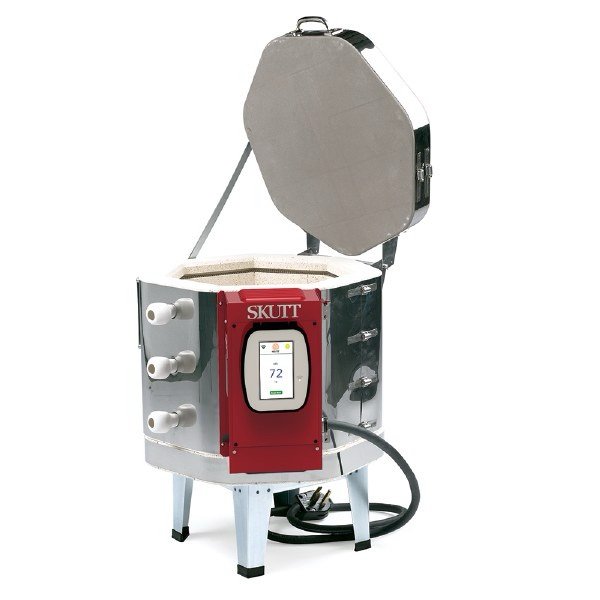
Table of Contents
Quick Answer
Earthenware vs stoneware comes down to temperature and durability. Earthenware fires at lower temperatures, stays more porous and takes bright, low-fire glazes. Stoneware fires hotter, becomes dense and strong, and is the usual choice for everyday mugs, bowls and plates.
In the earthenware vs stoneware choice, if your kiln reaches mid-range temperatures, stoneware is the practical default for functional pots. Choose earthenware for decorative work, planters, and colorful surfaces, or when your kiln cannot go beyond low-fire.
What Separates Earthenware vs Stoneware
Both materials are clay bodies made from similar raw ingredients, but they contain different proportions of fluxes, which are the ingredients that help clay melt and fuse in the kiln. Earthenware has plenty of fluxing material, so it matures at a lower temperature. Stoneware needs more heat before it becomes hard and dense.
That difference shapes everything else: the color of the fired clay, how much water it absorbs, how thick the walls should be, and which glazes fit. Think of earthenware vs stoneware as a trade between easy firing and long-term toughness.
Firing Temperatures: Earthenware vs Stoneware
Potters measure kiln temperature with pyrometric cones, not just degrees. Each cone number bends at a specific combination of heat and time, which is more reliable than a thermocouple reading alone. Our post on how to use witness cones in a pottery kiln explains the system.
Earthenware Firing Range
Earthenware is generally fired in the low-fire range, roughly cone 06 to cone 02, and many commercial low-fire glazes are made for cone 06 to 04. Always read the clay label, because some earthenware bodies mature at slightly different cones.
Stoneware Firing Range
Stoneware is typically fired at mid-range, around cone 5 to 6, or at high-fire, around cone 9 to 10. Mid-range cone 6 is very popular with electric kiln users because it gives a strong, durable body without the heavy wear on elements that high-fire brings.
The earthenware vs stoneware firing gap matters most when you buy a kiln. Check the maximum cone rating in the manufacturer’s manual before you commit to a clay.
Earthenware vs Stoneware Side by Side
| Feature | Earthenware | Stoneware |
|---|---|---|
| Typical firing range | Low-fire, about cone 06 to 02 | Mid or high-fire, about cone 5 to 10 |
| Fired density | Porous, absorbs water | Dense, vitrified when fully fired |
| Durability | Chips more easily | Strong and chip resistant |
| Fired color | Often red, orange or buff | Often gray, tan or brown |
| Glaze look | Bright, saturated colors | Softer, earthy or glossy depending on glaze |
| Best for | Decorative ware, planters, tiles | Mugs, bowls, plates, baking dishes |
Treat this earthenware vs stoneware table as a starting point. Individual clay bodies vary widely, and the clay manufacturer’s data sheet is always the final word.
Strength and Water Absorption in Earthenware vs Stoneware
Stoneware vitrifies when fired to maturity, meaning the clay particles partly melt and fuse so water can barely pass through. Earthenware stays porous even when fully fired, so it relies on a glaze to hold liquid.
In everyday terms, a stoneware mug survives bumps and wash cycles better. An earthenware mug can still be useful, but chips tend to expose bare, porous clay that stains and soaks up water. For that reason, most potters recommend stoneware for tableware that sees daily use.
Wall thickness helps either way. Earthenware is usually made slightly thicker to compensate for its softer fired body.
Glazes and Color: Earthenware vs Stoneware
Low-fire glaze chemistry gives earthenware its reputation for vivid reds, yellows and bright blues. High temperatures burn out some colorants, so those shades are harder to get in stoneware. Stoneware glazes tend toward rich, deep tones and breaks that show off texture.
Glaze fit also matters. A glaze that is too tight or too loose for the clay can craze or shiver, regardless of whether you chose earthenware vs stoneware. Use glazes recommended for the cone range of your clay and test a tile before you glaze a full load.
Food safety is another point. Use glazes labeled as food safe for the surfaces that touch food or drink, and follow each manufacturer’s directions for application and firing.
What Your Kiln Can Fire
Many hobby electric kilns are rated for cone 6 or higher, while some smaller models target low-fire only. Check the rating plate and manual before you order clay for earthenware vs stoneware work. A kiln that can handle your intended cone will last longer if you fire it comfortably below its top limit rather than at its maximum every time.
If you are shopping, browse our electric kilns and compare their maximum temperatures. A compact option such as the Skutt KM-714 electric ceramic kiln suits small studios, but confirm the rating in the manufacturer’s literature.
Wiring and installation must follow the manufacturer’s instructions, and a licensed electrician should handle the electrical work. Our guide to the best electric pottery kiln covers what to look for.
Firing Schedules for Each Clay
Earthenware and stoneware share a basic pattern: a bisque firing first, then a glaze firing. Many potters bisque earthenware at cone 04 and glaze it lower, while stoneware is often bisqued at cone 04 and glaze-fired at cone 6. The firing speeds vary by clay thickness and manufacturer, so check your clay’s recommended schedule.
If you need help building a schedule, read our guide on how to build a reliable kiln firing program. And if you wonder whether one kiln can serve both firings, see firing bisque and glaze in the same kiln.
Throwing Earthenware vs Stoneware on the Wheel
Many earthenware clays are smooth and plastic, which makes them pleasant for hand-building and for small thrown pieces. Because the fired body is softer, they are less forgiving for pots meant to take heavy use.
Stoneware varies from smooth to gritty. Bodies with grog, which is pre-fired ground clay, have more tooth and resist slumping on tall forms. Smooth stoneware throws like butter but can warp if the walls are uneven. In the earthenware vs stoneware comparison, there is no clear winner for throwing, because each type of clay has strong and weak examples.
Which Clay for Which Project
Use this list when you are deciding earthenware vs stoneware for a particular piece:
- Everyday mugs and bowls: stoneware.
- Dinner plates and baking dishes: stoneware, glazed with food-safe glazes.
- Planters and garden decor: either, though fully vitrified stoneware generally copes better with weather. Terra cotta planters are traditional earthenware and are made to breathe.
- Decorative tiles and sculpture: earthenware works well, especially with bright glazes.
- Classroom and beginner projects: earthenware is forgiving at low temperatures, but stoneware is a good long-term learning clay if the kiln allows.
Common Myths About Earthenware vs Stoneware
A few ideas about earthenware vs stoneware get repeated so often that beginners treat them as rules. The first myth is that earthenware is only for beginners. Skilled potters choose it deliberately for its color range and warm fired tones, and plenty of respected studio work is made in it.
The second myth is that stoneware is always waterproof. A well-fired stoneware body can be dense enough that it absorbs very little water, but that depends on reaching the right cone and on the specific clay. An underfired stoneware pot can stay quite porous.
The third myth is that color tells you the type. Red clay is often earthenware, but stoneware can be red, brown or buff as well, and some earthenware fires white. Judge the clay by its labeled cone range, not by how it looks in the bag.
Testing a New Clay Before a Full Firing
Whichever side of the earthenware vs stoneware choice you land on, test before you commit. Make a few small tiles and bowls, fire them through the whole bisque and glaze sequence, and check them for cracks, warping and glaze fit.
Write the clay name, cone and glaze on the back of each test piece. Leave a glazed test cup filled with water for a day and check whether the outside turns damp, which tells you if the body is dense enough. Keep a notebook of results so you can repeat what worked.
Measure shrinkage as well. Different clays shrink by different amounts as they dry and fire, and the figure matters when you size lids, handles and any fitted piece.
Planning Your Studio Around Earthenware vs Stoneware
The clay you pick shapes the equipment you need. A potter who works only in low-fire earthenware can often get by with a smaller, simpler kiln. A potter planning on mid-range stoneware should look for a kiln rated comfortably above cone 6, and for kiln shelves and posts that handle repeated heat cycles.
Think about your wheel too. Heavier stoneware bodies reward a reliable wheel with decent torque for larger pieces. Browse our pottery wheels if you are upgrading as you move from one clay to the other.
Mistakes to Avoid When Switching Clays
Switching between earthenware and stoneware is easy to get wrong if you assume your old settings still apply. Avoid these common errors:
- Firing earthenware to stoneware temperatures, which can melt or bloat the pot.
- Using low-fire glaze on a stoneware body, or vice versa, without checking the manufacturer’s range.
- Mixing scraps of both clays when reclaiming. They shrink differently and will not fit either glaze.
- Skipping a test tile after you change clay or glaze.
For firing guidelines and material charts, the Orton Ceramic Foundation website is a respected reference.
Frequently Asked Questions About Earthenware vs Stoneware
Can I fire earthenware and stoneware in the same kiln load?
Only if the firing is safe for both. Earthenware cannot take stoneware temperatures, so a mixed load is limited to the earthenware cone. In practice, most potters fire each type separately.
Is stoneware always better in the earthenware vs stoneware comparison?
Not always. Stoneware is stronger, but earthenware gives vivid colors and fires at lower temperatures with less strain on a kiln. The right choice depends on what you make.
Which is easier for beginners in the earthenware vs stoneware debate?
Both are manageable. Earthenware is gentle on a kiln, while mid-range stoneware gives tougher pots. A beginner with a cone 6 capable kiln usually does well with a smooth stoneware.
Is earthenware food safe?
It can be when it carries a properly fitted, food-safe glaze that the manufacturer states is suitable for dinnerware. Unglazed earthenware is porous and not suitable for holding liquids.
Final Thoughts
The earthenware vs stoneware decision is simpler once you know your kiln’s limit and your pot’s job. Pick stoneware for strong, everyday ware, pick earthenware for colorful or decorative work, and always follow the clay and glaze manufacturers’ firing ranges.
Not sure what your studio needs? Look at our electric kilns and kiln furniture, or contact us and we will help you match equipment to the clay you plan to use.
