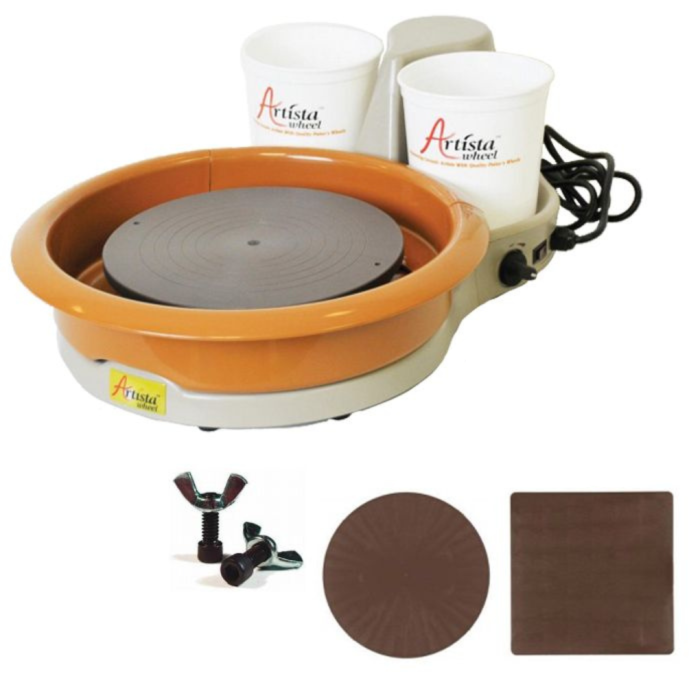
Not sure which beginner pottery tools to buy first? Follow this staged shopping order so you spend on what matters and skip what you will not use yet.
Category Archives: Pottery Basics
16
Oct
Oct
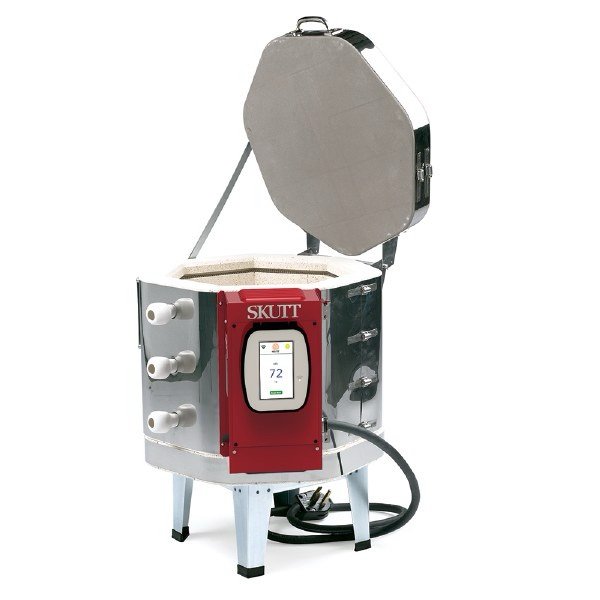
Earthenware vs stoneware comes down to firing range, durability, glaze and what your kiln can reach. Here is how to choose the right clay for your studio.
15
Oct
Oct
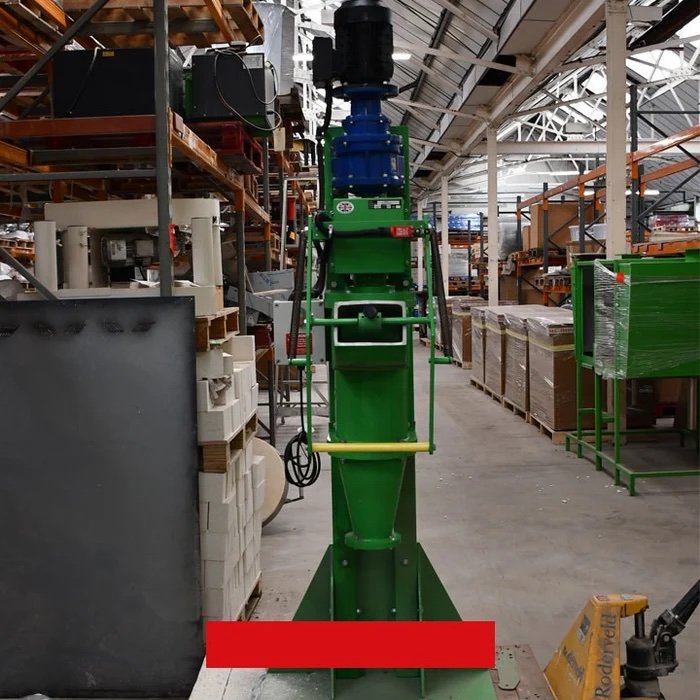
Recycling clay saves money only when the batch comes out usable. Here are the seven mistakes that ruin reclaimed clay and how to avoid each one.
15
Oct
Oct
Wedging clay removes air and evens out moisture before you throw or build. Learn ram’s head, spiral and cut wedging, plus table height and safety tips.
12
Oct
Oct
Loading a kiln the right way means more even heat and fewer ruined pots. Use this checklist for shelves, posts, spacing, cones and glaze-ready feet.
11
Oct
Oct
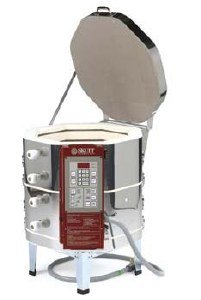
Bisque firing explained step by step: how to dry ware, load the kiln, pick a cone, and avoid cracks and exploded pots so every piece is ready for glaze.
11
Oct
Oct
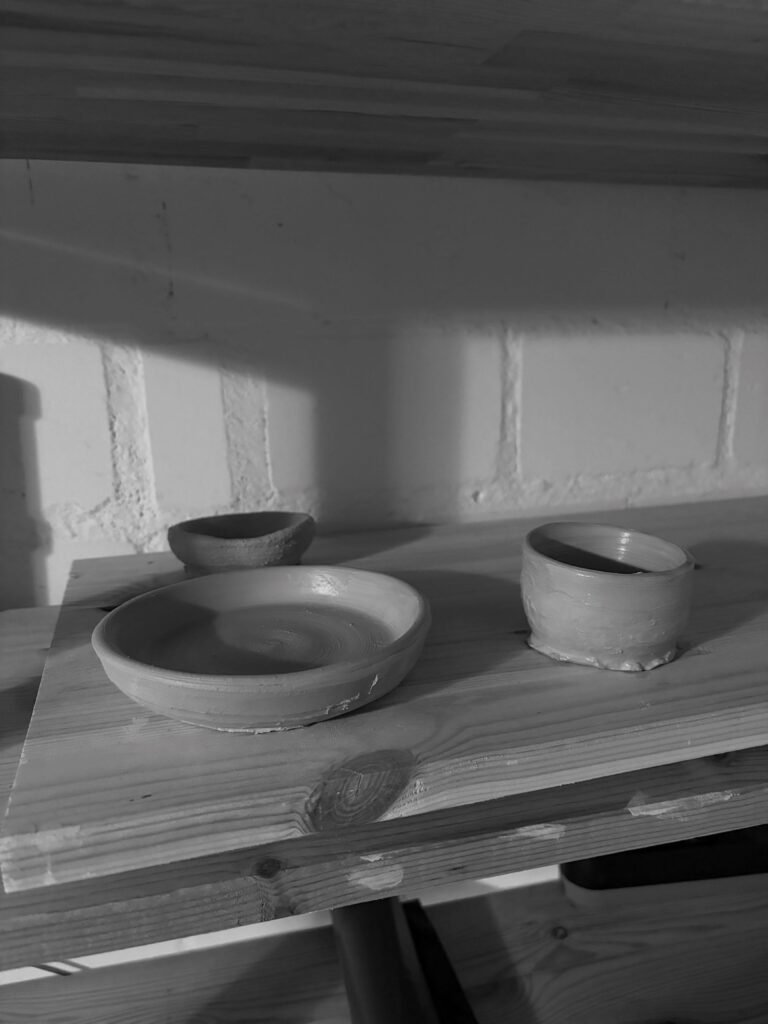
Cone 6 vs cone 10 explained: firing temperatures, clay and glaze choices, kiln wear and cost, so you can pick the right firing range for your studio.
04
Oct
Oct
Pottery drying cabinet systems give potters more control over one of ceramics’ most frustrating stages: drying greenware evenly enough to prevent cracking, warping, broken attachments, and rushed bisque firings. A drying cabinet is not a shortcut that makes wet clay instantly safe to fire. Instead, it creates a more controlled environment that can help work dry […]
If you’ve been paying attention to the pottery community lately, you’ve probably noticed that ceramics are moving in several different directions at once. Some potters are going deeper into traditional techniques. Others are pushing ceramics toward sculpture, digital fabrication, and experimental forms. Functional pottery remains important, but the definition of “functional” is becoming much broader. […]
Learning how to reclaim pottery clay can save money, reduce studio waste, and give your scraps another useful life. Every potter eventually ends up with trimmings, failed pots, dried clay, and pieces that never make it to the kiln. Instead of throwing all that material away, you can often turn it back into workable clay. […]
- 1
- 2