Pottery drying cabinet systems give potters more control over one of ceramics’ most frustrating stages: drying greenware evenly enough to prevent cracking, warping, broken attachments, and rushed bisque firings.
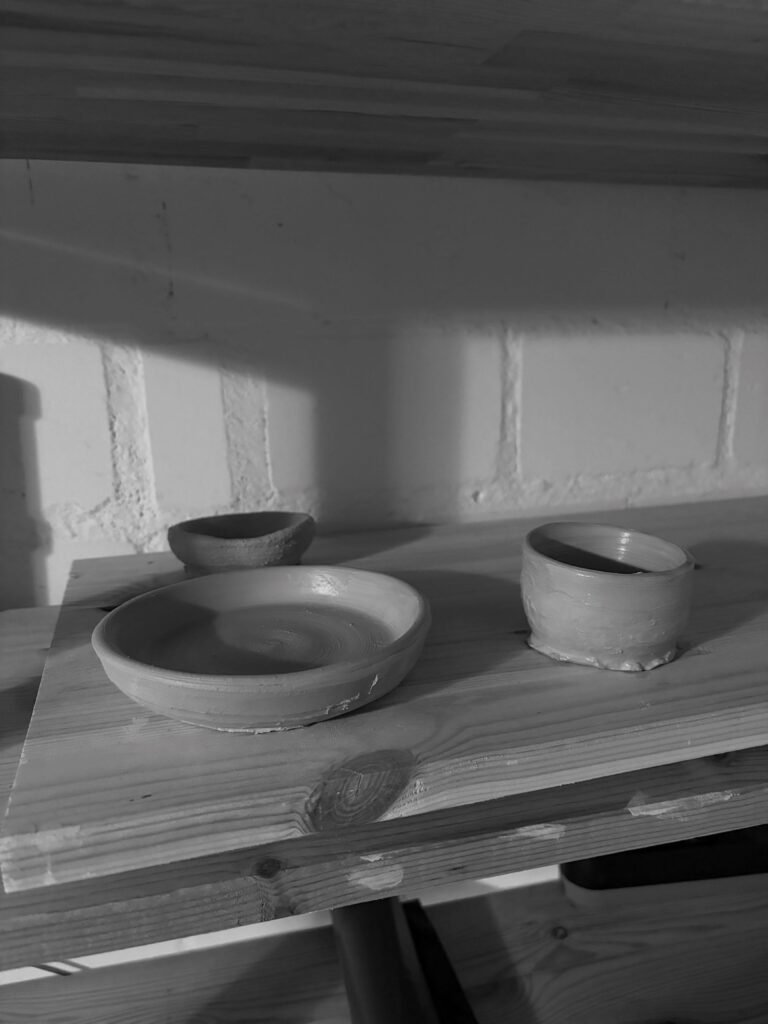
A drying cabinet is not a shortcut that makes wet clay instantly safe to fire. Instead, it creates a more controlled environment that can help work dry consistently. For schools, community studios, production potters, and artists working in damp climates, that control can improve workflow and reduce waste.
[Hero Image — ALT: Pottery drying cabinet holding evenly spaced greenware bowls, mugs, and ceramic sculptures]
Executive Summary
A pottery drying cabinet is an enclosed storage unit designed to help clay ware dry more predictably. Some models use gentle heat and airflow; others are intended to hold work at a controlled damp stage. The right choice depends on whether your biggest problem is work drying too slowly, drying too fast, or drying inconsistently.
A true drying cabinet can improve production flow when the studio has a consistent volume of greenware waiting to dry. A damp cabinet serves a different purpose: it slows moisture loss so work remains workable between sessions. Open shelving, plastic wrapping, drying boards, and well-managed room conditions can also be enough for many home potters.
The key is not buying a cabinet because it looks professional. It is choosing the drying system that matches the size, thickness, volume, clay body, and pace of your work.
Quick Answer
Do you need a pottery drying cabinet? You may benefit from one if your studio regularly loses work to uneven drying, needs predictable turnaround for classes or production, experiences high humidity, or produces more greenware than open shelving can manage.
Avoid treating a pottery drying cabinet as a cure for poor construction, uneven wall thickness, rushed assembly, or visibly wet clay. Good drying begins when you build the piece.
Key Takeaways
- A pottery drying cabinet controls drying conditions; it does not make wet pottery safe to fire immediately.
- Drying too quickly can cause uneven shrinkage, cracks, and warped forms.
- A damp cabinet keeps work moist and workable; a drying cabinet removes moisture more predictably.
- Schools and high-volume studios often gain the most from dedicated drying equipment.
- Home potters may get excellent results from racks, plastic, drying boards, and a controlled room.
- Large, thick, attached, or sculptural work needs slower drying than thin, evenly made pieces.
- A drying system should be planned with shelving, kiln capacity, and overall studio workflow.
- Proper drying reduces reliance on emergency kiln candling and lowers the risk of bisque failures.
Table of Contents
- What a pottery drying cabinet does
- Drying cabinet vs. damp cabinet
- When a drying cabinet is worth buying
- Why pottery cracks during drying
- The nine buying factors
- Cabinet alternatives for home studios
- How to use a pottery drying cabinet correctly
- Costs, maintenance, and ownership
- Frequently asked questions
What Is a Pottery Drying Cabinet?
A pottery drying cabinet is an enclosed cabinet designed to provide a more controlled environment for greenware. Depending on the design, it may use low heat, managed airflow, adjustable settings, racks, and insulation to encourage even moisture loss.
The goal is not maximum speed. The goal is predictable, even drying.
Clay shrinks as water leaves the body. If one section dries much faster than another, it can pull against the slower-drying section. That stress is a common cause of cracks, warped rims, cracked handles, and failed joins.
A pottery drying cabinet can help reduce that mismatch by limiting extreme drafts, controlling airflow, and allowing a studio to dry more work under similar conditions.
[Feature Close-up — ALT: Pottery drying cabinet shelves with leather-hard bowls drying evenly on removable trays]
Pottery Drying Cabinet vs. Damp Cabinet
These two tools are often confused, but they solve opposite problems.
| Equipment | Primary purpose | Best for | Avoid when |
|---|---|---|---|
| Pottery drying cabinet | Removes moisture in a controlled way | Preparing greenware for bisque | Work is still being shaped, attached, or carved |
| Damp cabinet | Retains moisture and slows drying | Holding works in progress | You need ware ready for firing |
| Open drying rack | Provides passive airflow | Small, low-volume studios | Room conditions create uneven drying |
| Plastic-wrapped shelf | Slows moisture loss | Thick work and attachments | Work needs a consistent production schedule |
A pottery drying cabinet is usually most valuable after the forming, joining, trimming, and decorating stages are complete. A damp cabinet is useful earlier, when you need to pause work without letting it dry past a workable stage.
Ceramic Arts Network notes that simple enclosed storage with moisture sources can serve as a practical damp cabinet. Use it to preserve workability, not as a substitute for safe drying.
When Is a Pottery Drying Cabinet Worth Buying?
A pottery drying cabinet is a sensible purchase when it solves a recurring and measurable workflow problem.
Consider one if you regularly experience:
- Greenware that dries unpredictably because of humidity
- Class work that cannot dry on schedule
- Cracking from uneven drafts or inconsistent room conditions
- Too little shelving for the volume of work in progress
- Production delays between throwing and bisque firing
- Repeated emergency candling because ware is not dry in time
- Limited studio space that needs vertical, organized drying capacity
- Large batches of similar pieces that must dry consistently
Best Fit: Schools and Community Studios
Schools often need to move hundreds of student pieces through a limited number of kiln firings. A drying cabinet can create more predictable timing, reduce classroom clutter, and help instructors avoid loading uncertainly dry work.
Best Fit: Production Potters
A production potter who makes the same forms repeatedly can benefit from a predictable drying stage. It helps schedule trimming, glazing, bisque firing, and delivery more reliably.
Best Fit: Humid or Unstable Environments
Basements, garages, coastal areas, and seasonal workspaces can have difficult drying conditions. A cabinet may provide more consistency than open shelving.
Who Should Avoid Buying One First?
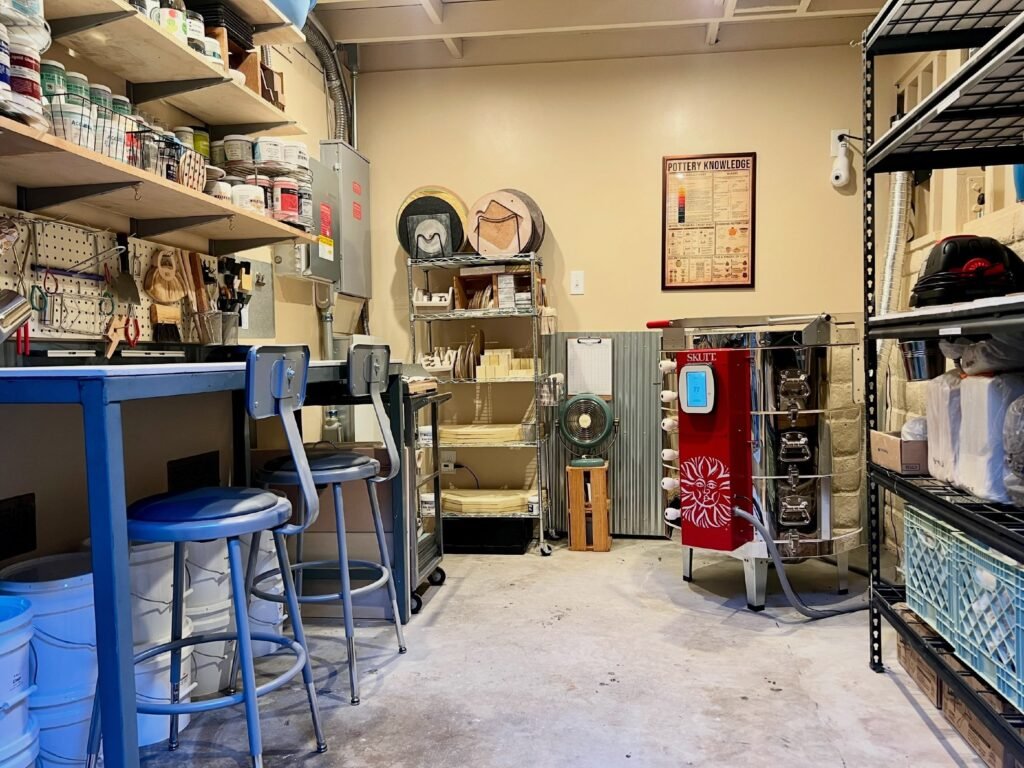
A new home potter with a few pieces in progress each week may get better value from a sturdy drying rack, bats, ware boards, covered storage, and a properly planned home pottery wheel setup.
Do not buy a large cabinet before you have enough work volume to use it.
Why Pottery Cracks While Drying
A pottery drying cabinet can help manage drying conditions, but it cannot fix poor construction.
Cracks usually result from uneven shrinkage. That can happen when:
- Walls vary greatly in thickness
- Bases are much thicker than walls
- Handles dry faster than vessels
- Joined pieces are at different moisture levels
- Work sits in direct sun or a strong draft
- Clay is forced to dry too quickly
- Large sculptures are not hollowed correctly
- Greenware is moved or stressed at the wrong stage
The KILN DEPOT’s guide to why pottery cracks explains why even drying begins with even construction.
The cabinet supports that process. It does not replace it.
The 9 Factors to Compare Before Buying
1. Drying Capacity
Start with the amount of work you make during your busiest week—not your ideal future output. Measure the shelf area you need for mugs, bowls, plates, or sculptures.
A cabinet that holds 20 pieces may be useful for a home studio but inadequate for a class of 30 students. A large cabinet can waste floor space if it is rarely full.
2. Interior Shelf Design
Look for shelves that support your usual work.
Questions to ask:
- Are shelves adjustable?
- Are they removable for cleaning?
- Can they hold heavy work safely?
- Will shelves accommodate tall vases or sculptures?
- Are they easy to load without damaging rims or handles?
A pottery drying cabinet with poor shelf spacing creates the same storage problems as an ordinary rack.
3. Temperature and Airflow Control
More heat is not automatically better. Gentle, adjustable conditions are more useful than aggressive heat that dries the outside of work before the interior can equalize.
Choose a cabinet with controls that match your work. For thin mugs and small bowls, a mild drying environment may be enough. For thick sculptural work, slow drying and careful monitoring are more important than speed.
4. Moisture Management
Some systems are designed to dry work. Others can hold it in a damp state. Know which function you need before buying.
A drying cabinet helps move ware toward bone dry. A damp cabinet holds moisture in. Neither should be used carelessly with unknown clay bodies or very thick work.
5. Studio Footprint
Measure the cabinet’s outside dimensions, door swing, loading access, and required clearance. Consider whether it needs a dedicated electrical outlet and whether the studio floor can support its weight.
A cabinet that blocks your wheel, wedging table, kiln path, or emergency egress is not a good studio upgrade.
6. Power Requirements
Check voltage, wattage, plug type, and electrical requirements before ordering. Do not assume a cabinet operates from the same outlet as a pottery wheel or kiln.
Electrical installation should be planned according to the manufacturer’s specifications and local requirements.
7. Cleaning and Dust Control
Choose surfaces that are easy to wipe clean. Avoid equipment that creates inaccessible shelves and corners where dry clay residue can accumulate.
A good drying system supports your clay dust control routine rather than making it harder.
8. Build Quality and Service Support
For schools and production studios, replacement parts, warranty coverage, accessible controls, and local service support matter. A cabinet that fails in the middle of a busy semester can disrupt the entire firing schedule.
9. Total Ownership Cost
The purchase price is only part of the decision. Also consider:
- Electrical installation
- Operating energy
- Cleaning and maintenance
- Replacement shelves
- Repairs
- Studio space
- Delivery and setup
- Whether it eliminates breakage and labor delays
How to Use a Pottery Drying Cabinet Correctly
Start With Properly Constructed Work
A pottery drying cabinet works best when pieces have consistent walls, well-compressed joins, and reasonable thickness. Do not load visibly wet, dripping, or structurally weak work and expect the cabinet to solve the problem.
Space Ware Properly
Leave room between pieces for air movement. Do not stack greenware directly on top of other greenware. Keep handles, rims, and attachments protected from contact.
Dry Similar Work Together
If possible, group work by thickness and type. Thin cups and large, thick sculptures should not be treated as if they dry at the same rate.
Begin Gently
Use conservative settings, especially when you are learning a new cabinet, clay body, or form. Check work frequently at first. Look for cracking, warping, pale dry edges, or sections that feel significantly cooler than others.
Do Not Skip Bone-Dry Checks
A cabinet can accelerate drying, but it does not make every piece safe to bisque automatically. Greenware should still be thoroughly dry before firing.
If there is any uncertainty—especially with thick pieces, large work, or humid conditions—use a conservative firing schedule and consider appropriate kiln candling.
[Comparison Table — ALT: Pottery drying cabinet comparison showing even drying, overly rapid drying, and damp cabinet storage]Drying result What it looks like Likely adjustment Even drying Consistent color and firmness Continue the current routine Edge cracking Rims or handles dry faster Reduce airflow or slow the process Base cracking Base remains wetter than walls Improve construction and slow drying Warping Uneven support or drying Use better boards and more gradual drying Work remains workable Moisture retained evenly Use a damp cabinet or covered storage
Pottery Drying Cabinet Alternatives
Not every studio needs dedicated drying equipment.
Open Drying Racks
A rack provides inexpensive vertical storage and can work well when the room has stable temperature, moderate humidity, and no strong drafts.
Best for:
- Small home studios
- Low-volume pottery
- Thin, evenly made ware
- Artists who can allow plenty of drying time
Ware Boards and Bats
Boards and bats allow potters to move soft work safely. They are especially useful for thrown forms that would distort if lifted directly from the wheelhead.
Plastic and Covered Shelving
Loose plastic can slow drying and help equalize moisture. It is particularly helpful for handles, attachments, thick bases, and large forms.
Damp Cabinets
A damp cabinet is an excellent choice when your main problem is work drying too soon. It lets you pause a project, keep clay workable, and coordinate pieces made across different sessions.
Common Pottery Drying Cabinet Mistakes
Buying Speed Instead of Control
The fastest-drying cabinet is not necessarily the best cabinet. Rapid drying can create the same defects you are trying to prevent.
Loading Uneven Work Together
A thick sculpture and a thin cup should not be expected to dry at the same rate. Group work thoughtfully.
Using a Cabinet as a Substitute for Good Construction
Uneven walls, weak joins, poor compression, and badly attached handles can fail in any drying environment.
Skipping Inspections
Check pieces regularly, especially during the first weeks of using a new drying cabinet. Your clay body, cabinet settings, room conditions, and forms all matter.
Loading Wet Ware Into a Kiln
Drying equipment reduces uncertainty, but it does not remove the need for a bone-dry check before bisque firing.
Forgetting Kiln Capacity
A cabinet can create a bottleneck if it dries more work than your kiln can fire. Plan drying space, storage space, and firing capacity together.
Maintenance and Ownership Costs
A pottery drying cabinet should be cleaned regularly. Wipe shelves, remove clay debris while it is still damp, inspect electrical cords and controls, and keep the area around the cabinet clear.
Do not use the cabinet as a general storage closet for tools, chemicals, packaging, or unrelated supplies. Its job is to manage greenware.
Track these ownership costs:
- Energy use
- Shelf replacement
- Cleaning supplies
- Electrical service
- Repairs
- Warranty coverage
- Lost work prevented
- Labor saved through predictable drying
For many studios, the largest return is not faster drying. It is fewer cracked pieces, fewer delayed firings, and less time spent guessing whether work is ready.
Frequently Asked Questions
1. What is a pottery drying cabinet?
A pottery drying cabinet is enclosed equipment that helps greenware dry more predictably through controlled conditions.
2. Is a pottery drying cabinet the same as a damp cabinet?
No. A drying cabinet removes moisture; a damp cabinet holds moisture to keep work workable.
3. Can a drying cabinet prevent cracks?
It can reduce cracking caused by uneven drying, but it cannot fix poor construction, uneven walls, or weak joins.
4. Do home potters need a drying cabinet?
Not always. Open racks, plastic, bats, and careful drying may be sufficient for low-volume work.
5. Are drying cabinets good for schools?
They can be extremely useful for schools because they improve turnaround and organize large amounts of student greenware.
6. Can I put wet pottery directly in a drying cabinet?
Follow the manufacturer’s guidance. The cabinet should support controlled drying, not rescue dripping or poorly constructed work.
7. Can I fire pottery directly from a drying cabinet?
Only after confirming it is thoroughly dry. A drying cabinet does not replace a bone-dry check.
8. Does a drying cabinet use a lot of electricity?
Usage depends on the model, settings, ambient conditions, and workload. Check manufacturer specifications before purchase.
9. Can I dry glazed ware in a pottery drying cabinet?
Some studios use controlled drying for glaze work, but follow the glaze and cabinet manufacturer guidance. Greenware and freshly glazed bisque may need different handling.
10. How do I know if work is drying too fast?
Look for cracks, warped rims, dry edges, pale patches, and attachments drying faster than the main form.
11. Can thick sculpture go into a drying cabinet?
It may, but thick work needs conservative settings, careful monitoring, and adequate drying time. Hollow large work correctly whenever possible.
12. Should I use a drying cabinet for handles?
Handles can dry quickly. Use slower, more even conditions and protect the joint from drying ahead of the vessel.
13. Is a drying cabinet better than shelving?
It is better only when your studio needs controlled drying. Shelving is simpler and can be ideal for low-volume work.
14. What is the best temperature for a pottery drying cabinet?
There is no universal setting. Follow the cabinet manufacturer’s guidance and begin conservatively for your clay body and forms.
15. Can a drying cabinet replace kiln candling?
No. Candling is a low-temperature stage used before firing when moisture remains a concern. It is not a substitute for correct drying, and a cabinet does not make candling unnecessary in every situation.
16. How should I clean a drying cabinet?
Wipe shelves and surfaces with damp materials, remove residue before it dries, and follow the manufacturer’s maintenance instructions.
17. Can I use a food dehydrator for pottery?
Do not assume food appliances are appropriate for ceramic studio work. Use equipment designed or approved for the task.
18. What should I buy with a drying cabinet?
Consider drying boards, ware racks, bats, covered reclaim containers, a moisture-control plan, and enough kiln capacity for your output.
19. Does a drying cabinet help production potters?
Yes, particularly when it improves scheduling and reduces loss across repeated forms and larger batches.
20. When should I upgrade from open racks to a drying cabinet?
Upgrade when unpredictable drying, breakage, humidity, class volume, limited floor space, or production delays repeatedly cost more than the equipment.
Glossary
Bone dry: Clay that has dried thoroughly before firing.
Damp cabinet: An enclosed environment that keeps clay moist and workable.
Greenware: Unfired pottery after it has been formed and dried.
Ware board: A board used to support and move pottery during drying.
Uneven shrinkage: Stress caused when one area of clay dries and contracts faster than another.
Related Articles
Improve your drying and firing process with The KILN DEPOT’s guides to why pottery cracks, kiln candling, pottery studio equipment, and kiln shelf spacing.
Final Verdict
A pottery drying cabinet is a valuable studio upgrade when drying is a consistent production problem, not merely an occasional frustration.
Choose it for control, capacity, and predictable workflow—not for speed alone. Build good forms, dry them gradually, inspect them carefully, and coordinate your cabinet capacity with shelving and kiln capacity. That is how a drying cabinet helps protect your work and keeps a pottery studio moving.
Build a More Reliable Pottery Workflow With The KILN DEPOT
Explore pottery wheels, studio equipment, kiln furniture, shelves, posts, ceramic firing supplies, and other tools that support a safer, more productive pottery studio at The KILN DEPOT.
