If you’ve been paying attention to the pottery community lately, you’ve probably noticed that ceramics are moving in several different directions at once. Some potters are going deeper into traditional techniques. Others are pushing ceramics toward sculpture, digital fabrication, and experimental forms. Functional pottery remains important, but the definition of “functional” is becoming much broader. […]
Tag Archives: pottery techniques
09
Sep
Sep
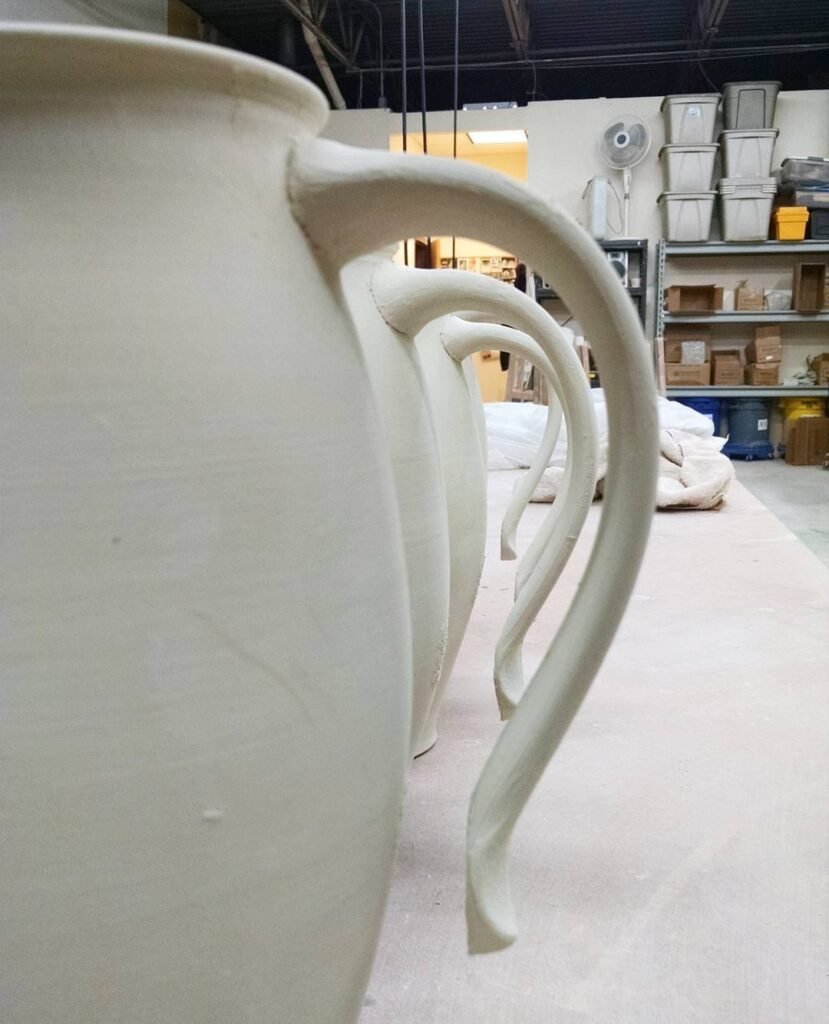
Learn how to attach pottery handles securely and avoid common problems such as cracking, weak joins, uneven drying, and handles that break after firing.
09
Sep
Sep
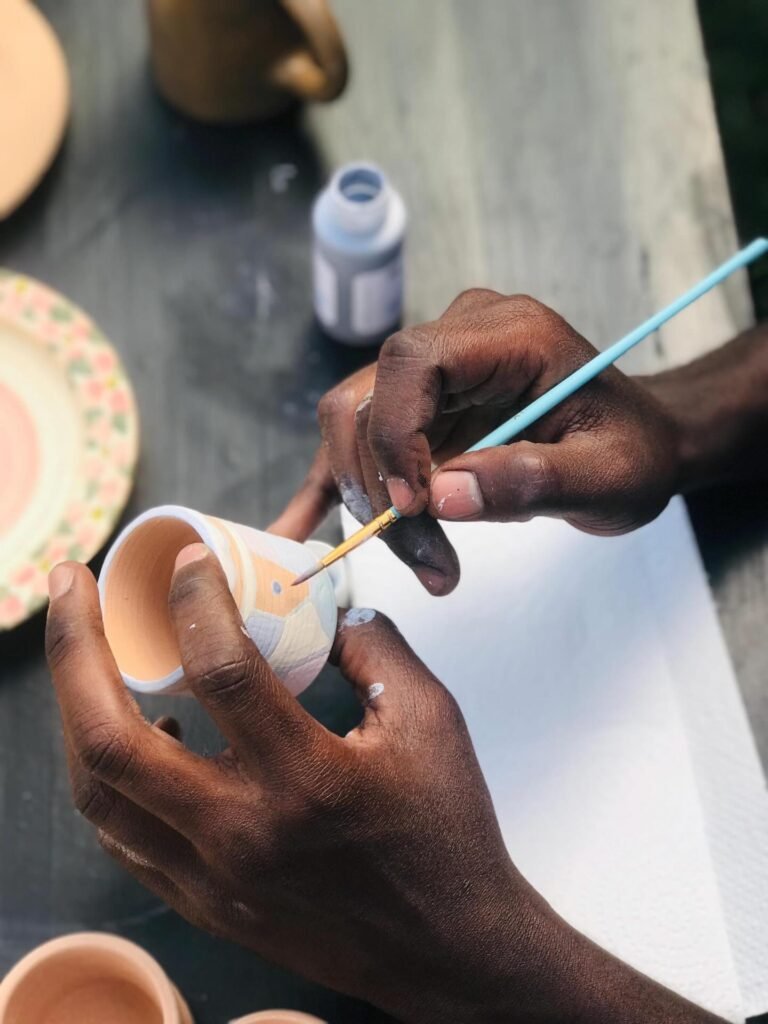
Learning how to apply pottery glaze takes practice. At first, glazing can seem easy. You put glaze on the pot and fire it. In reality, small mistakes can change the final result. Too much glaze can cause runs. Too little glaze can leave weak color. Uneven coats can create patchy surfaces. Glaze on the bottom […]
08
Sep
Sep
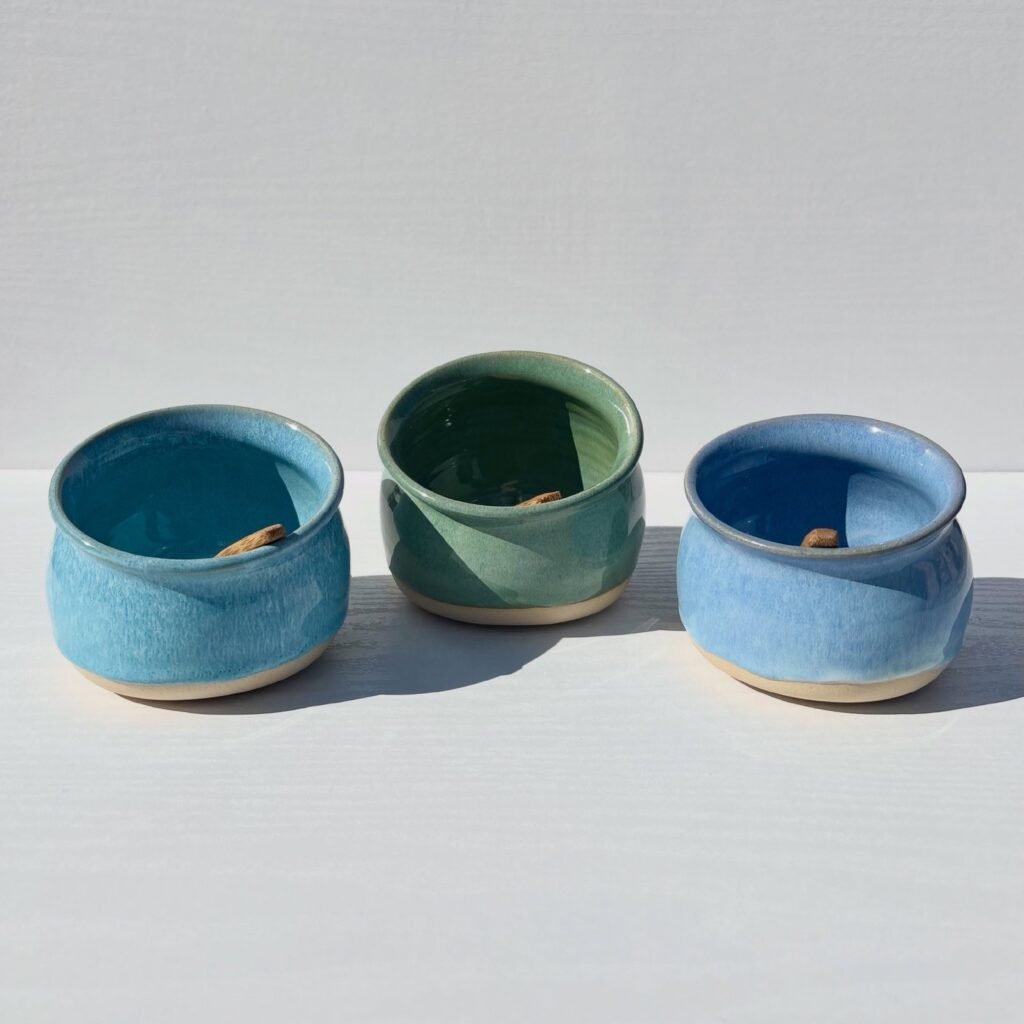
Salt glaze pottery has a distinctive orange-peel surface and handmade character. Learn how salt firing works, what makes the technique different and what potters need to know before trying it.
Reactive glazes are popular because they create variation instead of a perfectly uniform surface. During firing, they can produce flowing colors, pooling, speckling, breaking and other effects that make each ceramic piece look slightly different. That unpredictability is a big part of their appeal. In 2026, ceramic design is increasingly moving toward earthy colors, organic […]
07
Sep
Sep
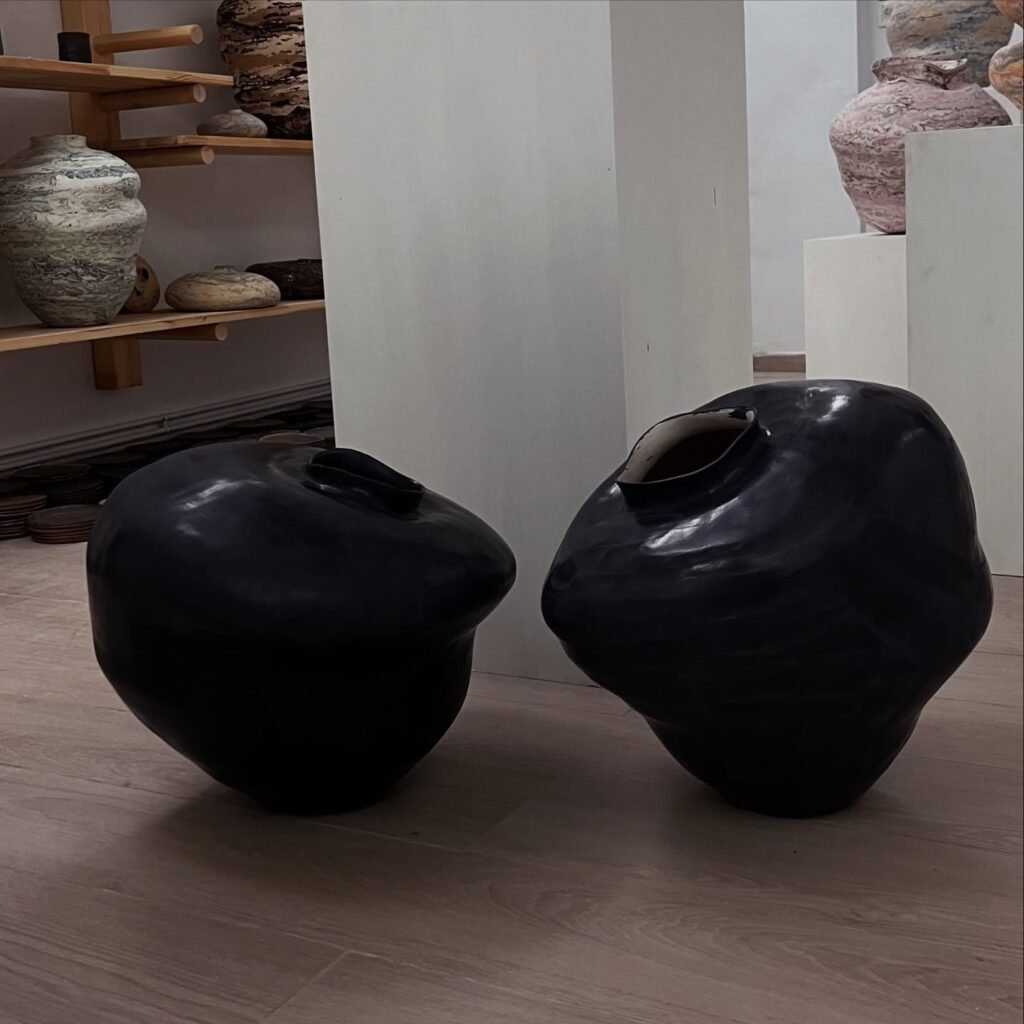
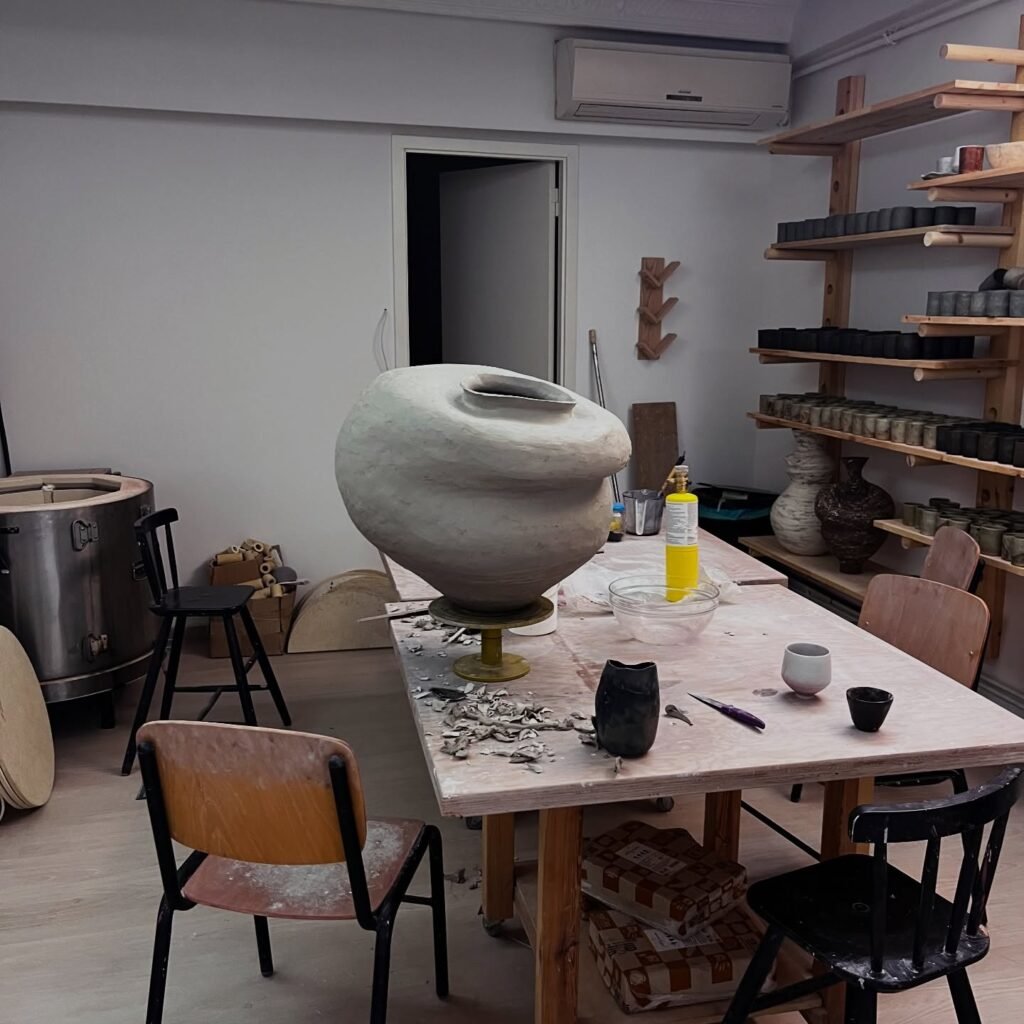
Terra sigillata creates a smooth, refined ceramic surface without relying on traditional glaze. Learn how to apply, burnish, test, and fire it successfully.
07
Sep
Sep
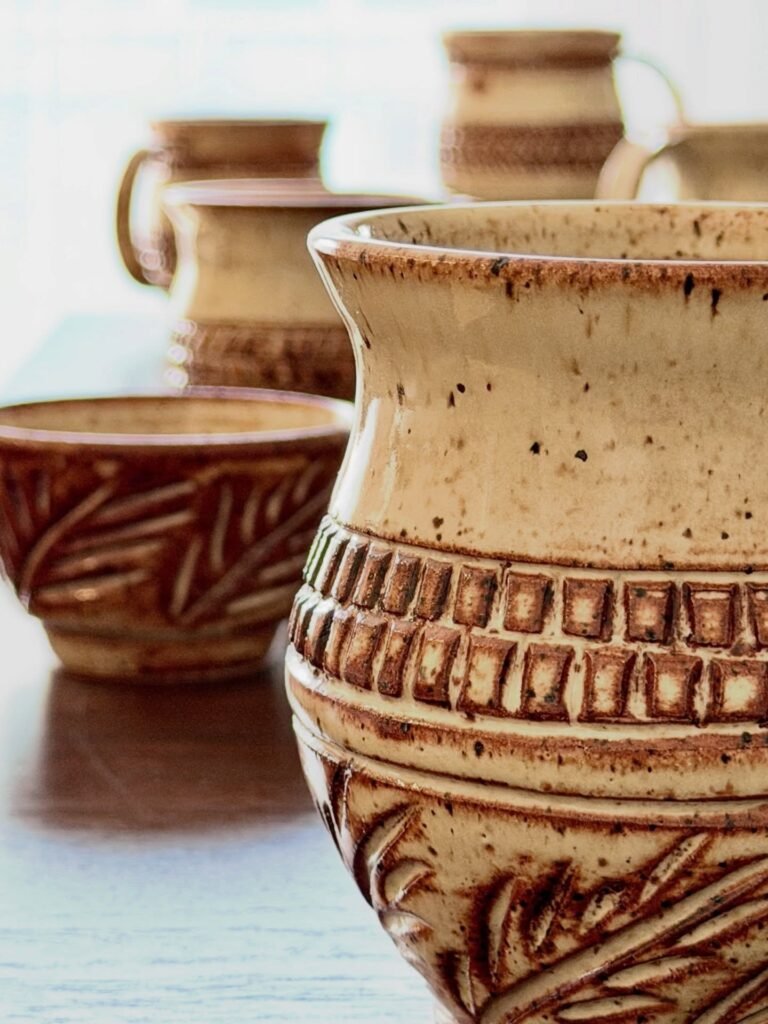
Underglaze on pottery gives you much more control over color, line, and surface decoration than many beginners expect. You can brush it onto greenware or bisqueware, build up several layers, carve through it, and often cover it with a clear glaze before firing. That flexibility makes underglaze useful for both simple pottery projects and highly […]
07
Sep
Sep
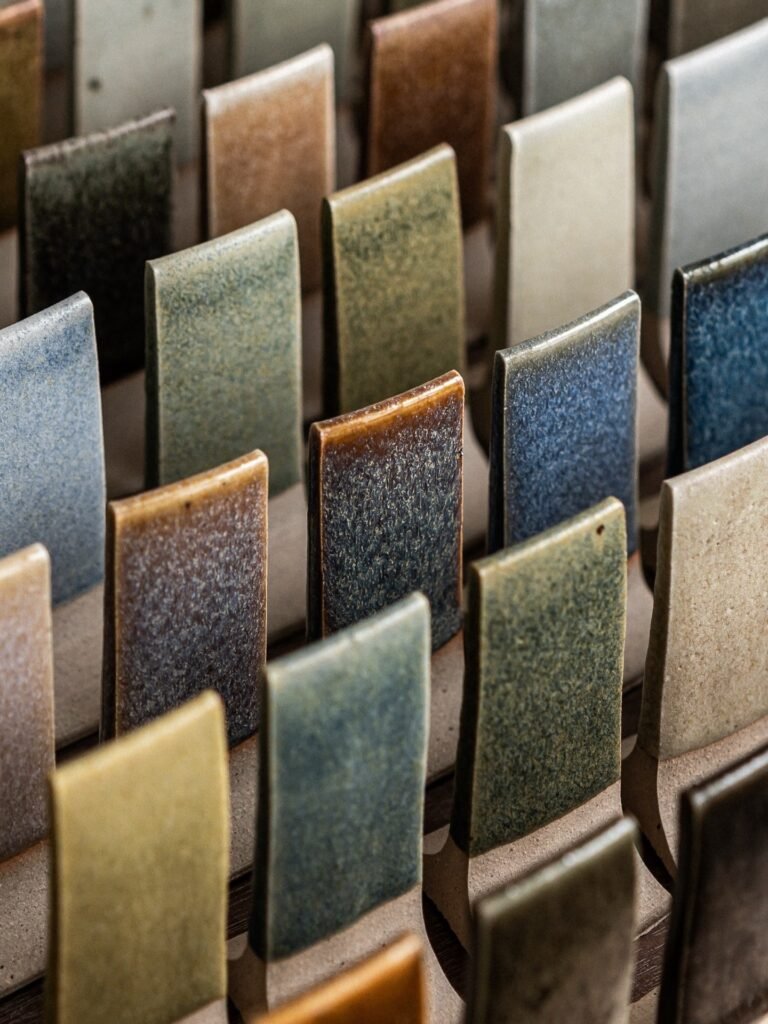
Pottery texture can turn a simple form into something much more distinctive. You can press patterns into wet clay, carve leather-hard surfaces, roll textures into slabs, or build raised details onto a finished form. The best part is that you do not need an advanced studio to start. In fact, many useful texture tools are […]
07
Sep
Sep
If your glaze shelf is already full but your finished pottery is starting to look a little too predictable, pottery glaze layering is one of the easiest ways to create new surfaces without buying an entirely new collection of glazes. Layering two compatible glazes can produce depth, movement, color variation and reactions that neither glaze […]