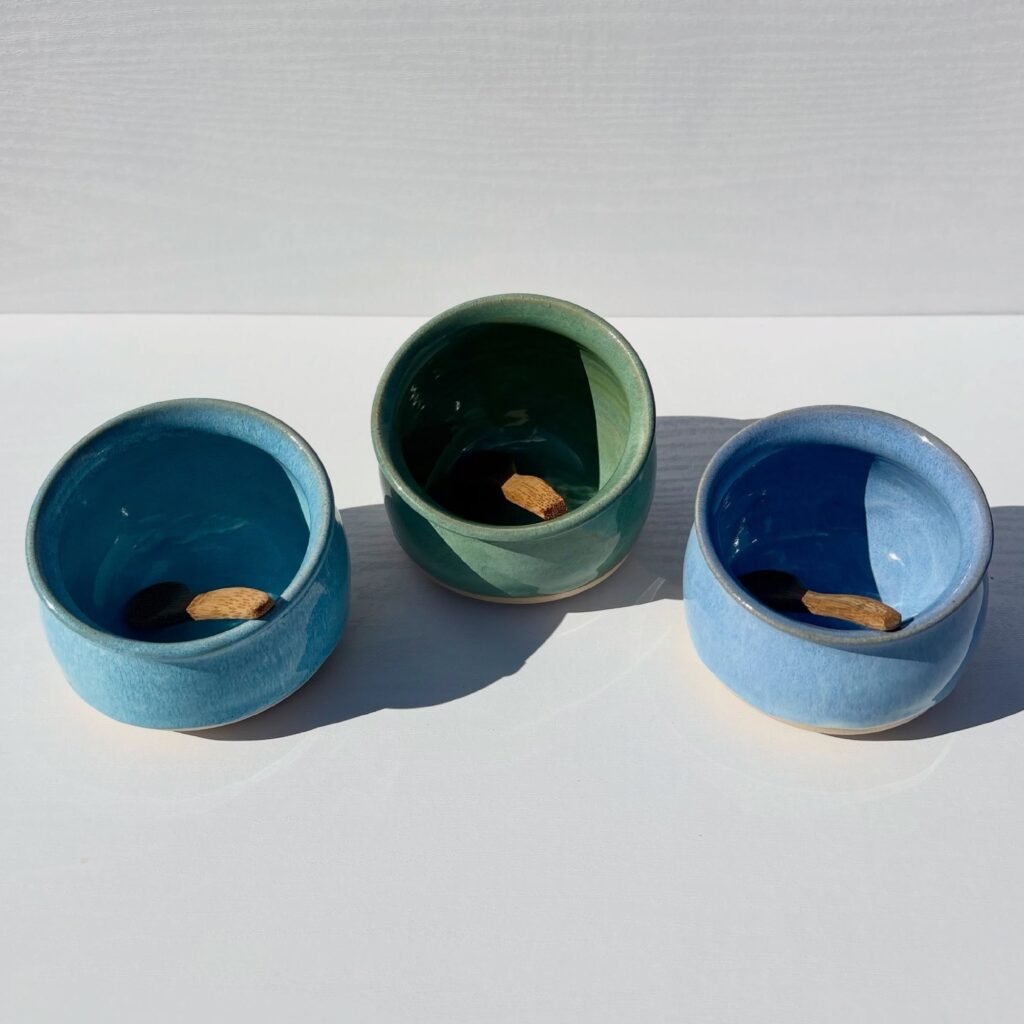
Salt glaze pottery is known for a distinctive textured surface that forms when salt reacts with the hot ceramic ware inside a kiln. The result can range from a subtle orange-peel texture to a glossy, highly varied surface with flashes of color and strong visual depth.
The technique is receiving renewed attention in the United States. Recent U.S. design and collecting coverage has highlighted salt-glazed pottery as an emerging collectible, particularly handmade American stoneware with visible texture and character.
That renewed interest makes sense.
Salt glazing produces something that is difficult to imitate with a perfectly uniform commercial glaze. Each firing can create variation across the surface, so the finished piece retains evidence of the firing process itself.
However, salt glazing is very different from simply brushing glaze onto a pot.
What Is Salt Glaze Pottery?
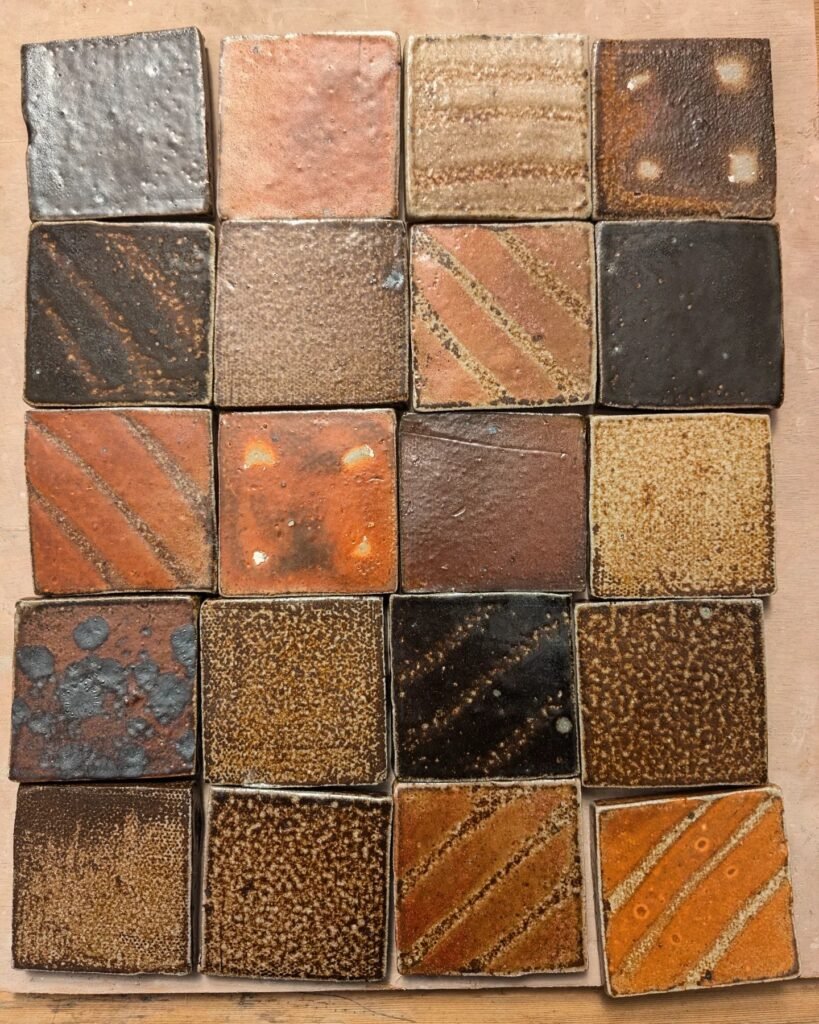
Salt glaze pottery is ceramic ware whose surface develops through the introduction of salt into a hot kiln during firing.
At high temperatures, the salt reacts with components on the surface of the ceramic ware. This creates a thin glassy layer that can develop the characteristic textured appearance associated with salt-glazed pottery.
The surface may look slightly dimpled or orange-peel-like.
It can also become glossy, depending on the clay body, firing conditions and surface treatment.
As a result, two pieces made with similar forms can still emerge from the kiln looking noticeably different.
That variation is one of the technique’s biggest attractions.
How Does Salt Glazing Work?
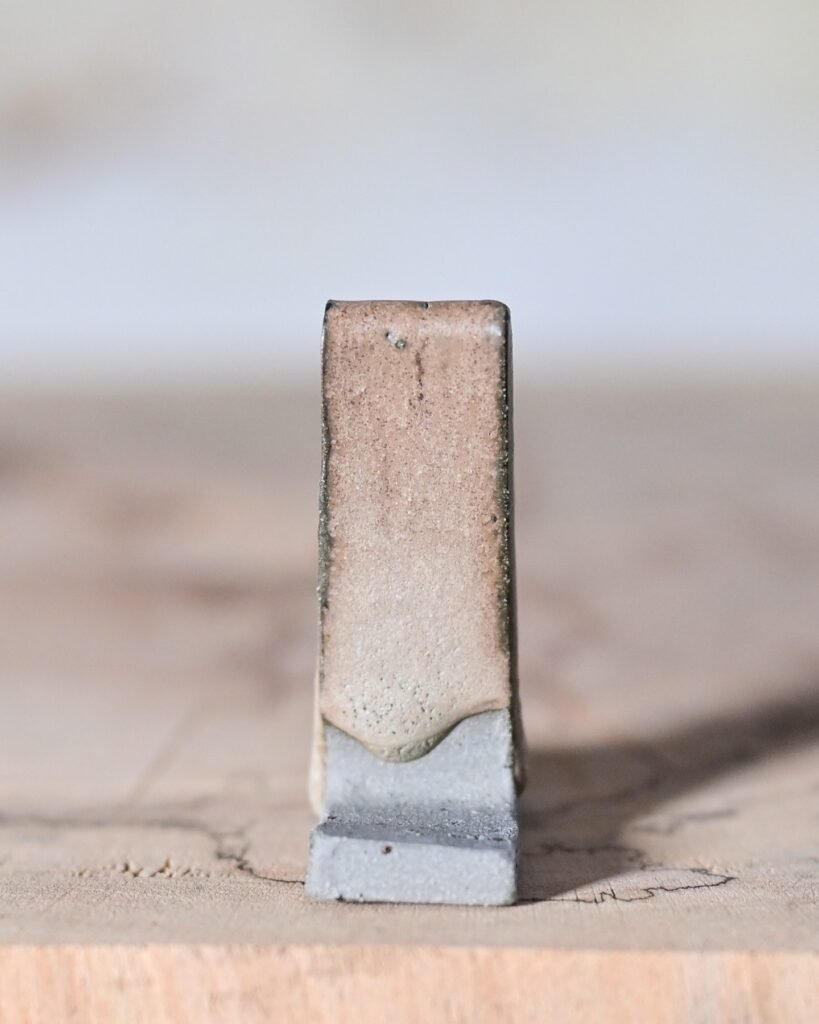
The basic idea is relatively simple.
Potters fire their ware to a high temperature and introduce salt into the kiln during the firing.
The salt vaporizes in the heat.
Then, the resulting sodium compounds interact with silica and alumina at the surface of the pottery.
That reaction creates a glassy surface.
Importantly, the salt itself is not simply sitting on the pot like a conventional glaze.
Instead, the firing atmosphere allows the chemical reaction to occur across exposed ceramic surfaces.
This is why salt glazing is better understood as a firing process than simply another glaze application method.
What Does Salt Glaze Pottery Look Like?
The most recognizable feature is texture.
A salt-glazed surface can have a fine, pebbled appearance that resembles orange peel.
Depending on the clay and firing conditions, the surface can also show variations in color and sheen.
Iron-rich stoneware bodies, for example, can develop warm brown, orange or earthy tones.
Some pieces may also combine natural clay color with contrasting slips or decorative surfaces.
Consequently, salt glazing works particularly well for potters who want a surface that feels organic rather than perfectly controlled.
Why Is Salt Glaze Pottery Becoming Popular Again?
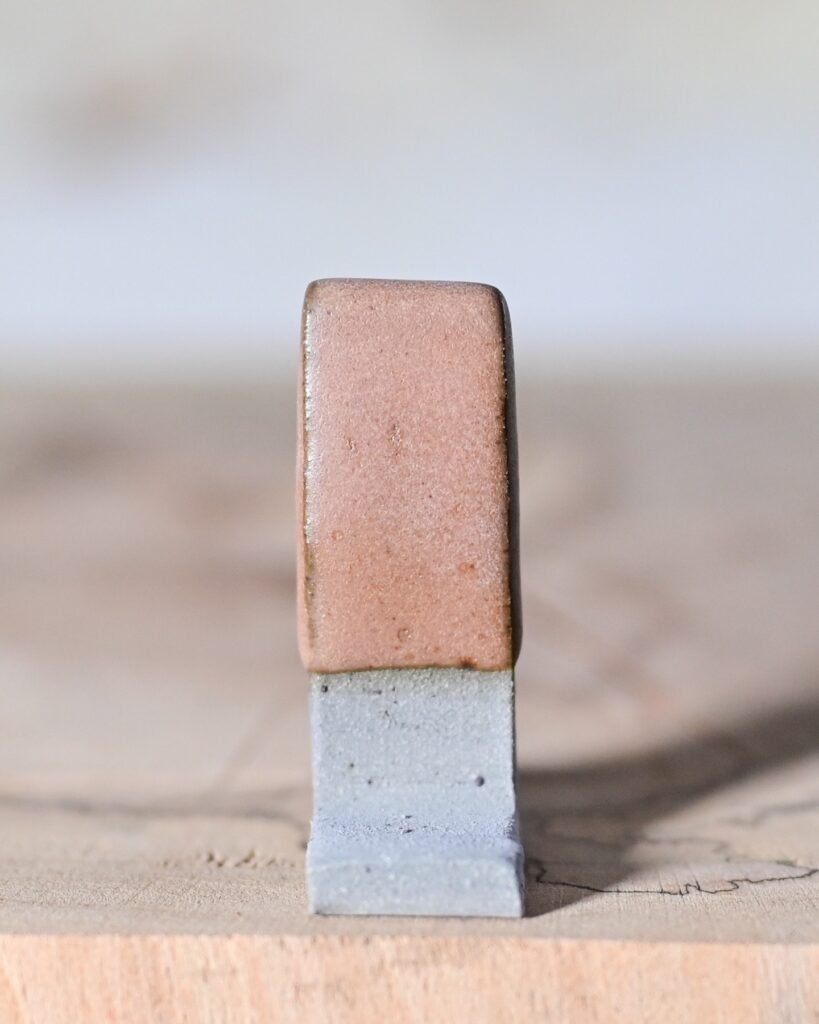
Part of the renewed interest comes from a broader appreciation for handmade ceramics.
American interiors are increasingly incorporating objects that show their material origins rather than looking mass-produced.
Salt-glazed pottery fits that aesthetic extremely well.
Its surface contains variation.
Its firing marks are visible.
Its texture feels physical rather than printed.
Recent U.S. coverage from Southern Living specifically identifies salt-glaze pottery as a potential collectible trend and notes growing appreciation for handmade American and German stoneware in layered interiors.
In other words, the appeal isn’t only among potters.
Collectors and interior designers are also responding to the surface.
Is Salt Glaze the Same as Salt Firing?
The terms are closely related, but context matters.
Salt firing describes the firing process in which salt is introduced into a hot kiln.
Salt glazing describes the resulting surface created by the chemical reaction.
The two terms are therefore often used interchangeably when discussing pottery.
However, the important distinction is that the surface isn’t created by applying a conventional glaze to the pot before firing.
Instead, the firing process itself creates the glaze-like surface.
What Kind of Kiln Is Used?
Salt glazing is traditionally associated with high-temperature firing.
That means the kiln needs to be appropriate for the firing temperature and the specific firing process being used.
Cone 10 is commonly associated with high-fire stoneware, although the exact firing schedule depends on the clay, kiln and process.
The Kiln Depot’s guide to Cone 6 vs. Cone 10 ceramics explains why higher-temperature firing opens up different clay and glaze possibilities. (The Kiln Depot)
For potters considering specialized high-fire techniques, kiln capacity alone isn’t enough.
You also need to consider temperature rating, construction, controls, ventilation and the physical requirements of the firing setup.
Can You Salt Glaze in an Electric Kiln?
This is where beginners need to be particularly careful.
Traditional salt glazing is generally associated with atmospheric firing in kilns specifically designed for the process. Introducing salt into an electric kiln can create corrosive vapors that may damage kiln components.
Therefore, you should not assume that an ordinary electric pottery kiln can simply be converted into a salt kiln.
The kiln manufacturer matters.
The firing method matters.
Ventilation matters.
So does the physical installation.
The Kiln Depot’s home-studio kiln guidance emphasizes that specialized firing methods can require different equipment and ventilation requirements. (The Kiln Depot)
If you’re interested in salt firing, research the complete firing system rather than purchasing a standard electric kiln first and trying to adapt it afterward.
Why Ventilation Matters
Salt firing creates fumes and vapors that must be managed properly.
This is particularly important in enclosed studios.
A home pottery studio already needs good ventilation for routine kiln firing. Specialized atmospheric processes require even more careful planning.
The Kiln Depot’s pottery studio safety guide discusses kiln ventilation and why fumes need to be directed away from occupied studio spaces. (The Kiln Depot)
Therefore, ventilation should be considered part of the kiln setup rather than an optional accessory.
What Clay Works Best With Salt Glazing?
Salt glazing is historically associated with stoneware and other high-fire clay bodies.
However, there isn’t one universal clay body that guarantees a particular result.
Clay composition affects the final surface.
Iron content can influence color.
Surface texture can affect how the salt reaction develops.
Firing temperature and atmosphere matter as well.
For that reason, testing is essential.
Rather than committing an entire kiln load to an unfamiliar clay body, test smaller pieces first.
Record the clay body, firing temperature and other relevant conditions.
That way, you can gradually build a repeatable process.
What Makes Salt Glaze Pottery Different From Regular Glazed Pottery?
The biggest difference is how the surface develops.
With conventional glazing, you generally apply a glaze before firing.
The glaze is already on the piece when it enters the kiln.
With salt glazing, the firing process itself creates the characteristic surface.
That produces a different visual language.
Conventional glazes can provide extremely controlled colors and finishes.
Salt glazing tends to embrace variation.
Neither approach is inherently better.
They simply produce different results.
Is Salt Glazing Difficult?
The basic concept isn’t especially difficult to understand.
The difficult part is controlling the entire firing environment.
You need the right kiln.
You need appropriate ventilation.
You need compatible clay.
You need an appropriate firing temperature.
You also need to understand how the firing atmosphere affects the final surface.
Consequently, salt glazing is generally better suited to potters who already understand basic ceramic firing rather than someone firing their first batch of pottery.
Why Potters Still Love the Technique
Salt glazing has survived because it produces something difficult to manufacture artificially.
The surface feels alive.
Texture changes across the vessel.
Color can vary.
The firing leaves its mark.
That unpredictability gives each piece a stronger sense of individuality.
For contemporary potters, that can be more valuable than perfect uniformity.
In fact, that quality is one reason salt-glazed American stoneware is attracting renewed attention among collectors and designers. (Southern Living)
Should You Try Salt Glazing?
If you’re a beginner, start by learning about the process rather than immediately attempting it in a home electric kiln.
Visit a studio that already offers salt firing if possible.
Talk to experienced potters.
Study the kiln requirements.
Then decide whether the technique fits your studio, budget and goals.
If you eventually build a setup for high-fire work, make sure the kiln is appropriate for the firing method rather than choosing one based solely on temperature rating.
The Kiln Depot’s Cone 10 kiln selection includes equipment rated to Cone 10, although a kiln’s temperature rating alone does not make it suitable for salt firing. (The Kiln Depot)
That distinction is important.
Frequently Asked Questions
What is salt glaze pottery?
Salt glaze pottery is ceramic ware whose characteristic surface develops when salt is introduced into a hot kiln and reacts with the ceramic surface.
Why does salt glaze pottery have a textured surface?
The chemical reaction between sodium compounds and the ceramic surface can create a thin glassy layer with a distinctive textured or orange-peel appearance.
What temperature is salt glaze pottery fired at?
Salt glazing is generally associated with high-fire ceramic processes, often around the Cone 10 range. The correct temperature depends on the clay and firing process.
Can you use salt in an electric kiln?
You should not assume that a standard electric kiln is suitable for salt firing. Salt vapors can damage kiln components, and specialized firing requires appropriate equipment and ventilation.
Is salt glaze pottery safe?
Properly fired ceramic ware can be suitable for functional use when the clay, surface and firing process are appropriate. However, food-safety suitability should be evaluated for the specific clay and surface system rather than assumed from the term “salt glaze.”
Why is salt glaze pottery popular?
Collectors and potters appreciate its distinctive texture, natural variation and visible connection to the firing process. Recent U.S. design coverage has also highlighted renewed interest in handmade salt-glazed stoneware. (Southern Living)
Final Thoughts
Salt glaze pottery is a good example of why ceramics never really stop evolving.
The technique is centuries old, yet its surfaces fit surprisingly well with today’s interest in handmade objects, natural variation and material authenticity.
For potters, the attraction goes even deeper.
Salt glazing makes the firing itself part of the decoration.
Instead of simply applying a finish and hoping for consistency, you work with heat, atmosphere, clay and chemistry to create the final surface.
That process requires more planning than ordinary electric kiln firing.
However, the result can be remarkably distinctive.
And that may explain why salt-glazed pottery is once again attracting attention in the United States.
The surface doesn’t hide how it was made.
It shows it.
