A mini pottery wheel can be an appealing way to practice pottery at home when space, budget or portability matters. However, smaller does not automatically mean better.
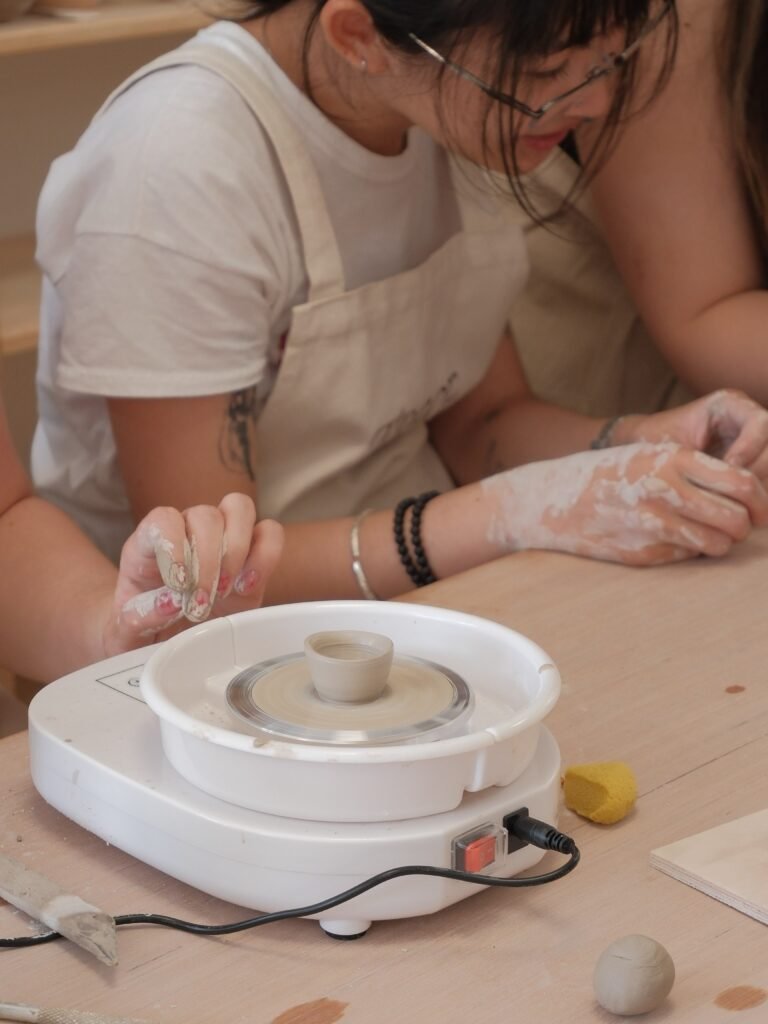
For American hobby potters, the real question is whether a compact wheel fits the kind of pottery you actually want to make.
Current U.S. search-market data shows growing interest in mini pottery wheels. One recent U.S. market analysis estimates roughly 199,000 annual searches for the term and reports 12.2% growth over the previous 90 days. Meanwhile, the broader pottery-wheel market remains much larger, with about 1.8 million annual searches in the same U.S. dataset. (Flapen)
That combination suggests something important: people are interested in smaller wheels, but they still need help deciding whether one is practical.
What Is a Mini Pottery Wheel?
A mini pottery wheel is a smaller version of a conventional electric pottery wheel.
Depending on the design, it may have a smaller wheel head, lower weight, a more compact body or a tabletop configuration.
Because of that smaller footprint, these wheels can work well for people who cannot dedicate an entire room to pottery.
For example, a compact wheel may fit on a sturdy worktable in a spare room, craft room or other small workspace.
Some models can also be easier to store when you aren’t throwing.
However, there is an important tradeoff.
A smaller wheel generally gives you less working space and may have less capacity for larger amounts of clay than a full-size studio wheel.
Therefore, the right choice depends heavily on what you plan to make.
Why Are Mini Pottery Wheels Becoming More Popular?
One reason is simple: not everyone has a dedicated pottery studio.
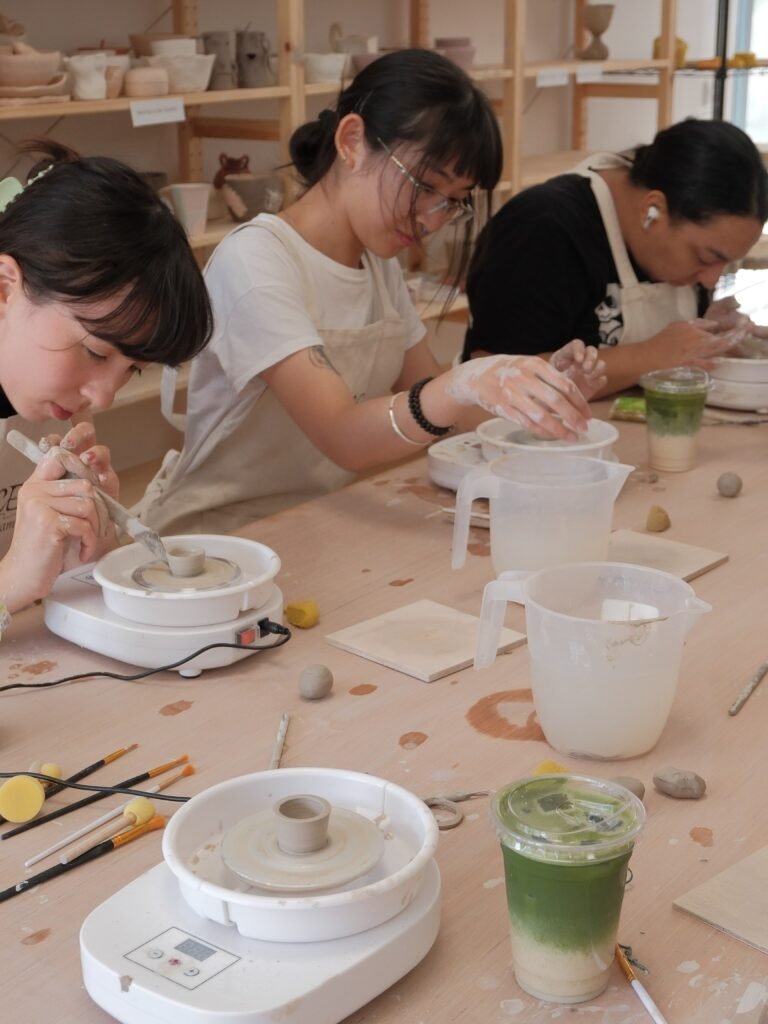
Many American hobbyists are practicing pottery in spare bedrooms, garages, basements and multipurpose craft rooms.
Consequently, equipment that takes up less space can be much easier to live with.
Cost also matters.
Someone who is curious about pottery may not want to spend more than necessary before knowing whether the hobby will become a long-term commitment.
A smaller wheel can appear less intimidating both financially and physically.
That makes it particularly attractive to beginners and casual hobbyists.
However, lower upfront cost should not be the only consideration.
If you quickly outgrow the wheel, buying a second machine later may cost more than choosing a capable full-size wheel from the beginning.
Who Should Consider a Mini Pottery Wheel?
A compact wheel can make sense for several types of potters.
Adults with limited space
If you live in a small apartment, townhouse or compact home, every square foot matters.
A smaller machine can make it easier to create a pottery station without permanently dedicating an entire room.
Hobbyists making small pieces
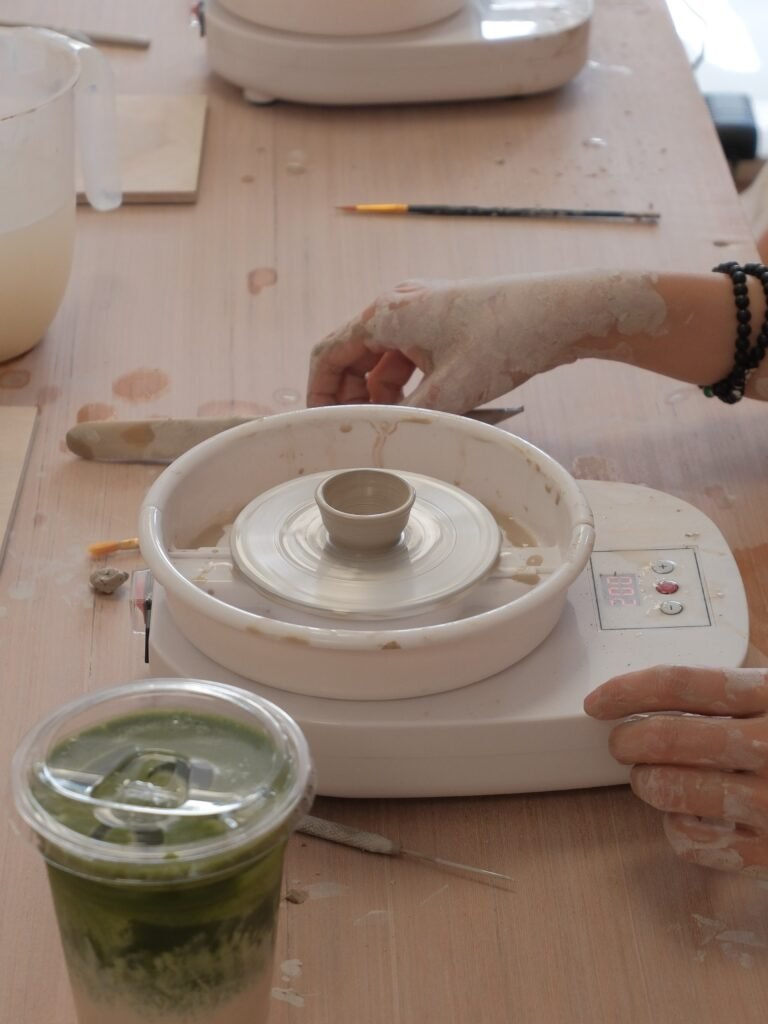
Mini wheels can be useful when your projects stay relatively small.
Think small cups, pinch-pot combinations, miniature vessels, ornaments and other lightweight forms.
However, always check the manufacturer’s specifications before assuming a particular wheel can handle a specific amount of clay.
Beginners testing pottery
A compact wheel can also make sense if you’re still deciding whether wheel throwing is something you want to pursue.
Instead of immediately building a complete studio, you can start with a smaller setup and expand later.
That approach can reduce your initial commitment.
Potters who need portability
Finally, portability can matter.
A lighter wheel is easier to move between workspaces than a heavy professional machine.
That can be useful if your pottery area also serves another purpose.
When Is a Mini Wheel the Wrong Choice?
A small wheel isn’t automatically the right choice just because you’re a beginner.
In fact, there are situations where a full-size wheel makes much more sense.
If you want to throw large bowls, pitchers, planters or tall vessels, capacity becomes important.
Likewise, if you plan to practice frequently, stability matters more.
A heavier full-size wheel can provide a more substantial working platform, especially when centering larger amounts of clay.
Therefore, think about where you want your pottery skills to be six months or a year from now.
Buying only for today’s projects can leave you with equipment that limits your progress.
Mini vs. Full-Size Pottery Wheels
| Feature | Mini pottery wheel | Full-size pottery wheel |
| Footprint | Smaller | Larger |
| Storage | Easier | More difficult |
| Portability | Usually easier | Usually harder |
| Small projects | Well suited | Well suited |
| Large projects | More limited | Better suited |
| Studio use | Depends on model | Generally better |
| Long-term versatility | Model dependent | Usually higher |
The key point is that neither category is automatically superior.
Instead, each one solves a different problem.
What Should Adults Check Before Buying?
Before purchasing a mini pottery wheel, look beyond the size.
Wheel-head size
A small wheel head may be perfectly adequate for small forms.
However, it can feel restrictive if you eventually start making wider vessels.
Therefore, compare the actual wheel-head dimensions with the pieces you want to make.
Clay capacity
This is one of the most important specifications.
Don’t judge capacity by appearance alone.
Check the manufacturer’s stated centering or clay capacity, and consider how much clay you realistically expect to use.
Motor and torque
A compact motor can work well for smaller pieces.
However, throwing larger amounts of clay requires more torque.
If your goal is to eventually make larger stoneware forms, don’t choose a machine solely because it is inexpensive or easy to store.
Speed control
Smooth speed control is important regardless of wheel size.
You need enough control to center clay, pull walls and finish the rim without constantly fighting the machine.
The Kiln Depot already has a detailed guide explaining what pottery-wheel speed settings actually do, which is useful if you’re comparing different wheel designs. (The Kiln Depot)
Stability
A wheel that moves across the table while you’re centering clay will become frustrating quickly.
Therefore, consider the weight of the machine, how it sits on the work surface and whether the surface itself is sturdy enough.
What About Noise?
Noise becomes especially important when you’re throwing at home.
If your pottery area is next to a bedroom, shared wall or living space, a quieter machine can make regular practice easier.
However, don’t assume every compact wheel is automatically quiet.
Motor design, construction and vibration all matter.
The Kiln Depot already covers the Shimpo VL-Whisper’s quiet operation, as well as the difference between direct-drive and belt-drive pottery wheels. (The Kiln Depot)
Those articles are worth reading if noise is one of your main concerns.
Is a Mini Pottery Wheel Good for Adults?
Yes, provided your expectations match the machine.
A mini wheel isn’t only a children’s tool or a novelty.
Adults can use compact wheels for genuine pottery practice, particularly when they work within the machine’s intended capacity.
However, the phrase “mini pottery wheel” covers a wide range of products.
Some are serious compact machines.
Others are designed primarily as inexpensive introductory products.
Therefore, look at specifications rather than relying on photographs or marketing language.
Mini Wheel or Full-Size Wheel: Which Should You Buy?
Use a mini pottery wheel if space, portability or a lower initial commitment is your main concern.
Choose a full-size wheel if capacity, stability and long-term versatility matter more.
If you already know you want to throw regularly and eventually make larger pieces, a quality full-size wheel can be the smarter investment.
On the other hand, if you’re working in a small U.S. apartment or multipurpose room and mainly want to make small pottery, compact equipment may fit your lifestyle much better.
The Kiln Depot’s pottery-wheel collection gives you a broader selection to compare when you’re ready to move beyond the mini-wheel question. (The Kiln Depot)
Start Small Without Thinking Small
A small pottery wheel can be a perfectly legitimate way to start practicing ceramics.
The important thing is to understand its limitations before buying.
Think about the pieces you want to make.
Consider how often you’ll throw.
Measure your available workspace.
Then compare capacity, speed control, stability and noise alongside price.
Most importantly, don’t buy a machine simply because it is the smallest or cheapest option available.
The best pottery wheel is the one that gives you enough capability to enjoy the work now while leaving reasonable room for your skills to grow.
Frequently Asked Questions
Can adults use a mini pottery wheel?
Yes. Adults can use compact wheels for genuine pottery practice, particularly when making smaller forms and working within the manufacturer’s clay-capacity limits.
Is a mini pottery wheel good for beginners?
It can be. A compact wheel may be easier to accommodate in a home and can reduce the initial commitment. However, beginners who expect to make larger pieces may benefit from starting with a full-size wheel.
Can you make mugs on a mini pottery wheel?
Potentially, yes. The important factors are the wheel’s clay capacity, wheel-head size and stability. Check the specifications of the particular model before purchasing.
Are mini pottery wheels portable?
Many compact models are easier to move than full-size studio wheels. However, portability varies considerably, so check the machine’s actual weight and dimensions.
Should I buy a mini or full-size pottery wheel?
Choose a mini wheel when space and portability are major concerns. Choose a full-size wheel when you want greater capacity, stability and long-term versatility.
Final Thoughts
The growing U.S. interest in mini pottery wheels makes sense.
More people want to practice creative hobbies at home, yet not everyone has the space for a dedicated ceramic studio.
A compact wheel can solve that problem.
Still, size should never be the only deciding factor.
Look at clay capacity, wheel-head size, speed control, stability and noise. Then think honestly about the kind of pottery you expect to make.
If small vessels are your goal, a mini wheel may be exactly what you need.
If you already see yourself throwing large bowls, pitchers and production batches, however, a full-size wheel will probably serve you better.
In either case, buy for the pottery you actually want to make, not simply for the smallest footprint or lowest price.
