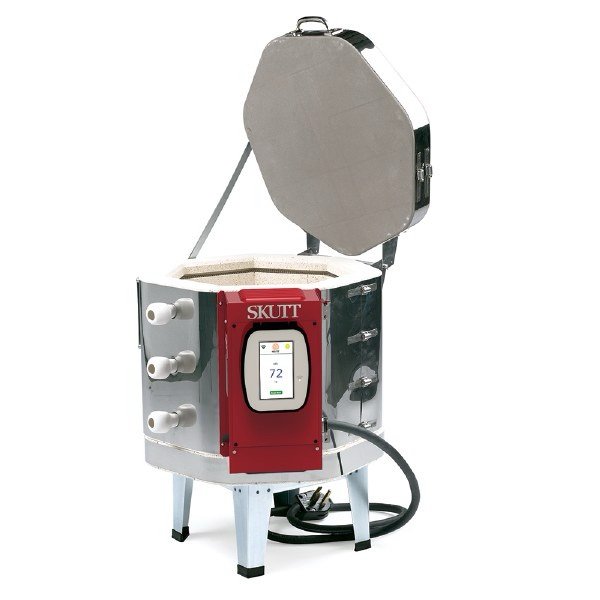
Earthenware vs stoneware comes down to firing range, durability, glaze and what your kiln can reach. Here is how to choose the right clay for your studio.
Category Archives: Kilns
11
Oct
Oct
Cone 6 vs cone 10 explained: firing temperatures, clay and glaze choices, kiln wear and cost, so you can pick the right firing range for your studio.
29
Sep
Sep
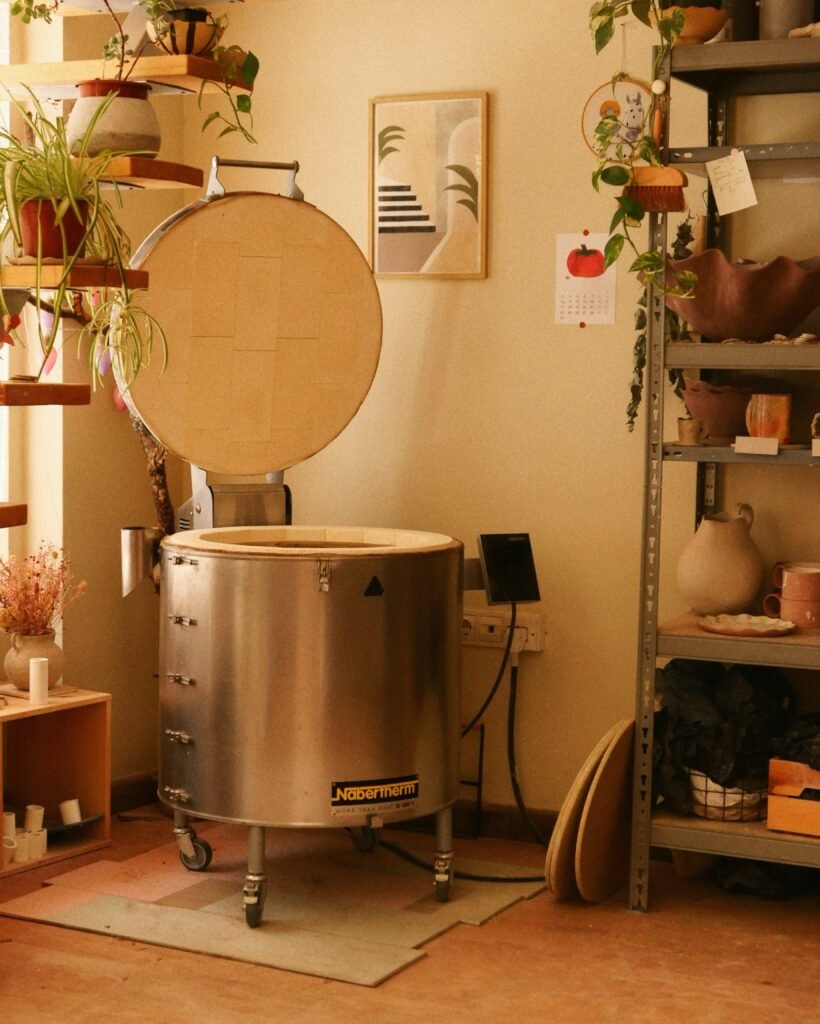
A damaged kiln floor does not automatically mean your pottery kiln is finished. Small chips, holes, cracks, and glaze damage can sometimes be repaired without replacing the entire floor. In other cases, the damage is significant enough that replacing the floor is the safer and more practical option. The important part is knowing the difference. […]
A kiln peephole is a small opening in the wall of an electric kiln that lets you look into the firing chamber and, depending on the kiln and ventilation setup, helps manage gases and moisture during firing. It is a small feature, but it has several jobs. You can use a kiln peephole to observe […]
25
Sep
Sep
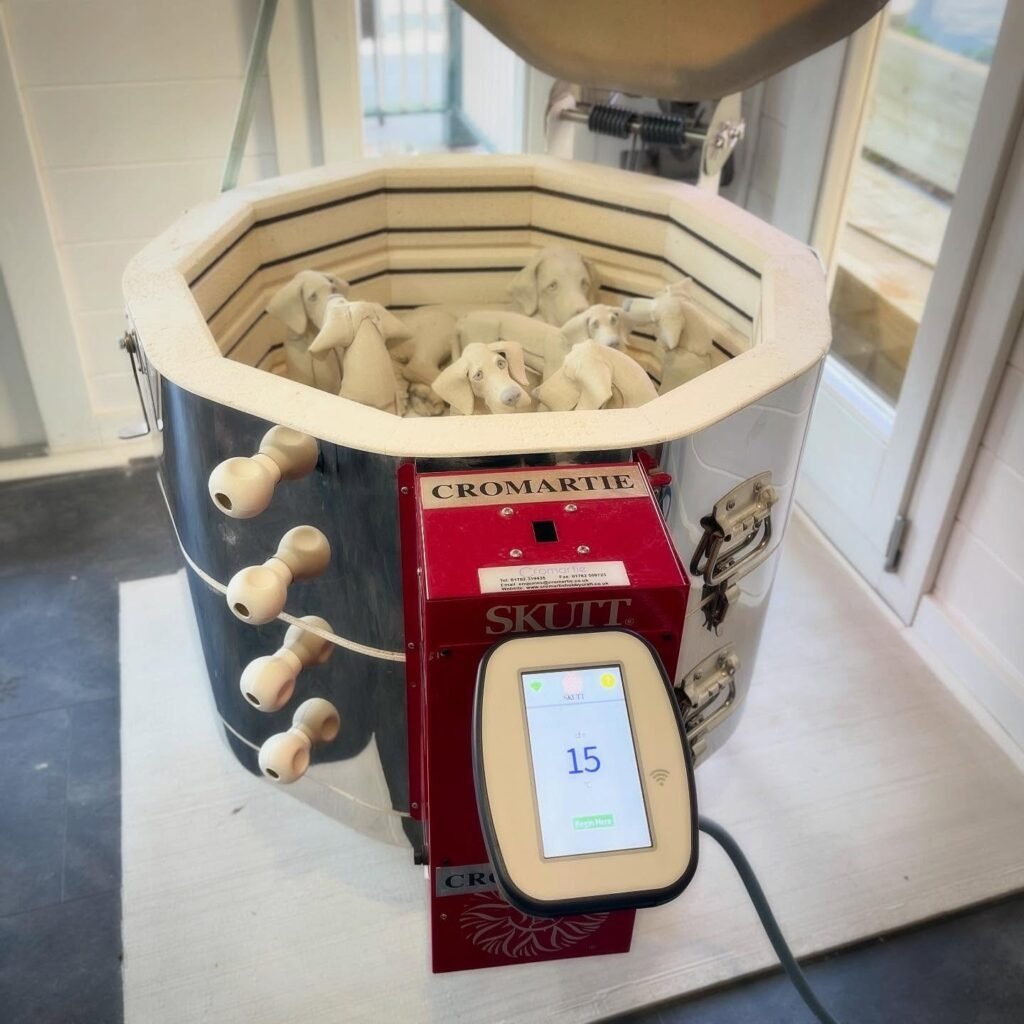
Kiln brick repair is often much simpler than replacing an entire kiln wall. Small cracks, chips, holes, and gouges in insulating firebrick can often be patched, while badly damaged bricks may need to be replaced. The important part is knowing the difference before you fire again. A kiln is not supposed to look perfect forever. […]
24
Sep
Sep
Kiln wash is one of the cheapest things you can put in a pottery studio, but it protects one of the more expensive pieces of kiln furniture you own: your kiln shelves. Its main job is simple. If glaze runs off a pot during firing, kiln wash creates a refractory barrier between the glaze and […]
23
Sep
Sep
Kiln shelf spacing looks like a small detail until you start getting uneven firing, crowded shelves, tall pieces that will not fit, or pottery sitting too close to the elements. The basic idea is simple: kiln shelves are separated by refractory posts, and the height of those posts determines how much vertical space each firing […]
23
Sep
Sep
Choosing the right pottery kiln size comes down to three things: the size of your work, how much pottery you fire at once, and how often you fire. Buy too small and you may spend your time running half-empty firing cycles because your work no longer fits. Buy too large and you can end up […]
The best pottery wheel for small studio spaces is not necessarily the smallest wheel you can buy. In a compact studio, the right machine needs to balance footprint, stability, throwing capacity, noise, storage, cleanup, and the amount of clay you actually work with. A wheel that saves 12 inches of floor space but struggles under […]