Setting up a pottery studio at home sounds simple until you start looking at pottery wheels. Suddenly you’re comparing motor power, wheelhead size, noise, torque, dimensions, price, and whether the machine will actually fit in your space. The good news is that you don’t need a commercial pottery studio to own a serious wheel. You […]
Tag Archives: buying guide
A used slab roller can save you hundreds or even thousands of dollars when you’re building a pottery studio. That makes the secondhand market worth checking before you buy a new pottery slab roller. But slab rollers are heavy machines, and the wrong purchase can create expensive transportation, repair, and storage problems. The good news […]
05
Sep
Sep
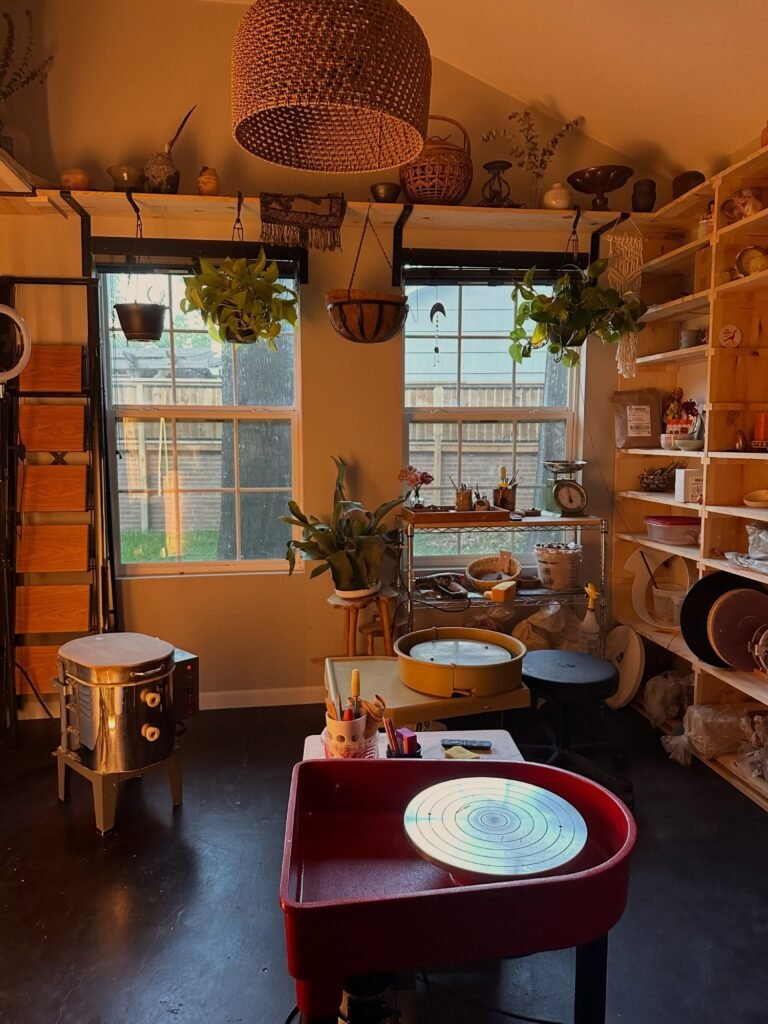
A basic home pottery studio still costs $500 to $1,000 for a simple wheel and hand tools. A more complete setup, with a real wheel and your own kiln, runs $1,500 to $4,000. Community studio membership is the cheapest way to try pottery first, often just $40 to $80 a month. The real cost decision […]
Finishing a local pottery class often leaves people wanting more. Not everyone wants to keep paying for studio time or waiting for the next session to open up. If you searched for a pottery class near you, loved it, and now want your own setup, you’re not alone. This is one of the most common […]
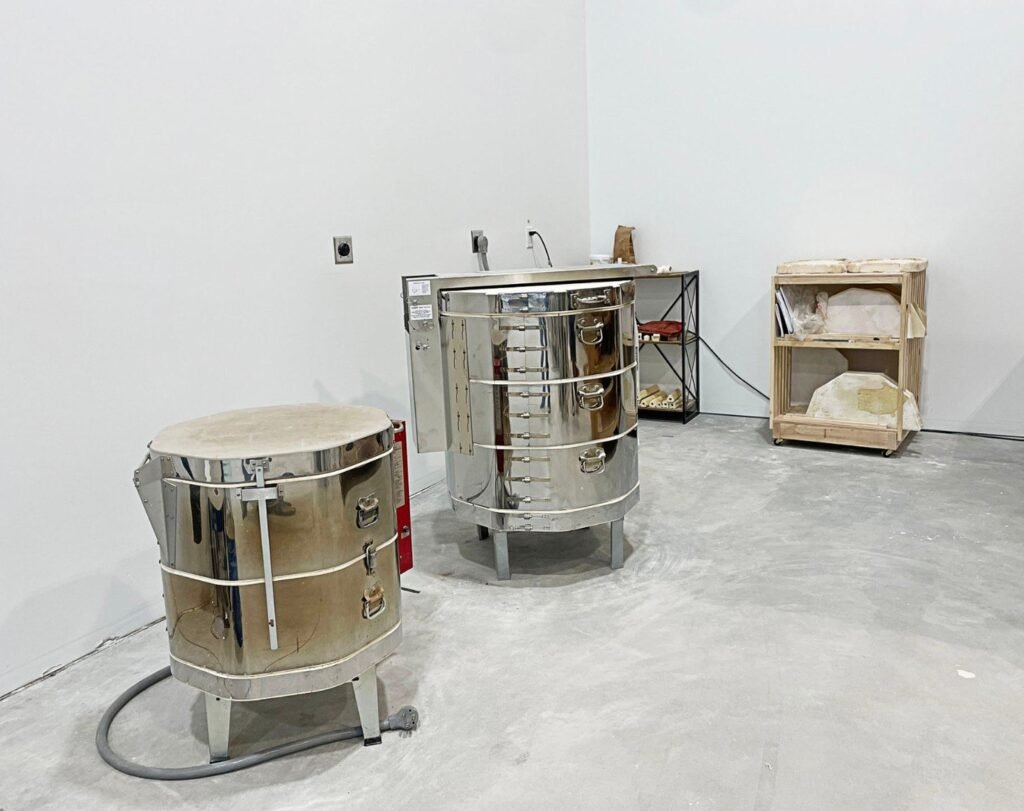
3-inch brick vs 2.5-inch brick comes down to real insulation and energy savings, not just marketing language. Skutt’s own guidance confirms 3-inch brick delivers roughly 15% better energy efficiency on average. On some models, it even raises the kiln’s max cone rating. This isn’t a cosmetic upgrade. It changes real performance. This guide covers what […]
Kiln elements typically last 1 to 5 years, or roughly 100 to 200 firings, before needing replacement. The exact lifespan depends heavily on firing temperature and frequency. A real documented example on a Skutt 818 shows elements lasting close to 1,000 firings. A full replacement on that model ran around $750, including labor. Higher-fire, more […]
30
Aug
Aug
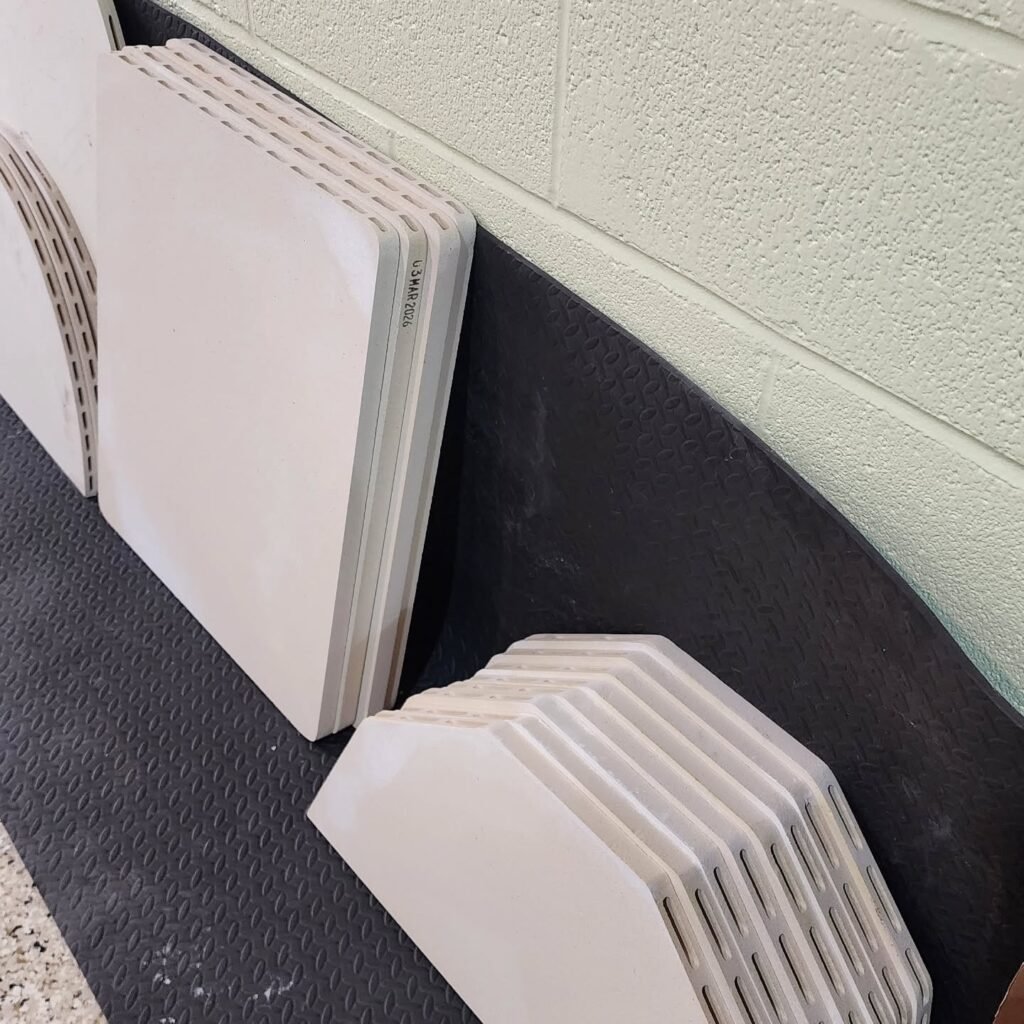
Kilns rarely ship with shelves and posts included. See exactly what kiln furniture you need and how to find the right kit.
29
Aug
Aug
Push-button or touchscreen — is the KMT upgrade worth it? See the real differences before you decide, plus a retrofit option.
29
Aug
Aug
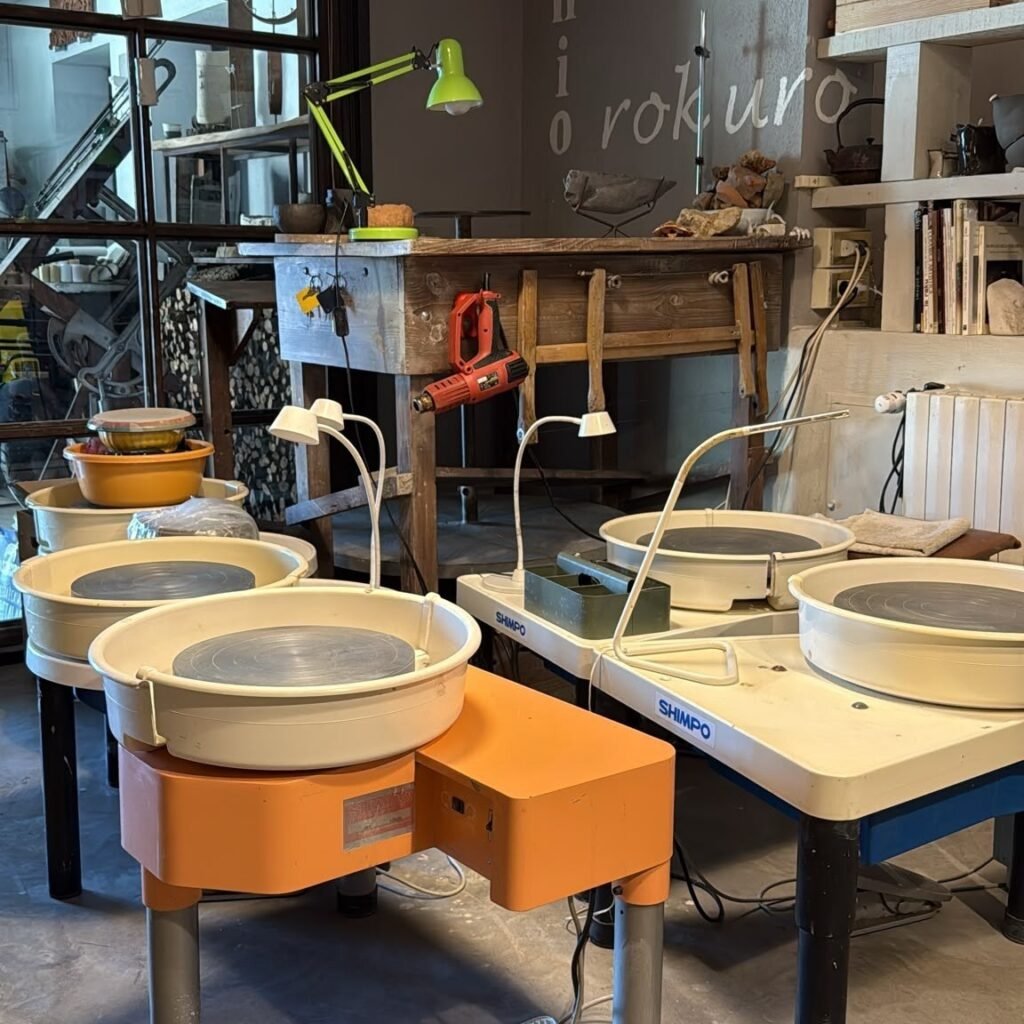
Brent, Shimpo, or Speedball? See the real differences in drive system, noise, and price before you choose a brand.
29
Aug
Aug
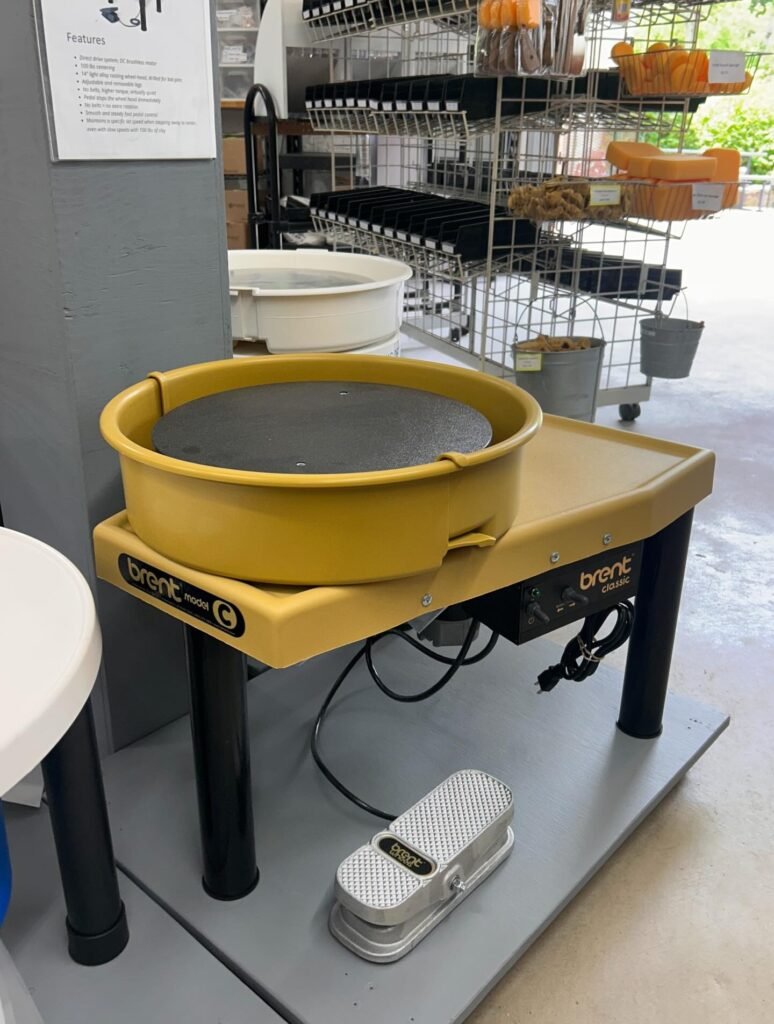
Real answers to the most common questions about the Brent C — motor power, capacity, and why it’s a favorite in schools and studios.
- 1
- 2