Pottery kiln maintenance protects far more than the kiln itself. A consistent care routine helps prevent failed firings, damaged ware, premature element wear, unsafe electrical conditions, and expensive downtime.
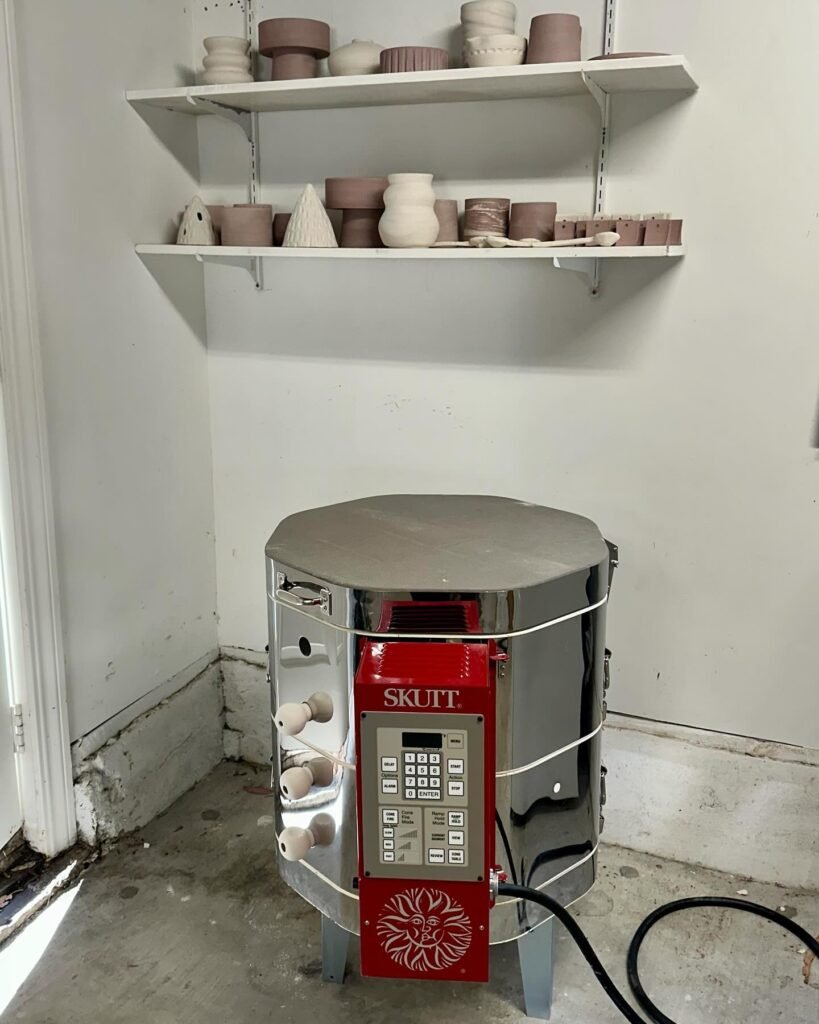
Electric kilns are durable, but they work in extreme conditions. They repeatedly heat to ceramic temperatures, cool, expand, contract, and carry heavy loads. Small issues—a loose screw, debris in an element groove, a bent thermocouple, deteriorating brick, or a failing relay—can become costly when ignored.
[Hero Image — ALT: Pottery kiln maintenance checklist beside an electric kiln, vacuum, witness cones, and kiln shelves]
Executive Summary
A reliable pottery kiln maintenance routine is simple: inspect the kiln regularly, clean it carefully, document firing results, protect the elements and brick, and address problems before they turn into a failed load.
The best maintenance plan has three levels:
- Quick checks before every firing
- Routine cleaning and inspection every few firings
- A thorough annual inspection and service plan
Not every repair is a do-it-yourself job. Basic cleaning, visual inspection, shelf care, and recordkeeping are appropriate for most kiln owners. Electrical diagnosis, live-voltage testing, unfamiliar wiring work, major brick repair, and complex controller issues should be handled by a qualified kiln technician or licensed electrician.
Quick Answer

What does pottery kiln maintenance include? It includes cleaning clay and glaze debris from the kiln, inspecting brick and elements, checking the thermocouple, monitoring witness cones, caring for shelves and posts, recording firing results, and arranging qualified service when electrical or performance issues appear.
The most important habit is to notice change. If firings take longer, cones bend differently, a controller shows errors, elements sag, or cords become discolored, stop treating the kiln as routine equipment and investigate.
Key Takeaways
- Pottery kiln maintenance should be scheduled, not performed only after a failure.
- Vacuuming debris from the kiln helps protect elements and improve firing reliability.
- Witness cones reveal heatwork changes that a controller display may not show.
- A damaged element groove or sagging element needs prompt attention.
- Kiln brick should not be judged by cosmetics alone; damage around element grooves and structural areas matters most.
- Keep power cords away from hot kiln surfaces and never use an extension cord unless the manufacturer explicitly permits it.
- Kiln shelves, posts, and kiln wash require routine care too.
- A firing log makes maintenance decisions more accurate and less expensive.
Table of Contents
- Why pottery kiln maintenance matters
- Before-every-firing checklist
- Monthly and seasonal kiln care
- Elements, brick, thermocouples, and controllers
- Kiln furniture maintenance
- The 12 ways to prevent firing failures
- What not to repair yourself
- Maintenance costs and ownership planning
- Frequently asked questions
Why Pottery Kiln Maintenance Matters

A kiln can appear to work normally while performance is slowly changing. It may take longer to fire, struggle near peak temperature, fire hotter or cooler than expected, or develop uneven heatwork between shelves.
That is why pottery kiln maintenance is not limited to visible damage.
A well-maintained kiln delivers more predictable firings. It also helps you plan replacement parts instead of discovering a problem after a critical load fails.
Skutt’s maintenance guidance recommends regular inspection and recordkeeping. That approach makes sense for every electric kiln brand: inspect before problems become emergencies.
Before Every Firing: The Five-Minute Checklist
Use this fast pottery kiln maintenance inspection before every firing.
1. Check the Kiln Area
Make sure the kiln has the manufacturer-required clearance. Remove boxes, plastic, paper, tools, furniture, and anything combustible from the area.
Do not store clay bags, glaze containers, shelving, or finished work against the kiln.
2. Check the Cord, Plug, and Receptacle
Look for discoloration, melting, cracking, fraying, looseness, or signs of heat damage. Confirm that the cord hangs freely and does not touch the kiln body.
If you see damage, do not fire the kiln until a qualified professional inspects the issue.
3. Look Inside the Kiln
Check for:
- Loose clay or glaze debris
- Broken shelf fragments
- Elements sagging from grooves
- Damaged brick around element channels
- A bent or damaged thermocouple
- Missing peep plugs
- Unusual cracks or movement
4. Check Shelves and Posts
Confirm that shelves are stable, posts are straight, and kiln furniture is free of major cracks or damage. Reapply kiln wash when needed before loading glazed work.
5. Confirm the Program
Review the target cone, speed, preheat, hold, and cooling program. A controller is not a safety device; verify the selected program before pressing Start.
[Buying Checklist — ALT: Pottery kiln maintenance checklist showing kiln cord, elements, shelves, thermocouple, and controller]
Routine Pottery Kiln Maintenance Every Few Firings
The timing depends on how often you fire, what cone range you use, how much debris your studio produces, and the manufacturer’s recommendations. A busy school or production studio may need frequent inspection. A home studio may need a lighter schedule.
Vacuum Clay and Glaze Debris
Debris can accumulate on the kiln floor and in element grooves. Carefully vacuum as the manufacturer directs.
Skutt specifically advises careful vacuuming around elements and thermocouples. Follow your kiln maker’s current instructions, especially for digitally controlled models.
Do not scrape aggressively at elements. Do not drag a vacuum nozzle across a thermocouple. Do not use compressed air to blow debris deeper into the kiln or around electrical components.
Inspect Element Grooves
Elements must stay properly seated in their grooves. If an element begins to sag, the groove lip may be damaged or the element may need to be secured or replaced according to the manufacturer’s repair procedure.
A sagging element can touch ware, create hot spots, damage itself, or create an unsafe condition.
Tighten Accessible Hardware
Kilns expand and contract during firing. Over time, accessible hardware such as handles, lid braces, section bands, and hinges can loosen.
Only tighten hardware in the manner permitted by your manufacturer. Do not overtighten screws into brick or force components that do not align correctly.
Inspect the Lid and Bands
The lid should sit correctly and open safely. Check lid braces, hinges, handles, and bands for loosening, corrosion, movement, or damage.
A heavy lid or failed lid support can create a safety issue. Stop using the kiln and arrange service if the lid no longer feels controlled or stable.
Elements: The Heart of Pottery Kiln Maintenance
Heating elements are consumable components. They oxidize over time and eventually lose performance.
Common signs that elements may need attention include:
- Longer-than-normal firing times
- Failure to reach target cone
- Underfired witness cones
- Uneven heatwork
- Visible breaks or severe sagging
- Repeated controller errors related to firing performance
- One section behaving differently from the others
A visual inspection is useful, but it is not a complete diagnosis. A kiln can have elements that glow and still be unable to deliver proper heatwork near the end of a firing.
Use witness cones. Record firing duration. Compare results over several firings.
[Feature Close-up — ALT: Pottery kiln maintenance close-up of electric heating elements seated in clean kiln brick grooves]
Do Not Guess at Replacement Elements
Replacement elements must match the exact kiln model, voltage, phase, brick configuration, and intended position in the kiln. Some kilns use different element specifications in different sections.
Skutt’s element replacement guidance emphasizes using manufacturer-recommended elements and placing them correctly. The same rule applies to other kiln brands.
If you are not trained and comfortable with the specific procedure, have a qualified technician perform the replacement.
Thermocouple and Controller Care
The thermocouple is the sensor that tells a digital controller what temperature the kiln is experiencing. It is critical to firing accuracy.
Inspect the thermocouple for:
- Cracks
- Bends
- Severe corrosion
- Incorrect protrusion into the firing chamber
- Loose connections, where safely accessible and permitted
A controller may display a plausible temperature even when a thermocouple is drifting. That is why pottery kiln maintenance must include witness cones.
The Orton Ceramic Foundation explains that witness cones measure heatwork—the combined effect of time and temperature—near your pottery. Use them to verify what the ware actually experienced.
Controller Best Practices
- Keep controller surfaces clean and dry.
- Avoid touching controls with wet or clay-covered hands.
- Record error codes exactly.
- Review the full program before firing.
- Do not attempt unsupported software, wiring, or controller modifications.
- Follow the manufacturer’s reset and troubleshooting instructions.
Brick Care: What Is Cosmetic and What Is Serious?
Soft firebrick is intentionally lightweight and insulating. Small chips can be common, especially around edges and loading areas. Not every mark means the kiln is unsafe.
However, pottery kiln maintenance should treat the following as serious:
- Brick damage causing elements to sag
- Large missing sections near the lid, floor, or wall
- Loose bricks affecting the kiln’s structure
- Cracks that create instability
- Damage around thermocouple openings
- Brick debris repeatedly falling into element grooves
- Shelves or furniture pressing against damaged walls
Do not fill, patch, or modify brick with random hardware-store materials. Use kiln-specific repair materials and manufacturer-approved methods.
Kiln Furniture Maintenance
Kiln furniture includes shelves, posts, setters, stilts, and other refractory supports. It is part of your firing system, not an afterthought.
Shelves
Inspect shelves for:
- Glaze drips
- Warping
- Hairline cracking
- Structural cracks
- Flaking kiln wash
- Excessive contamination
Reapply kiln wash according to its instructions. Do not apply kiln wash to elements, thermocouples, kiln walls, or kiln posts unless the product manufacturer specifically directs otherwise.
Posts
Use posts that are straight, stable, and appropriate for the load. Match post heights carefully. Uneven posts can destabilize shelves and damage work.
Loading
Correct shelf spacing helps protect pottery, elements, thermocouples, and kiln furniture. Read The KILN DEPOT’s kiln shelf spacing guide before trying to increase the number of shelves in a firing.
[Comparison Table — ALT: Pottery kiln maintenance comparison of healthy kiln shelves, shelves needing kiln wash, and cracked shelves requiring replacement]Condition What to do Why it matters Lightly worn kiln wash Recoat before glazed firing Helps prevent glaze from bonding to shelf Small surface chip Monitor May be cosmetic if structure remains sound Glaze drip Remove or protect shelf as appropriate Prevents future contamination Major crack or structural weakness Replace shelf Reduces risk of shelf failure Uneven post set Replace or correct Prevents unstable shelf loading
The 12 Smart Ways to Prevent Costly Firing Failures
1. Create a Maintenance Schedule
A scheduled pottery kiln maintenance routine is more reliable than waiting for something to break. Set reminders for quick checks, cleaning, seasonal inspection, and annual service.
2. Use a Kiln Firing Log
A kiln firing log helps you identify slower firings, recurring defects, error codes, and maintenance patterns.
3. Use Witness Cones Regularly
Witness cones provide independent confirmation of heatwork. Use at least one cone pack, and use multiple packs when troubleshooting uneven results.
4. Keep Element Grooves Clean
Clay and glaze debris can shorten element life. Clean carefully and avoid damaging the element or brick.
5. Protect the Kiln From Bad Loading
Do not force shelves against kiln walls or elements. Keep work clear of the thermocouple and use appropriate posts and shelf spacing.
6. Watch Firing Duration
A firing that gradually takes longer can signal element wear, voltage issues, or other performance changes. Record duration in your firing log.
7. Check the Electrical Connection
Never ignore heat damage, discoloration, loose plugs, or brittle cords. Electrical issues require qualified assessment.
8. Inspect the Thermocouple
A damaged or drifting thermocouple can create underfiring or overfiring. Compare witness-cone results with controller behavior.
9. Service Before Production Season
Schools, holiday makers, and production studios should schedule comprehensive maintenance before their busiest period, not during it.
10. Keep Replacement Supplies Ready
Useful supplies may include kiln wash, witness cones, compatible shelves, posts, and manufacturer-approved replacement parts. Do not stock generic electrical parts without confirming compatibility.
11. Use the Correct Ventilation Setup
Follow your kiln and vent manufacturer’s installation and operating instructions. Do not use ventilation as an improvised repair for an unsuitable kiln room.
12. Call a Professional Early
A technician visit can feel expensive until compared with a failed production load, damaged kiln, electrical hazard, or months of inconsistent firing.
What You Can Do vs. What Needs a Professional
| Usually appropriate for a trained owner | Call a qualified technician or electrician |
|---|---|
| Keeping the area clear | Live-voltage testing |
| Recording firing duration and cones | Wiring repairs |
| Visual inspection | Controller-board diagnosis |
| Cleaning shelves and applying kiln wash | Electrical outlet or breaker work |
| Vacuuming as manufacturer directs | Complex element replacement |
| Replacing compatible kiln furniture | Relay replacement |
| Reporting error codes | Uncertain structural or brick repairs |
Always unplug the kiln before maintenance. If the kiln is hardwired, switch off the breaker and follow lockout procedures appropriate to your setting. Verify power is disconnected before any repair.
Ownership Costs and Long-Term Planning
Pottery kiln maintenance costs less when you plan for it.
Your annual budget should include:
- Witness cones
- Kiln wash
- Shelves and posts
- Element replacement
- Thermocouple replacement
- Relay and controller service
- Brick repair
- Vent maintenance
- Technician labor
- Electrical work when needed
A maintenance reserve protects your studio from treating predictable wear as an emergency expense.
For buyers planning a new studio, The KILN DEPOT’s first pottery kiln guide explains why installation, capacity, electrical service, kiln furniture, and long-term maintenance should be considered together.
Frequently Asked Questions
1. How often should I perform pottery kiln maintenance?
Perform quick checks before every firing, clean and inspect regularly based on use, and schedule a more thorough review at least yearly.
2. Should I vacuum my pottery kiln?
Yes, if the manufacturer recommends it. Vacuum carefully to remove debris without damaging elements, brick, or thermocouples.
3. How do I know when kiln elements need replacement?
Longer firing times, underfired witness cones, broken coils, sagging elements, and inconsistent heatwork can all indicate element problems.
4. Can I repair kiln elements myself?
Only if you are qualified, follow the exact manufacturer procedure, and understand the model-specific requirements. Electrical work carries serious risk.
5. What is the most important pottery kiln maintenance task?
Use witness cones, monitor firing duration, clean debris, and inspect the kiln before firing. These habits catch many issues early.
6. How do I maintain kiln shelves?
Remove glaze contamination as appropriate, apply kiln wash correctly, inspect for cracks and warping, and replace structurally compromised shelves.
7. Can kiln brick be repaired?
Some minor damage can be repaired with kiln-specific materials. Damage affecting elements, structure, or safe operation should be assessed by a professional.
8. What causes elements to sag?
Age, heat cycles, damaged brick grooves, improper loading, and mechanical disturbance can all contribute.
9. Why is my kiln taking longer to fire?
Possible causes include a changed program, dense load, worn elements, low voltage, failing relays, thermocouple issues, or other electrical problems.
10. Do I need witness cones with a digital kiln?
Yes. Witness cones verify heatwork beside the ware and help confirm that the controller is delivering the expected result.
11. Can a thermocouple make a kiln overfire?
A degrading thermocouple can contribute to inaccurate temperature readings. Use witness cones and qualified troubleshooting to diagnose the cause.
12. Should I replace one relay or all relays?
Follow your kiln manufacturer’s advice and technician guidance. Some systems recommend replacing relays as a set because they have experienced similar use.
13. Can I use an extension cord for a kiln?
No, unless the kiln manufacturer specifically allows an approved setup. Kilns require properly sized electrical circuits.
14. Why is there debris in my kiln?
Brick dust, clay crumbs, glaze flakes, and shelf debris can build up during normal use. Regular cleaning prevents it from affecting elements and ware.
15. What should I record in a kiln maintenance log?
Record firing durations, cone results, error codes, repairs, replaced parts, service dates, and unusual performance changes.
16. Does kiln wash go on posts?
Usually no. Follow kiln wash product instructions. It is generally intended for shelves, not every kiln component.
17. What should I do if the kiln plug looks burned?
Stop using the kiln and have a qualified electrician or kiln technician inspect the plug, receptacle, circuit, and connections.
18. Can I fire with a cracked shelf?
Do not risk a structurally compromised shelf under a load. Replace it if the crack affects its strength or stability.
19. Is annual kiln service worth it?
For schools, production studios, and heavily used kilns, planned annual service can reduce downtime and improve safety.
20. What supplies should I keep on hand?
Keep witness cones, kiln wash, compatible posts, basic kiln furniture, and manufacturer-approved consumables. Order model-specific electrical parts only after confirming compatibility.
Glossary
Element: The heating coil that converts electricity into heat inside an electric kiln.
Kiln furniture: Shelves, posts, setters, and supports used to load ware safely.
Kiln wash: A protective coating applied to kiln shelves to reduce glaze adhesion.
Relay: An electrical switch that cycles power to kiln elements.
Thermocouple: A sensor that reports kiln temperature to the controller.
Witness cone: A pyrometric cone used to verify actual heatwork.
Related Articles
Continue building a reliable kiln routine with The KILN DEPOT’s guides to witness cones for pottery kilns, kiln firing logs, kiln furniture, and replacement kiln shelves.
Final Verdict
Pottery kiln maintenance is the practical work that keeps your kiln safe, accurate, and productive. It is not complicated, but it must be consistent.
Inspect before firing. Keep the kiln clean. Use witness cones. Record results. Protect shelves and elements. Call a qualified professional when electrical or structural work is beyond your training.
That routine will protect your pottery, reduce avoidable downtime, and help your kiln deliver dependable results for years.
Maintain Your Kiln With The KILN DEPOT
Find kiln shelves, posts, kiln wash, witness cones, replacement parts, and ceramic firing supplies at The KILN DEPOT. Build a maintenance routine that protects your investment and supports every firing.
