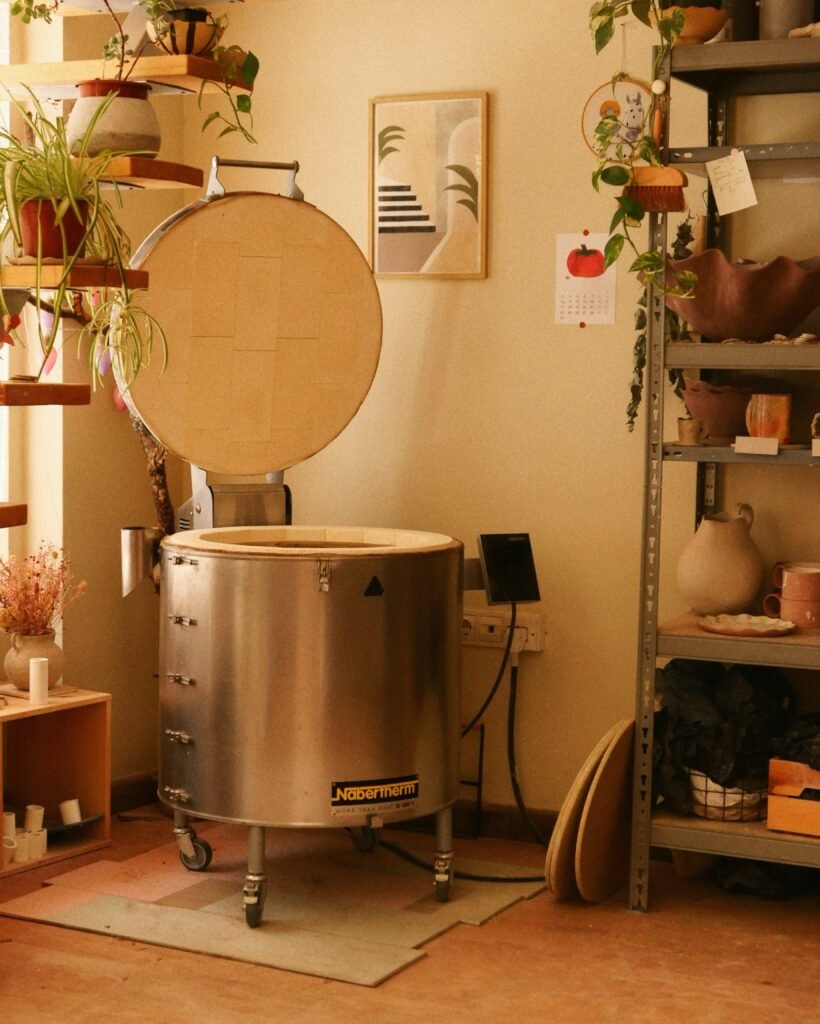
If the pottery on one shelf is perfect while another shelf is underfired, the kiln may not be broken. The problem may be kiln temperature uniformity. Electric kilns naturally develop temperature differences between different parts of the firing chamber. The center can behave differently from the top and bottom. Loading density, shelf spacing, thermocouple placement, firing […]
29
Sep
Sep
A damaged kiln floor does not automatically mean your pottery kiln is finished. Small chips, holes, cracks, and glaze damage can sometimes be repaired without replacing the entire floor. In other cases, the damage is significant enough that replacing the floor is the safer and more practical option. The important part is knowing the difference. […]
29
Sep
Sep
If there is one thing you do not want inside a pottery kiln, it is liquid water trapped inside a piece of clay. That is where kiln candling can help. Kiln candling is the practice of gently heating pottery at a low temperature for an extended period before the main firing continues. The goal is to give […]
29
Sep
Sep
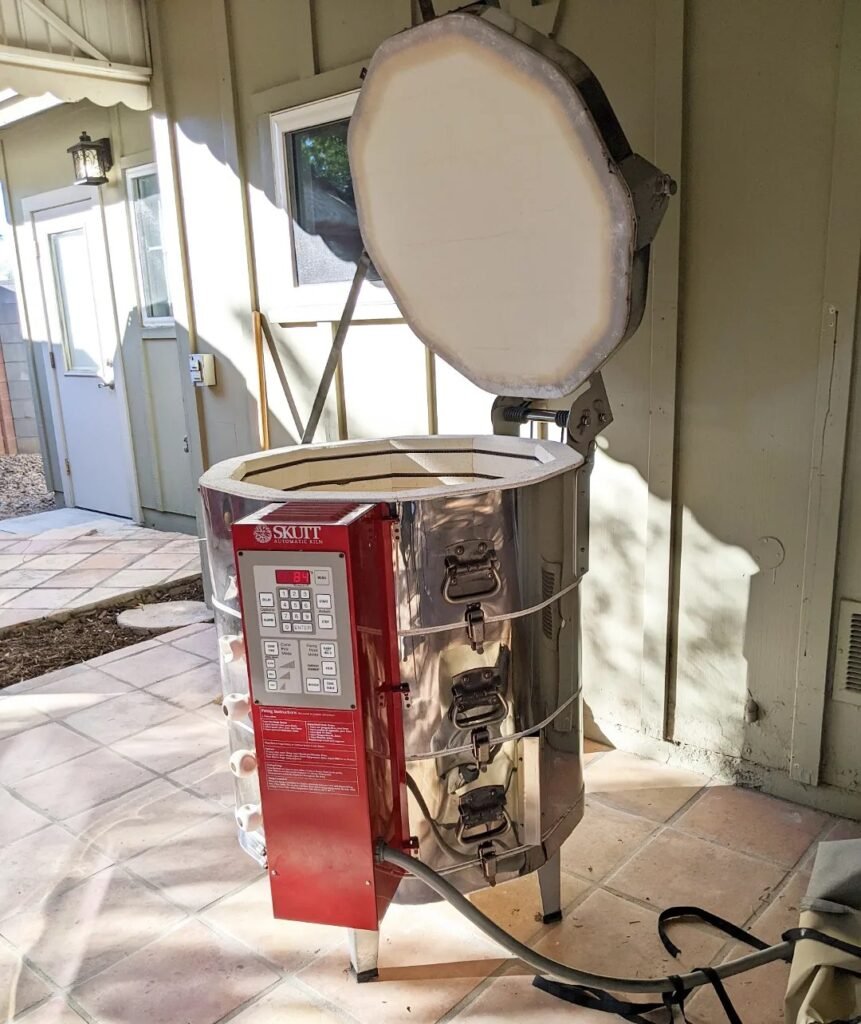
If your kiln controller says it is running but the elements are not heating, or the kiln suddenly stops heating when the lid moves, the problem may be much simpler than a failed controller. It could be the kiln lid safety switch. A kiln lid safety switch is designed to interrupt power to the heating elements […]
28
Sep
Sep
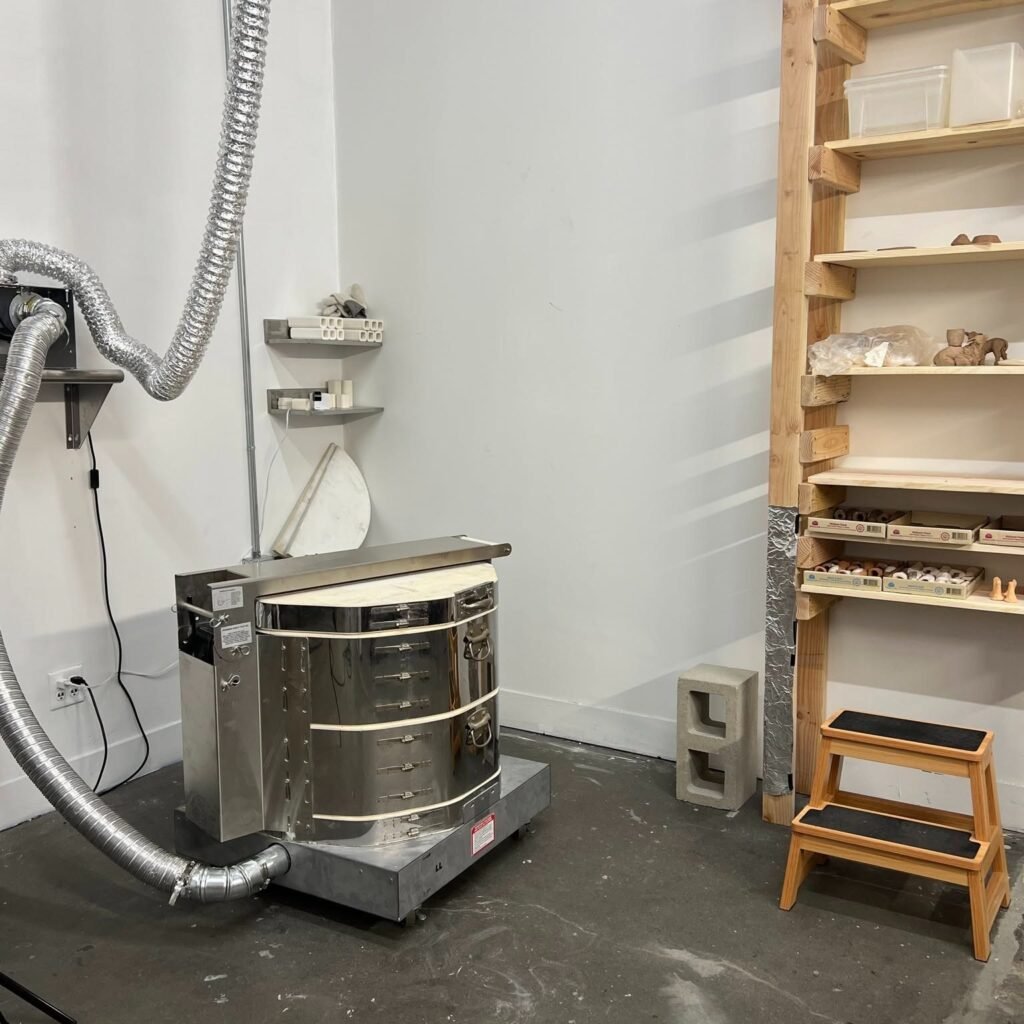
The kiln finished firing hours ago. The controller says the temperature is dropping. You are curious about what happened inside. Should you open it? Usually, no. A proper kiln cooldown is part of the firing process, not wasted time after the firing is finished. Opening a pottery kiln while it is still very hot can expose the […]
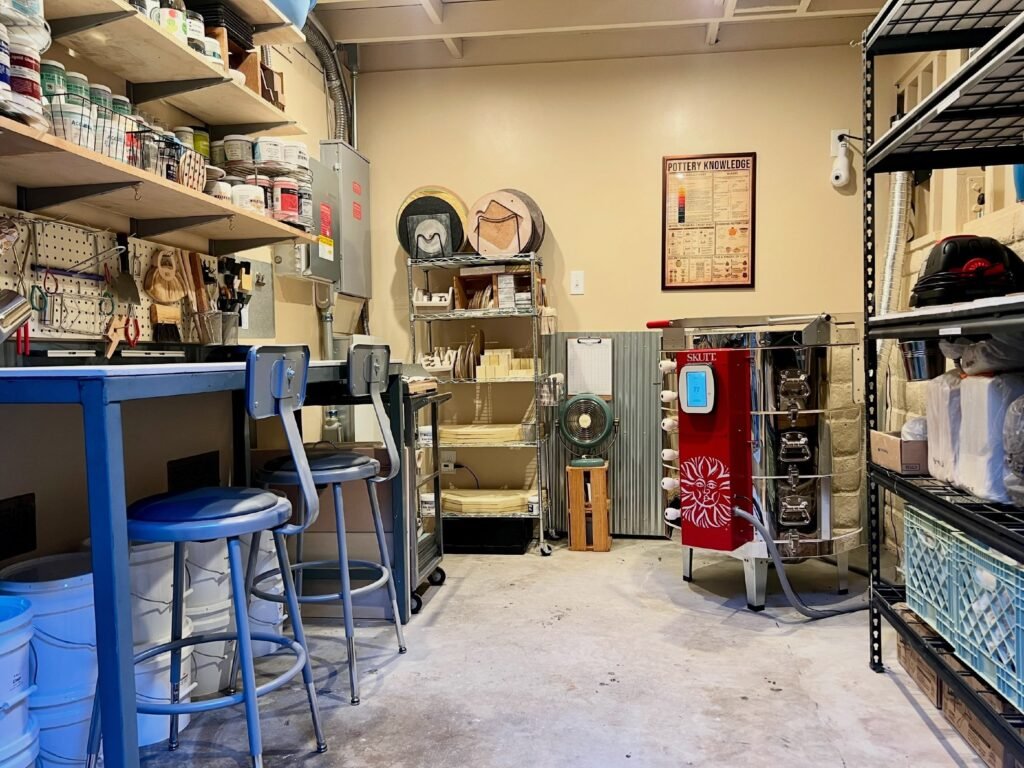
A kiln peephole is a small opening in the wall of an electric kiln that lets you look into the firing chamber and, depending on the kiln and ventilation setup, helps manage gases and moisture during firing. It is a small feature, but it has several jobs. You can use a kiln peephole to observe […]
28
Sep
Sep
A kiln stand does more than lift a pottery kiln off the floor. The right stand supports the weight of the kiln, provides the intended clearance beneath it, keeps the kiln stable, and can make loading and maintenance considerably easier. The wrong stand can create an entirely different set of problems. It may not support […]
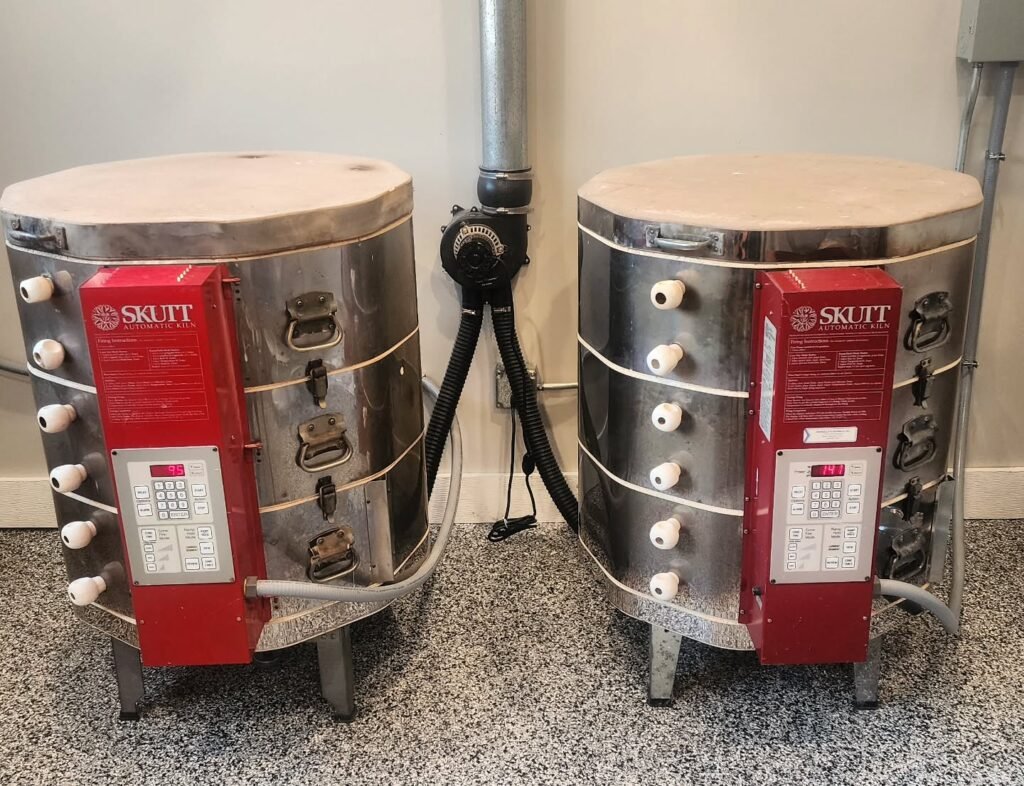
Kiln furniture is everything that supports, separates, protects, or positions pottery inside a kiln. That includes kiln shelves, posts, stilts, setters, rings, cranks, and other refractory accessories used to load the firing chamber efficiently. For most pottery studios, the core system is simple: shelves plus posts. The shelves create usable firing levels. The posts create the […]
27
Sep
Sep
Kiln element grooves are easy to ignore until a heating element starts moving, sagging, popping out of the wall, or showing signs of uneven heating. Those grooves are not simply channels cut into the firebrick for convenience. They position the resistance wire, help maintain the intended element geometry, and keep the heating element where the […]