If you’re comparing the Shimpo VL-Lite vs Aspire, you’re probably looking for a pottery wheel that takes up less space without forcing you into the cheapest equipment available.
Both wheels appeal to beginners and home potters, especially those working in small studios or multipurpose rooms. However, they are not necessarily the right choice for the same buyer.
The bigger question, therefore, isn’t simply which wheel is better.
It is which wheel makes more sense for the way you actually plan to throw pottery?
Shimpo VL-Lite vs Aspire at a Glance
The first thing to understand is that both wheels belong to the compact end of the pottery-wheel market.
That makes them especially interesting for home potters who don’t have room for a large studio setup.
| Factor | Shimpo Aspire | Shimpo VL-Lite |
| Main appeal | Compact, beginner-friendly setup | Compact wheel with room to grow |
| Typical use | Smaller home pottery work | Home and studio throwing |
| Space | Excellent for limited spaces | Excellent for limited spaces |
| Portability | Easy to move compared with full-size wheels | Easier to move than many full-size wheels |
| Best for | Beginners and occasional potters | More committed home potters |
| Main consideration | Long-term capacity | Higher investment |
The exact specifications, accessories and current pricing should always be confirmed on the manufacturer’s or seller’s current product listing before purchase.
Why Are These Two Wheels Compared So Often?
There is a simple reason.
Both give potters an alternative to immediately buying a large floor-standing wheel.
That matters because not every beginner has a dedicated ceramics studio.
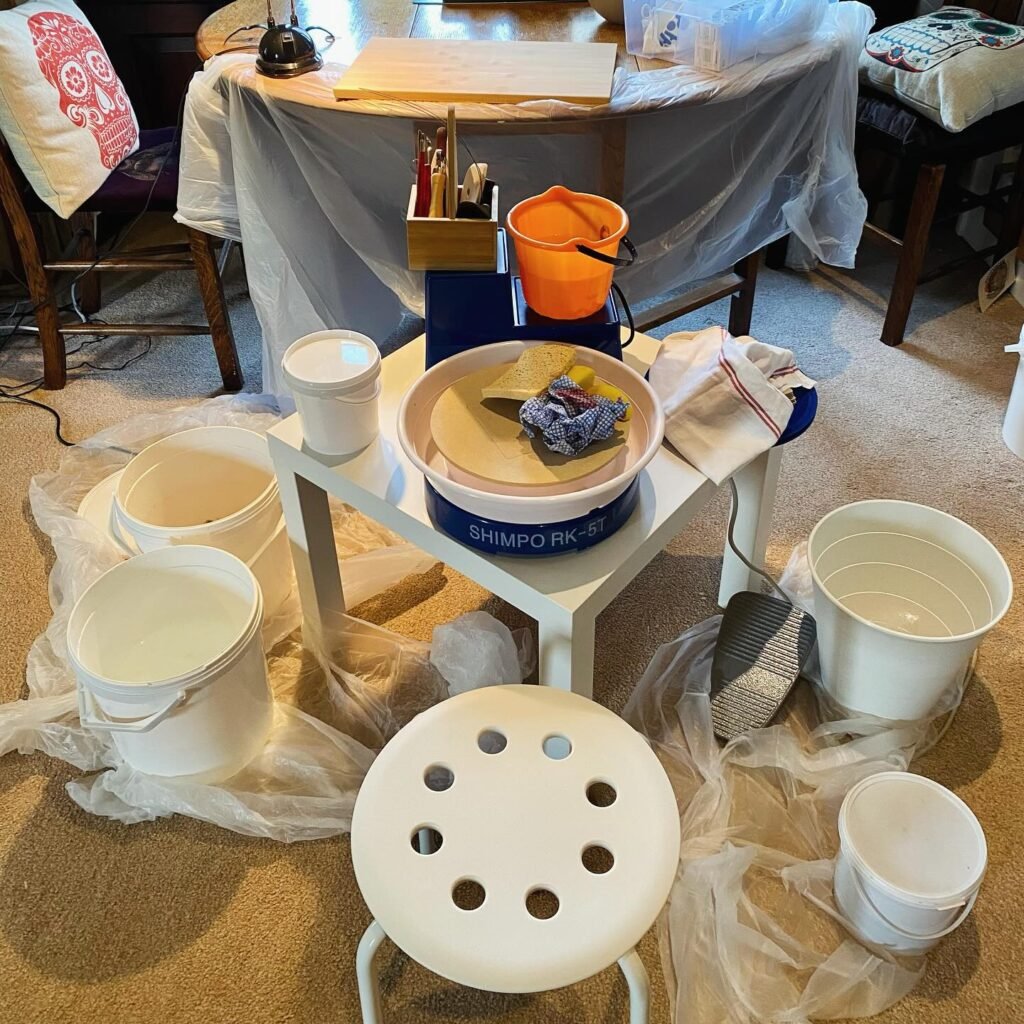
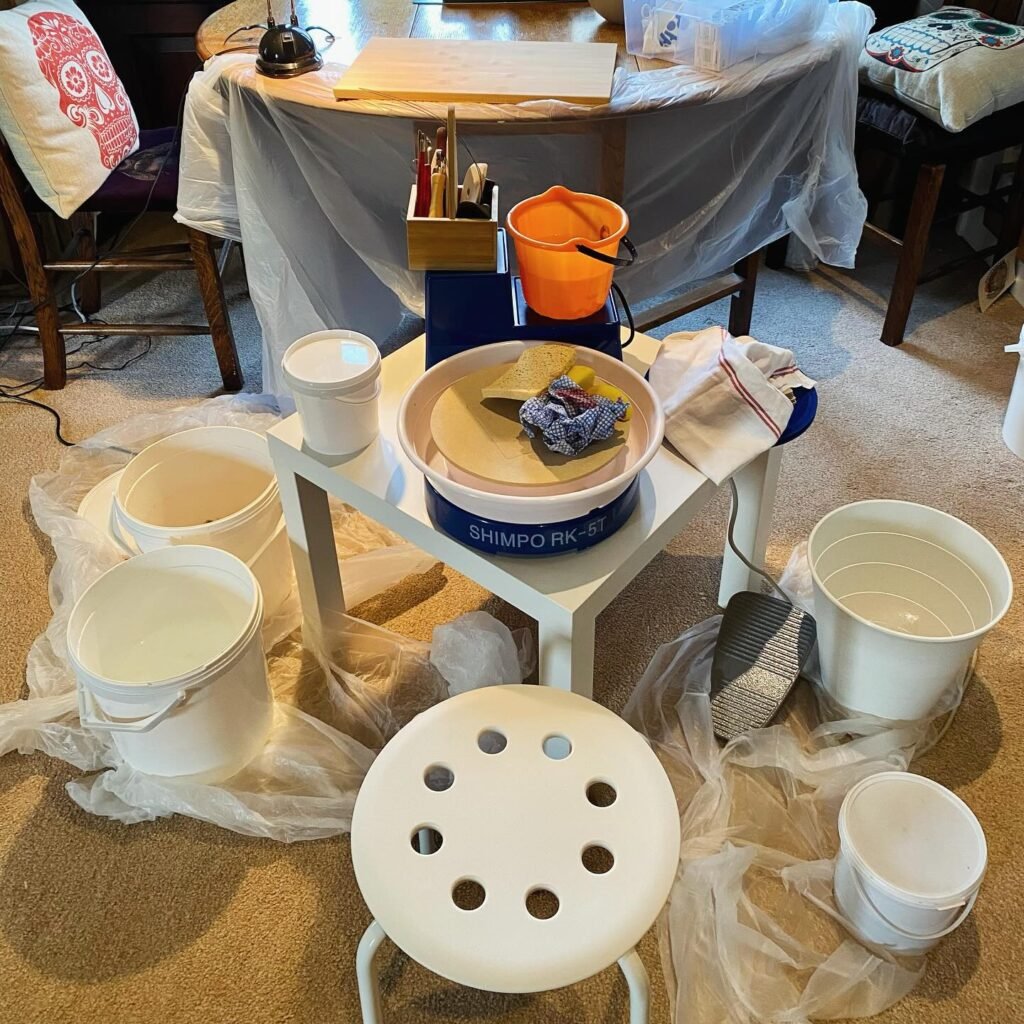
For example, you might be throwing pottery in an apartment, spare bedroom, classroom, garage or small home workspace.
In those situations, portability and footprint can matter almost as much as raw performance.
Recent pottery discussions reflect this exact problem. One 2026 Reddit discussion involved a potter looking for a wheel for limited space and considering the Shimpo tabletop options. Another user described using a VL-Lite in a very small studio apartment.
So, the compact format isn’t merely a beginner gimmick.
For some potters, it is the practical solution.
Who Should Choose the Shimpo Aspire?
The Shimpo Aspire makes the most sense when keeping your setup compact is a major priority.
It is particularly appealing if you are:
- New to wheel throwing
- Working in a small space
- Making smaller functional pieces
- Sharing your workspace with other activities
- Looking for equipment that is easier to store
- Not ready to commit to a full-size studio wheel
In other words, the Aspire can make sense when convenience is part of the equation.
That is important because beginners sometimes focus so heavily on motor specifications that they overlook whether the wheel actually fits their life.
A wheel that is difficult to set up, store or access may discourage you from practicing.
By contrast, equipment that is easy to reach can make it much easier to throw consistently.
Who Should Choose the Shimpo VL-Lite?
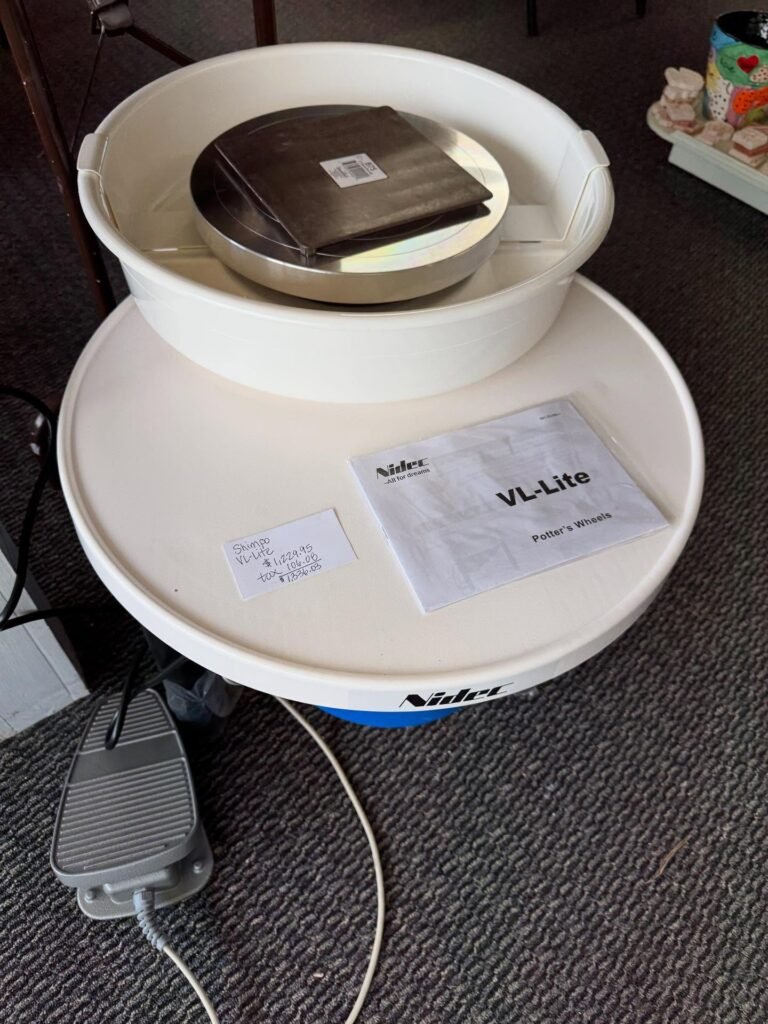
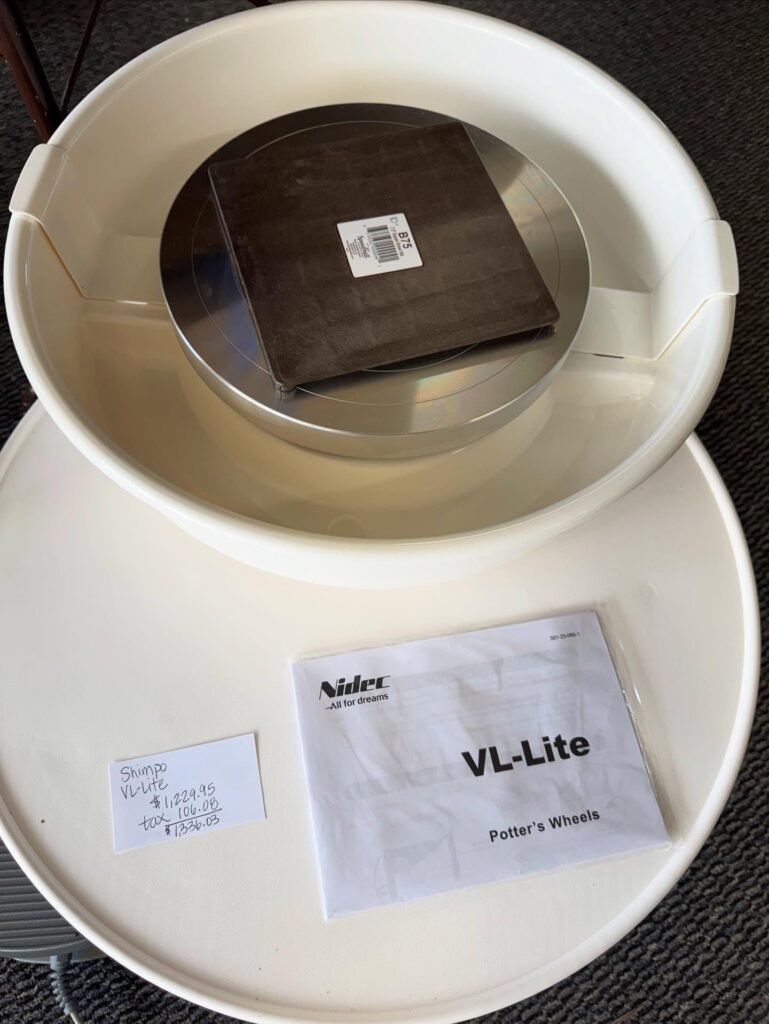
The Shimpo VL-Lite is worth considering if you want a compact wheel but expect pottery to become a more serious part of your routine.
Several experienced potters on Reddit describe the VL-Lite positively, particularly for home use and smaller amounts of clay.
That does not mean it is automatically the better wheel.
Instead, it suggests that the VL-Lite has a different appeal: a buyer can prioritize compactness without necessarily treating the wheel as a temporary beginner purchase.
If you already know that you enjoy throwing and expect to practice frequently, that distinction becomes important.
Is the Aspire Good Enough for Beginners?
For many beginners, yes.
However, “good enough” depends on what you intend to make.
If your first projects are mugs, small bowls, cups and similar pieces, a compact wheel can be a sensible way to get started.
Furthermore, beginners do not automatically need the largest or most powerful wheel available.
Your technique matters far more than the price of your equipment.
At the same time, you should think about where you want your pottery to go.
If you already know that you want to make larger forms or throw heavier amounts of clay regularly, buying a compact wheel may eventually leave you wanting more.
What About Clay Capacity?
Clay capacity is one of the most important questions to ask before buying either wheel.
However, don’t choose based on the largest number you see in a specification sheet alone.
Think about what you actually throw.
Recent Reddit conversations show why. Potters discussing the Aspire and VL-Lite have mentioned throwing approximately five pounds of clay, while others discuss smaller work and limited-space setups.
Therefore, ask yourself:
What do I normally make?
If your goal is mostly mugs and small bowls, you may not need a large production wheel.
On the other hand, if you want to throw large serving bowls, pitchers or substantial vessels, a full-size wheel deserves serious consideration.
Which Is Better for a Small Home Studio?
For a small home studio, both models have an obvious advantage.
They don’t demand the same footprint as many full-size floor wheels.
That makes them attractive for apartment potters, hobbyists and people who need to pack their equipment away after working.
However, there is another issue to consider.
You need a proper working surface.
A compact wheel may save floor space, but you still need a stable setup that allows you to sit comfortably and control the wheel without awkward positioning.
In addition, think about cleanup.
Clay gets everywhere.
Therefore, the best wheel for a small studio is not simply the smallest wheel.
It is the wheel that gives you a workable throwing position while still fitting comfortably into your space.
What Do Potters Say About the Aspire?
Reddit feedback is mixed, which is actually useful.
Some potters like the Aspire specifically because it is compact and capable of handling the smaller work they want to make. Others criticize aspects such as its unusual bat size and the possibility of needing specialized bats.
That distinction is worth paying attention to.
A machine can work well while still having practical inconveniences.
Consequently, don’t evaluate a pottery wheel only by whether it can technically throw clay.
Also consider accessories, workspace, maintenance and how easy it will be to transition to another wheel later.
What Do Potters Say About the VL-Lite?
The VL-Lite also receives positive feedback from many experienced potters.
One Reddit discussion from a potter comparing the Aspire and VL-Lite resulted in a strong recommendation for the VL-Lite when the buyer could afford it.
Other potters describe the VL-Lite as a favorite compact wheel for smaller work.
Still, no equipment is immune from problems.
There are also user reports of VL-Lite troubleshooting issues, including problems involving the wheel head and pedal. Those reports are individual experiences, not evidence that the model is generally unreliable.
That is an important distinction.
Online discussions are useful for discovering real-world concerns, but they should not replace manufacturer specifications or warranty information.
Aspire vs VL-Lite: Which One Is Better for Beginners?
If you’re completely new to pottery, the Aspire can be attractive because it lets you start with a compact setup without immediately moving into a larger studio machine.
However, if you have already taken classes and know that throwing is something you want to continue, the VL-Lite deserves closer consideration.
One older Reddit discussion is particularly revealing. A beginner who had tried both options was specifically deciding between the Aspire and VL-Lite because of budget, intended clay capacity and plans to make functional ware.
That is exactly how you should approach the decision.
Don’t ask:
“Which wheel do potters say is best?”
Instead ask:
“Which wheel fits the work I want to make?”
Should You Buy a Full-Size Wheel Instead?
Sometimes, yes.
If you have enough space and already know you want to throw regularly, don’t automatically assume that a compact wheel is the smartest purchase.
A full-size wheel can give you a more traditional studio setup and may make more sense as your work grows.
On the other hand, spending more does not automatically make sense for every beginner.
If you live in a small apartment, have limited storage or simply want to practice a few times a week, a compact wheel may be exactly what you need.
Therefore, your workspace should influence the decision just as much as your budget.
Shimpo VL-Lite vs Aspire: The Simple Decision
Choose the Shimpo Aspire if your priorities are:
- Compact size
- Easy storage
- Smaller pottery
- A home or apartment setup
- Starting without immediately investing in a larger wheel
Choose the Shimpo VL-Lite if your priorities are:
- A compact setup
- More serious long-term use
- Regular throwing
- Smaller home-studio spaces
- Avoiding an immediate jump to a large floor-standing wheel
However, if you already know that you want to throw large forms or work with substantial amounts of clay, compare both against a full-size wheel before making a decision.
Frequently Asked Questions
Is the Shimpo VL-Lite better than the Aspire?
Not automatically. The better choice depends on your workspace, budget, intended clay capacity and how seriously you expect to use the wheel.
Is the Shimpo Aspire good for beginners?
Yes. Its compact format makes it an appealing option for beginners and home potters who primarily want to make smaller pieces.
Can you use a compact pottery wheel at home?
Yes. Compact wheels can be particularly useful in apartments, spare rooms and other spaces where a full-size wheel would be inconvenient.
Should I buy a tabletop pottery wheel or a full-size wheel?
Choose a tabletop wheel when space and portability are major priorities. However, if you expect to throw larger forms regularly, compare full-size wheels before buying.
Should I choose the VL-Lite if I plan to keep pottery as a long-term hobby?
It can make sense. If you already know that pottery will be a regular hobby, spending more on a wheel that better fits your expected use may be preferable to buying equipment you expect to replace quickly.
Final Thoughts
The Shimpo VL-Lite vs Aspire decision ultimately comes down to your priorities.
The Aspire makes the most sense when compactness, accessibility and beginner-friendly use are your biggest concerns.
Meanwhile, the VL-Lite becomes more attractive when you want a compact wheel but expect pottery to remain a serious hobby.
Neither wheel will make you a better potter by itself.
Instead, the best wheel is the one that gives you enough capability to practice consistently while fitting your space, budget and goals.
Before buying, compare the current models and specifications available through The Kiln Depot’s pottery wheel collection. That way, you can evaluate the Aspire and VL-Lite alongside other options instead of choosing from two wheels in isolation.
Ultimately, buy for the pottery you actually plan to make, not simply for the wheel with the longer specification sheet.
