A used pottery wheel can be one of the smartest ways to build a serious ceramics studio without spending full retail.
The secondhand market has plenty of professional pottery wheels, including Brent, Shimpo, Pacifica, Speedball, and other established models. Current US listings show hundreds of used pottery wheel results across major marketplaces, including professional wheels selling for well over $1,000. That gives buyers plenty of choice, but it also makes knowing what to inspect before buying extremely important.
The right used pottery wheel can give you years of reliable service.
The wrong one can turn a bargain into a repair project.
Why Buy a Used Pottery Wheel?
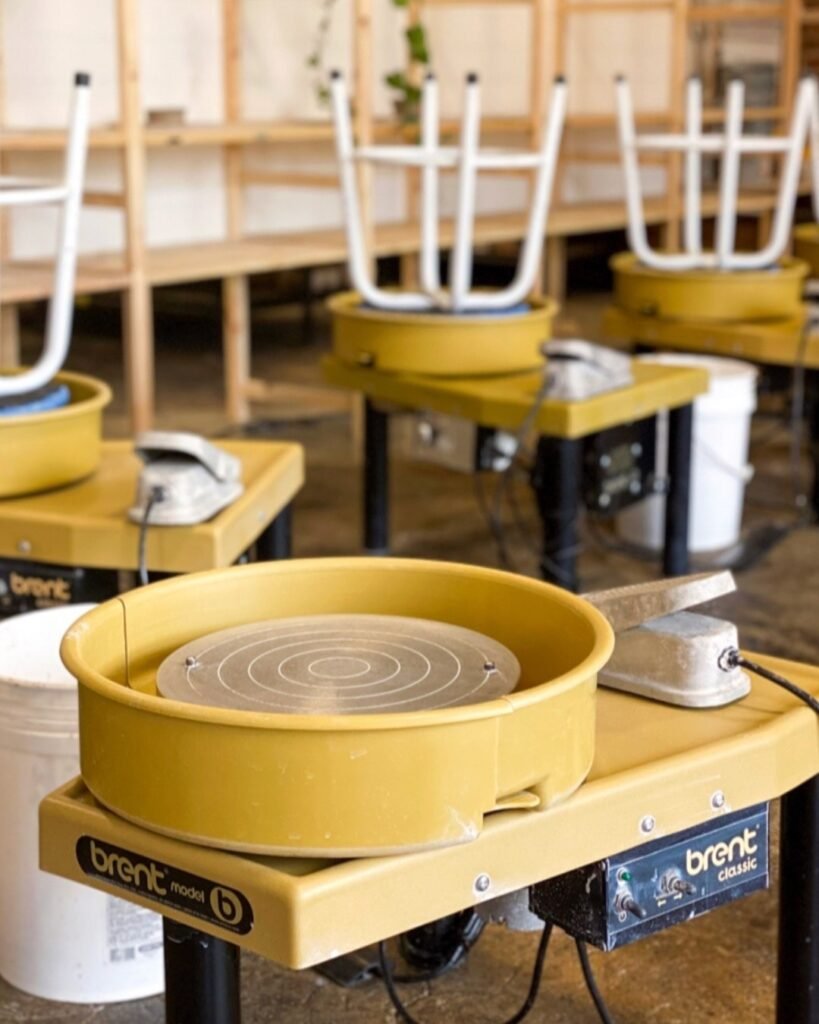
Pottery wheels are built to handle repeated use.
That makes the used market particularly interesting for potters who want professional equipment without paying the price of a brand-new machine.
A used professional wheel can make sense for:
Home studios
Beginning potters
Ceramics students
Production potters
Community studios
Second wheels
Teaching studios
Artists upgrading from a basic wheel
The key is condition.
A well-maintained older wheel can be a better purchase than a newer low-cost wheel with weak construction or limited repair support.
What Is a Used Pottery Wheel Worth?
There isn’t one universal price for a used pottery wheel.
The value depends on the brand, model, age, condition, motor, features, availability of replacement parts, and local demand.
Current US marketplace listings show a wide range of used pottery wheels. eBay currently has hundreds of listings for used pottery wheels, while industrial-equipment marketplaces such as Machinio also list used professional pottery wheels from established manufacturers.
That range makes model-specific research more important than simply searching for the cheapest wheel.
Don’t ask only:
“How much is this used pottery wheel?”
Ask:
“What would it cost me to get this particular wheel into reliable working condition?”
Check the Motor First
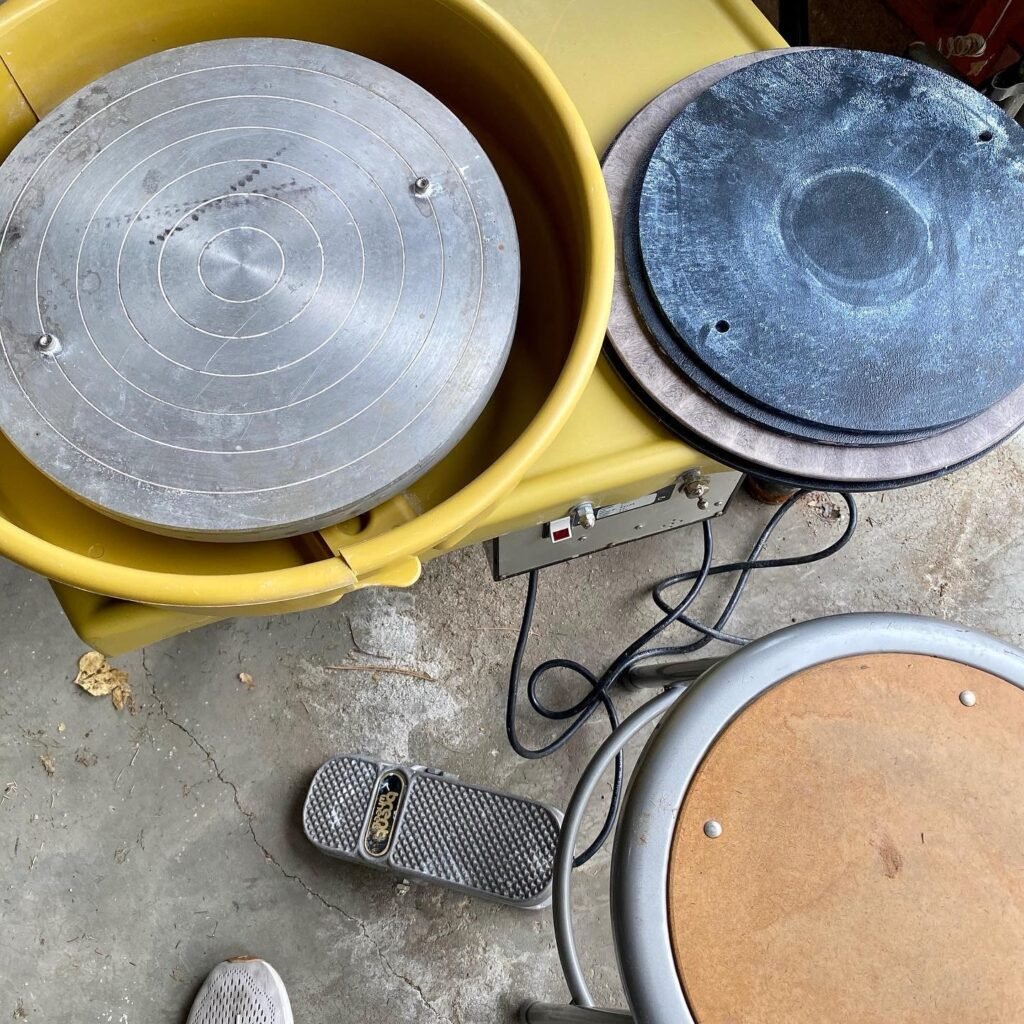
The motor is one of the most important parts of a pottery wheel.
Turn the wheel on.
Start at a slow speed.
Increase the speed gradually.
Listen carefully.
The motor should run smoothly without excessive grinding, rattling, or unusual vibration.
Then test the wheel under load.
A motor may sound fine with an empty wheelhead but struggle when you center a substantial amount of clay.
Torque matters because centering larger amounts of clay puts significantly more demand on the motor.
Test the Wheelhead
A wobbling wheelhead can make throwing frustrating.
Turn the wheel slowly and watch the edge of the wheelhead.
Look for side-to-side movement.
Then place your hand lightly on the wheelhead and feel for unusual movement.
A small amount of wear doesn’t automatically make a wheel unusable.
But significant wobble deserves investigation before you pay.
If possible, put a small amount of clay on the wheel and center it.
That gives you a much better indication of how the machine actually performs.
Test the Foot Pedal
Don’t overlook the pedal.
A pottery wheel should respond predictably as you increase and decrease pressure.
Test the full speed range.
Make sure the wheel doesn’t suddenly jump in speed.
Check whether the pedal feels loose or inconsistent.
If the pedal feels unreliable, ask whether the manufacturer still supplies replacement parts.
A pedal problem may be relatively simple to fix, but you should factor the cost into your offer.
Check Forward and Reverse
If the pottery wheel has forward and reverse operation, test both directions.
The switch should work correctly.
The wheel should transition normally.
Don’t assume that every feature works simply because the seller says the wheel is operational.
Test it yourself.
Look at the Splash Pan and Frame
Cosmetic damage isn’t necessarily a serious problem.
Dried clay, scratches, stains, and faded paint don’t automatically affect performance.
Focus on structural condition.
Check the frame.
Look for serious corrosion.
Inspect the splash pan.
Check whether the wheel sits level.
Look underneath the machine for obvious signs of damage or previous repairs.
A dirty wheel can often be cleaned.
A damaged frame or major mechanical problem can become expensive.
Used Brent Wheels
Brent pottery wheels deserve particular attention when you’re shopping for used equipment.
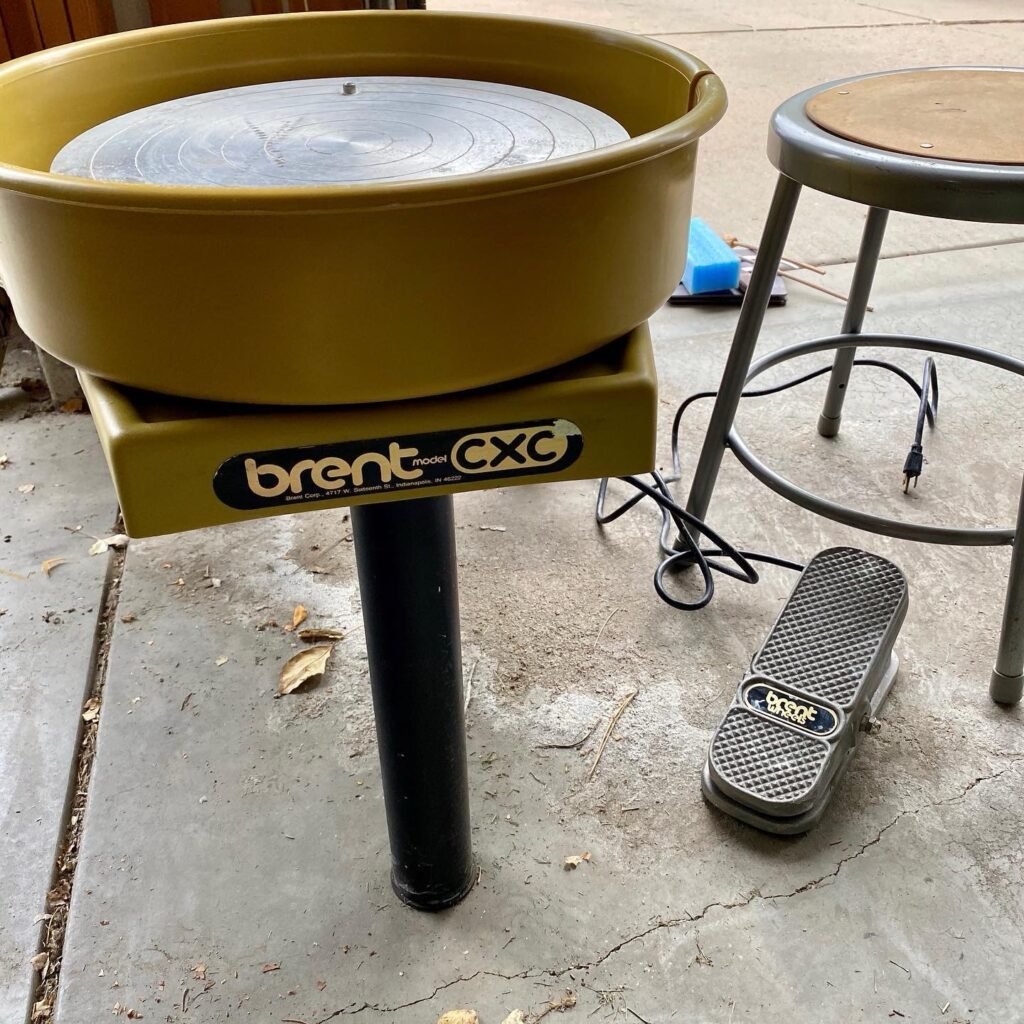
Models such as the Brent B, Brent C, and Brent CXC have long histories in pottery studios.
Their popularity also makes replacement information and used-market comparisons easier to find.
A used Brent wheel can make an excellent studio purchase when the motor, wheelhead, pedal, and frame remain in good condition.
Don’t pay a premium simply because the listing says “Brent.”
Inspect the actual machine.
A heavily worn Brent may be a worse purchase than a well-maintained competing wheel.
Used Shimpo Pottery Wheels
Shimpo wheels are another strong option in the used market.
Models such as the VL-Whisper have become popular with potters who value quiet operation and smooth performance.
NIDEC-SHIMPO currently lists several pottery wheel models and continues to support the ceramic equipment market with wheels and other studio machinery.
When buying a used Shimpo pottery wheel, pay particular attention to the motor, electronics, speed control, wheelhead, and pedal.
Older electronic components can make repair costs more important than cosmetic condition.
Used Pottery Wheel vs Refurbished Pottery Wheel
There’s an important difference between used and refurbished.
Used simply tells you that someone owned the equipment before you.
Refurbished should mean that someone inspected, tested, repaired, or replaced components before reselling it.
But don’t assume every seller uses the word refurbished in the same way.
Ask exactly what work was performed.
Were the bearings checked?
Was the motor tested?
Was the pedal replaced?
Were electronic components repaired?
Was the wheel cleaned and tested under load?
Did the seller replace worn parts?
The answers tell you far more than the word refurbished.
When a Refurbished Pottery Wheel Makes Sense
A refurbished pottery wheel can make sense if you want to reduce the risk that comes with buying completely untested equipment.
You may pay more than you would for a private-sale used wheel.
In return, you may get a machine that someone has already inspected and repaired.
For a beginner who doesn’t know how to diagnose motor or electrical problems, that additional confidence can justify the higher price.
Just compare the refurbished price against a comparable new wheel.
If the difference is small, buying new may make more sense.
Where to Find Used Pottery Wheels
You can find used pottery wheels through several channels.
Local pottery studios sometimes sell equipment when they upgrade.
Community art centers may replace older equipment.
Schools and universities occasionally sell surplus studio equipment.
Potters closing studios may sell complete setups.
Local classifieds can produce good deals.
Online marketplaces provide a much larger selection.
Specialist pottery equipment sellers may also offer used or refurbished machines.
Local buying has one major advantage.
You can inspect the wheel before paying.
That can be extremely valuable because pottery wheels are heavy and expensive to ship.
Search for Used Pottery Wheels Near You
If you want to avoid shipping, search specifically for:
Used pottery wheel near me
Used pottery wheels near me
Used Brent wheel near me
Used Shimpo pottery wheel near me
Used pottery wheel for sale near me
Used pottery equipment near me
Then expand the search to nearby cities.
A seller 100 miles away may still be worth considering if the wheel is significantly better and cheaper.
Just calculate fuel, transportation, and your time before deciding.
Questions to Ask the Seller
Before traveling to inspect a used pottery wheel, ask a few basic questions.
What is the exact model?
How old is it?
How frequently was it used?
Why are you selling it?
Has it ever been repaired?
Has the motor been replaced?
Has the pedal been replaced?
Does the wheelhead wobble?
Does the wheel operate smoothly under load?
Is anything missing?
Does it come with the splash pan?
Does it include a warranty?
If the seller avoids basic questions, treat that as a warning sign.
Don’t Buy From Photos Alone
Photos can show you the general condition.
They cannot tell you everything about the motor.
They cannot tell you how the pedal responds.
They cannot show you whether the wheelhead wobbles under load.
They cannot tell you whether the electronics behave properly.
Whenever practical, test the wheel before purchasing.
If you cannot inspect it personally, ask the seller for a video showing the wheel operating at different speeds and, ideally, centering clay.
That won’t replace an in-person inspection, but it can eliminate some obvious problems.
Calculate the Real Cost
A cheap used pottery wheel isn’t necessarily a cheap pottery wheel.
Calculate:
Purchase price
Transportation
Shipping
Replacement parts
Repairs
Cleaning
Possible electrical work
Accessories
Then compare the total against another used wheel and a comparable new model.
For example, a $500 wheel that needs $400 in repairs has already become a $900 purchase.
A $900 wheel that works perfectly may actually offer better value.
Buy the machine, not the sticker price.
Should Beginners Buy Used Pottery Wheels?
Yes, if they know what to check.
A beginner doesn’t need to buy brand-new equipment simply because they’re new to pottery.
A quality used wheel can provide everything a beginner needs to learn throwing.
The bigger mistake is buying an extremely cheap machine that struggles with centering, has poor speed control, or lacks adequate torque.
Learning pottery is already difficult.
You don’t need unreliable equipment making it harder.
Used Pottery Wheel or New Pottery Wheel?
Choose used when:
You can inspect the wheel.
The model has a strong reputation.
Replacement parts remain available.
The machine operates smoothly.
The savings are meaningful.
Choose new when:
You need warranty coverage.
You can’t inspect used equipment.
The price difference is small.
You want the latest features.
You don’t want to deal with possible repairs.
Choose refurbished when:
You want lower cost than new.
You want more confidence than an untested used machine.
The seller can explain what was repaired and tested.
Where to Shop for Pottery Wheels
If you’re comparing used and new options, look at the exact model rather than simply searching by price.
The Kiln Depot carries pottery equipment and pottery wheels for buyers building or upgrading ceramic studios.
Browse pottery wheels here:
For manufacturer information, NIDEC-SHIMPO provides current specifications for its ceramic equipment:
For Brent equipment information, AMACO provides information about its pottery equipment and Brent wheel lineup:
The Bottom Line
A used pottery wheel can be an excellent investment.
The used market gives you access to professional equipment at prices that can make building a studio considerably more affordable.
But don’t buy based on brand name, age, or a good-looking photograph.
Test the motor.
Check the wheelhead.
Test the pedal.
Check the frame.
Test the wheel under load.
Ask about repairs.
Research replacement parts.
Calculate transportation and repair costs.
Then compare the total against new and refurbished alternatives.
A good used pottery wheel should feel like a smart upgrade, not a gamble.
Take your time, inspect the machine properly, and you’ll have a much better chance of finding a professional wheel that delivers years of reliable throwing without the full cost of buying new.
