Buying a used Skutt kiln can save you thousands of dollars—but it can also become one of the most expensive mistakes you’ll make if you don’t know what to inspect. Some used Skutt kilns continue producing beautiful pottery for decades with only routine maintenance, while others require costly repairs almost immediately after purchase.
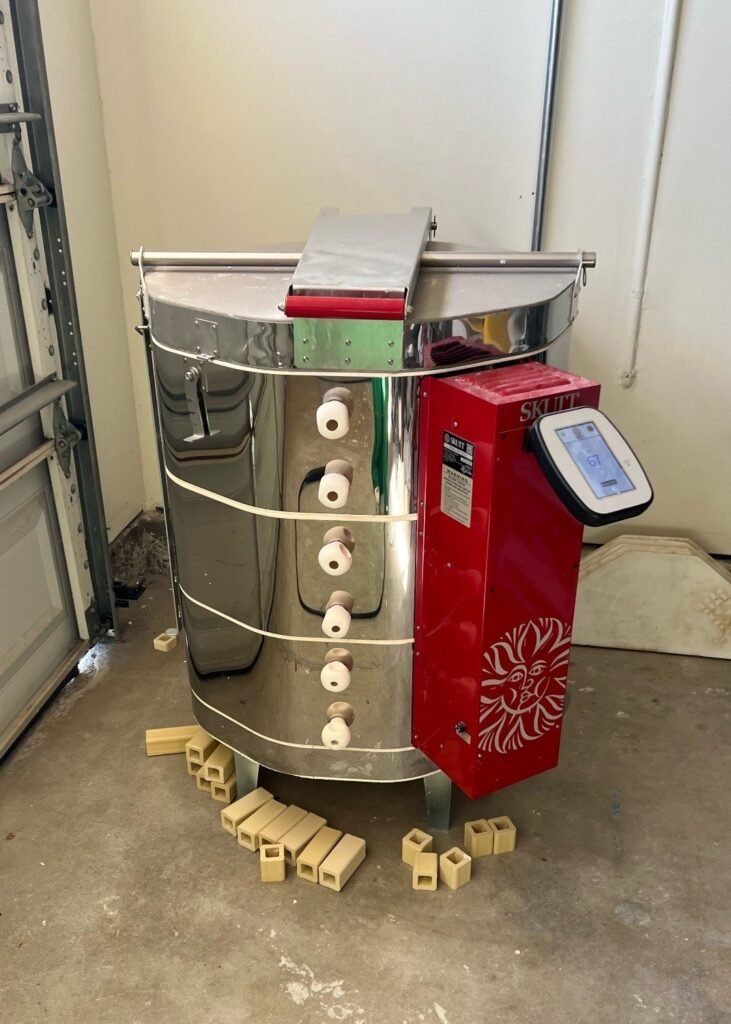
The good news is that most expensive surprises are avoidable. By learning how to inspect a kiln, ask the right questions, and understand which repairs are routine versus deal breakers, you can confidently purchase equipment that delivers professional results for years.
Whether you’re building your first pottery studio, replacing an aging kiln, or expanding production, this guide will help you determine whether a used Skutt kiln is the right investment.
If you’re still comparing different models, start with our Skutt Kiln Buying Guide before choosing a specific kiln for your studio.
Quick Answer
A used Skutt kiln is often an excellent investment if the firebrick, heating elements, controller, and electrical components remain in good condition. A well-maintained kiln from a trusted seller can perform almost as well as a new model while costing significantly less.
Key Takeaways
- Used Skutt kilns often provide excellent value.
- Condition matters far more than age.
- Inspect the controller, firebrick, thermocouple, and heating elements.
- Budget for transportation and electrical installation.
- Professionally refurbished kilns reduce purchasing risk.
Table of Contents
- Why Buy a Used Skutt Kiln?
- Is a Used Skutt Kiln Worth Buying?
- Where to Buy a Used Skutt Kiln
- Best Used Skutt Models
- How Much Should You Pay?
- What to Inspect Before Buying
- Common Problems
- Used vs Refurbished
- Buyer Checklist
- Frequently Asked Questions
Why Buy a Used Skutt Kiln?
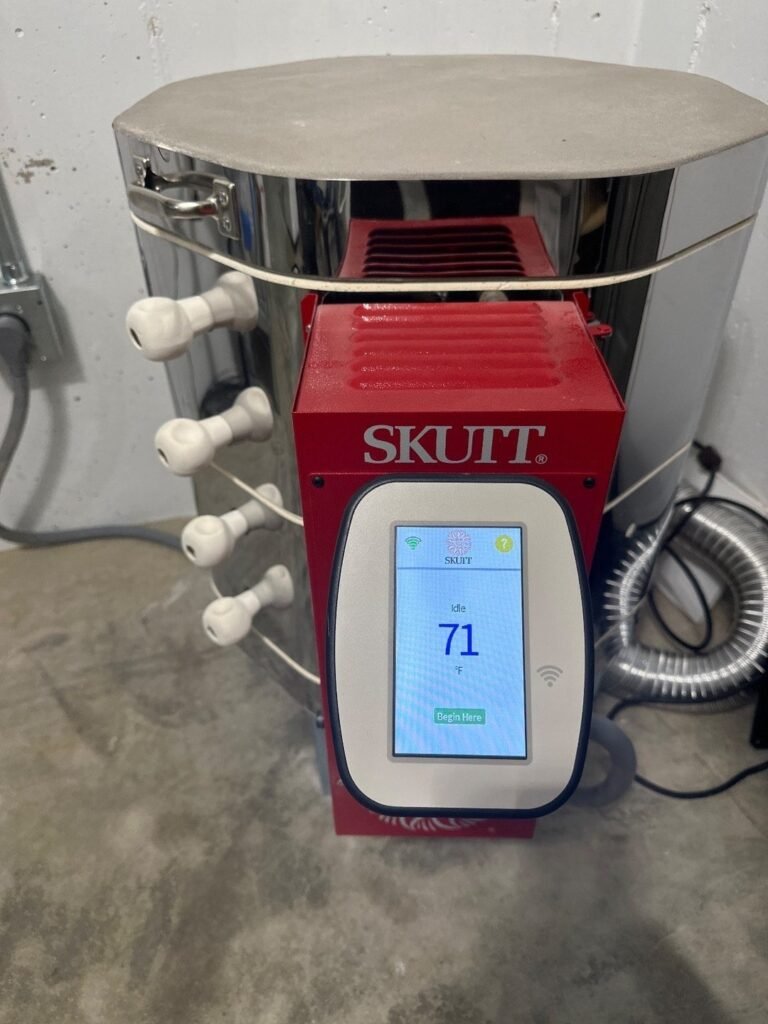
A pottery kiln is one of the largest investments most ceramic artists make. Purchasing used equipment allows many studios to upgrade to a higher-capacity kiln without paying full retail price.
Unlike many types of machinery, electric kilns have relatively few moving parts. With routine maintenance and occasional replacement of wear components such as heating elements or thermocouples, a quality kiln can remain productive for decades.
That durability is one reason Skutt kilns maintain strong resale value.
Many schools, universities, community studios, and production potters eventually replace perfectly functional kilns simply because they need greater capacity or newer controller technology. These situations often create excellent buying opportunities.
Is a Used Skutt Kiln Worth Buying?
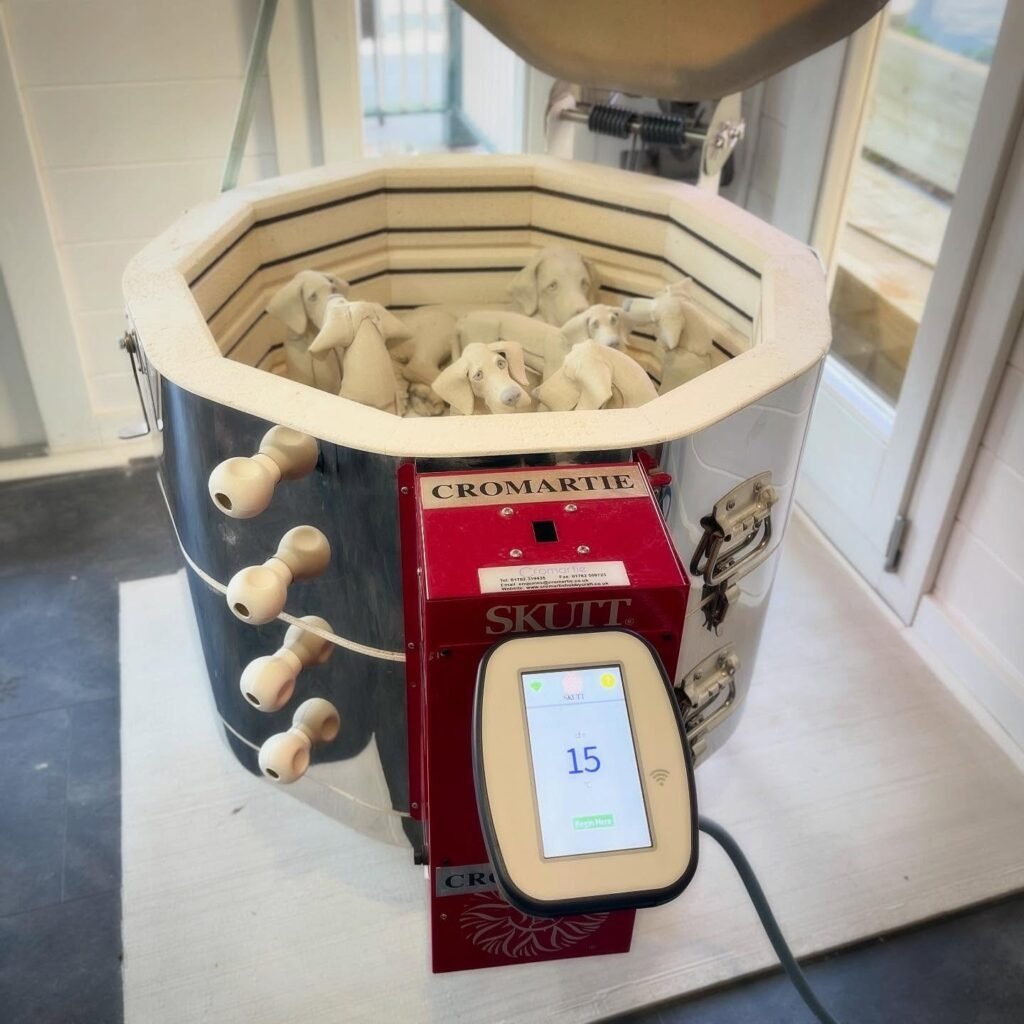
In many cases, yes.
The key isn’t finding the newest kiln—it’s finding the best-maintained one.
A lightly used ten-year-old kiln may outperform a heavily used five-year-old kiln that has fired continuously in a production environment.
Instead of asking only how old the kiln is, ask questions like:
- How often was it fired?
- Was it primarily used for bisque or glaze firing?
- Has it regularly fired to Cone 10?
- Have the heating elements been replaced?
- Has the controller ever required repair?
- Why is it being sold?
These answers reveal far more about the kiln’s condition than its manufacturing date.
Where Can You Buy a Used Skutt Kiln?
Finding a quality used kiln often requires patience. The best opportunities usually come from reputable sellers rather than simply the lowest advertised price.
Ceramic Equipment Dealers
Dealers that specialize in pottery equipment sometimes sell inspected or refurbished kilns. While prices may be higher than private sales, buyers often receive better documentation and professional advice.
Pottery Studios
Studios upgrading equipment frequently sell dependable kilns that still have many years of service remaining.
Schools and Universities
Educational institutions periodically replace equipment through surplus sales. These kilns may have cosmetic wear but are often professionally maintained.
Estate Sales
Professional ceramic artists occasionally leave behind well-maintained equipment collections. Estate sales can present excellent opportunities if you inspect carefully.
Online Marketplaces
Facebook Marketplace, Craigslist, and local classified websites frequently list used kilns. Always inspect the kiln in person whenever possible and ask the seller to demonstrate that the controller powers on correctly.
Best Used Skutt Kiln Models
Not every used kiln represents equal value.
These Skutt models consistently remain popular because replacement parts are readily available and they serve a wide range of ceramic artists.
Skutt KM-818
Ideal for:
- Beginners
- Hobby studios
- Test firing
- Small ceramic work
Skutt KM-822
Best for:
- Home studios
- Functional pottery
- Growing ceramic businesses
The KM-822 offers an excellent balance between size, operating cost, and affordability.
Skutt KM-1027
The KM-1027 remains one of the most sought-after used Skutt kilns because it offers professional-level production capacity without requiring extremely large studio space.
If you’re considering this model, read our Skutt KM-1027 Review before making a purchase.
Skutt KM-1227
For larger production studios, the KM-1227 provides substantially greater firing capacity, reducing the number of firing cycles needed each month.
How Much Should You Pay?
The value of a used kiln depends on much more than age.
Consider:
- Overall condition
- Controller type
- Heating element condition
- Brick integrity
- Included furniture
- Local demand
- Freight costs
A kiln with recently replaced elements and excellent firebrick may represent better value than a cheaper kiln requiring immediate repairs.
Typical Inspection Points
| Component | What to Check | Importance |
|---|---|---|
| Firebrick | Cracks, missing sections, glaze contamination | High |
| Heating Elements | Even wear, sagging, firing performance | High |
| Controller | Display, buttons, programming | High |
| Thermocouple | Wear and alignment | High |
| Lid | Smooth operation, hinge condition | Medium |
| Wiring | Damage or overheating | High |
| Shelves | Chips and glaze buildup | Medium |
Inspect the Firebrick Carefully
Firebrick naturally develops small surface cracks after repeated heating and cooling cycles. These hairline cracks are generally not a concern.
More serious issues include:
- Missing chunks around element grooves
- Large structural cracks
- Severe glaze contamination
- Soft or crumbling brick
These problems may reduce efficiency or require expensive repairs.
Examine the Heating Elements
Heating elements gradually lose efficiency over time.
Signs of worn elements include:
- Longer firing times
- Difficulty reaching temperature
- Uneven glaze results
- Excessive discoloration
Replacing elements is normal maintenance, but it should influence your negotiation and overall budget.
Test the Digital Controller
Never purchase a used kiln without testing the controller if possible.
Confirm that:
- The display powers on.
- Buttons respond correctly.
- Programs can be selected.
- Error messages are not present.
Modern Skutt controllers are reliable, but repairs can be costly if problems are overlooked.
Before purchasing any kiln, compare the manufacturer’s specifications and electrical requirements on the official Skuttwebsite: https://skutt.com/
To better understand pyrometric cones and heatwork, the Orton Ceramic Foundation offers excellent educational resources: https://www.ortonceramic.com/
For ceramics education, workshops, and professional development, visit NCECA at https://nceca.net/.
If you’re looking for firing tips, glazing advice, or studio techniques, Ceramic Arts Network provides an extensive library of articles and videos: https://ceramicartsnetwork.org/
EnCommon Problems Found in a Used Skutt Kiln
Every used kiln will show signs of wear, but not every issue should stop you from buying. Learning the difference between routine maintenance and expensive structural problems can save you thousands of dollars.
Worn Heating Elements
Heating elements gradually lose efficiency after repeated firing cycles.
Common symptoms include:
- Longer firing times
- Difficulty reaching Cone 6 or Cone 10
- Uneven firing
- Higher electricity consumption
Fortunately, replacing heating elements is considered normal maintenance rather than a major repair.
Thermocouple Wear
The thermocouple measures the temperature inside the kiln.
Over time it slowly deteriorates from repeated exposure to extreme heat.
A worn thermocouple may cause:
- Incorrect temperature readings
- Under-fired glazes
- Over-fired pottery
- Controller error codes
Replacing a thermocouple is relatively inexpensive compared with replacing an entire controller.
Relay Failure
Relays switch electricity to the heating elements.
Like any electrical component, they eventually wear out.
Signs include:
- Kiln heating slowly
- One section remaining cool
- Clicking sounds without heating
- Inconsistent firing performance
Relay replacement is a common repair and should not automatically discourage you from purchasing an otherwise well-maintained kiln.
Firebrick Damage
Small surface cracks are completely normal.
However, you should negotiate the price—or walk away—if you notice:
- Large missing sections
- Loose firebrick
- Deep structural cracks
- Broken element grooves
- Severe glaze contamination
Structural damage is usually much more expensive to repair than replacing heating elements.
Used Skutt Kiln vs. Refurbished Skutt Kiln
Many buyers automatically assume “used” and “refurbished” mean the same thing.
They don’t.
| Feature | Used Skutt Kiln | Refurbished Skutt Kiln |
|---|---|---|
| Purchase Price | Lower | Higher |
| Inspection | Usually seller only | Professionally inspected |
| Heating Elements | May be worn | Often replaced |
| Thermocouple | Unknown | Usually inspected or replaced |
| Controller | Unknown condition | Tested |
| Reliability | Variable | More predictable |
| Immediate Repairs | Possible | Less likely |
If you’re uncomfortable evaluating kiln condition yourself, a professionally refurbished kiln often represents the safer investment.
For more information, read our guide to Refurbished Pottery Kilns.
Moving a Used Skutt Kiln
Many buyers focus entirely on the purchase price and forget about transportation.
A full-size electric kiln is heavy, fragile, and expensive to repair if dropped.
Before collecting the kiln, consider:
- Vehicle size
- Trailer availability
- Loading equipment
- Protective blankets
- Ratchet straps
- Extra helpers
- Weather conditions
Never lift a kiln by its lid or control box.
If the seller still has the original stand and packaging, transporting the kiln becomes significantly easier.
Electrical Requirements
Before purchasing any used Skutt kiln, verify that your studio can safely power it.
Confirm:
- Voltage
- Phase (single-phase or three-phase)
- Amperage requirements
- Breaker size
- Receptacle type
If you’re unsure, ask a qualified electrician to inspect your electrical service before buying.
The official Skutt electrical specifications are available at:
Essential Accessories
Many buyers purchase a kiln and forget that several accessories are needed before the first firing.
Recommended accessories include:
- Kiln furniture kit
- Kiln shelves
- Shelf posts
- Kiln wash
- Witness cones
- Heat-resistant gloves
- Vent system
- Rolling stand (if compatible)
If these accessories are included with a used kiln, they may add significant value to the purchase.
Printable Used Skutt Kiln Inspection Checklist
Take this checklist with you when viewing a kiln.
□ Controller powers on
□ Display is clear
□ Buttons respond correctly
□ Firebrick intact
□ Heating elements evenly seated
□ Thermocouple in good condition
□ Lid opens smoothly
□ Lid closes evenly
□ Hinges secure
□ Wiring appears undamaged
□ No excessive rust
□ Furniture included
□ Voltage confirmed
□ Serial plate present
□ Seller demonstrates operation
□ Model number verified
□ Freight or transportation planned
Red Flags: Walk Away If You See These
Some problems simply aren’t worth the risk.
Avoid buying a used kiln if:
- The controller does not power on.
- The seller refuses to let you inspect it.
- Firebrick is collapsing.
- Major structural damage is visible.
- Wiring has been modified unsafely.
- The kiln has extensive corrosion.
- The serial plate has been removed.
- The seller cannot identify the voltage.
Patience almost always leads to a better purchase.
Expert Buying Tips
If two kilns are similarly priced, choose the one with:
- Better firebrick
- Newer heating elements
- A functioning digital controller
- Complete kiln furniture
- Service records
- A clean firing history
Cosmetic scratches are far less important than the condition of the kiln’s heating and electrical systems.
Frequently Asked Questions
Is a used Skutt kiln worth buying?
Yes. Many used Skutt kilns provide decades of additional service when properly maintained.
How old is too old?
Age alone isn’t a reliable indicator. Maintenance history and overall condition matter far more.
Can heating elements be replaced?
Yes. Heating elements are wear items and can be replaced as part of routine maintenance.
Should I buy from Facebook Marketplace?
Facebook Marketplace can offer excellent opportunities, but always inspect the kiln in person and verify that the controller functions correctly before purchasing.
Can I move a kiln by myself?
Small kilns may be manageable with proper equipment, but larger models often require multiple people and careful handling to avoid damage.
What is the best used Skutt kiln?
For many buyers, the Skutt KM-1027 offers the best balance of capacity, reliability, and long-term value. Smaller studios may prefer the KM-822, while production potters often choose the KM-1227.
Final Verdict
Buying a used Skutt kiln is one of the smartest ways to build or expand a pottery studio without paying the full cost of new equipment. The key is to focus on condition rather than age, inspect every major component carefully, and budget for routine maintenance where necessary.
A well-maintained used kiln can provide years of dependable service, while a professionally refurbished model offers additional confidence for buyers who want a balance between savings and reliability.
Before making your decision, compare the kiln’s specifications with the information available on the official Skutt website (https://skutt.com/), review firing guidance from the Orton Ceramic Foundation (https://www.ortonceramic.com/), and explore educational resources from NCECA (https://nceca.net/) and Ceramic Arts Network (https://ceramicartsnetwork.org/).
If you’re still deciding which kiln is right for your studio, continue with our Skutt Kiln Buying Guide, compare our Skutt KM-1027 Review, explore Refurbished Pottery Kilns, and browse our complete collection of Pottery Kilns, Pottery Wheels, Slab Rollers, and Peter Pugger Pugmills to build a studio that supports your work for years to come.
These models have strong resale markets because replacement parts remain widely available.
Buyer Checklist
✓ Inspect the firebrick.
✓ Test the controller.
✓ Examine the heating elements.
✓ Check the thermocouple.
✓ Inspect the wiring.
✓ Open and close the lid.
✓ Ask about firing history.
✓ Compare repair costs.
✓ Budget for freight and installation.
Frequently Asked Questions
Is buying a used Skutt kiln safe?
Yes, provided the kiln has been inspected carefully and repaired where necessary.
How long do Skutt kilns last?
Many Skutt kilns remain operational for decades with proper maintenance.
Should I replace the heating elements immediately?
Not necessarily. Replace them only if inspection or firing performance indicates excessive wear.
Is a refurbished kiln worth the extra money?
For many buyers, yes. Refurbished kilns often reduce uncertainty and minimize immediate repair costs.
Final Verdict
A used Skutt kiln is one of the smartest ways to purchase professional ceramic equipment without paying full retail price. By carefully inspecting the kiln, asking the right questions, and comparing repair costs against purchase price, you can find equipment that delivers years of dependable firing performance.
Whether you’re shopping for a used Skutt KM-1027, a compact KM-818, or a large production kiln, taking the time to inspect each component carefully will help you make a confident buying decision and maximize the value of your investment.
