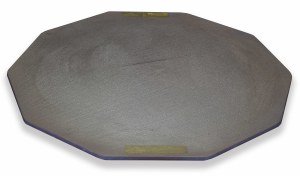
Kiln shelf cracks usually come from thermal shock, weight or glaze drips. Learn the real causes, when a shelf is unsafe, and how to prevent the next crack.
Author Archives: The Kiln Depot

12
Oct
Oct
Loading a kiln the right way means more even heat and fewer ruined pots. Use this checklist for shelves, posts, spacing, cones and glaze-ready feet.
11
Oct
Oct
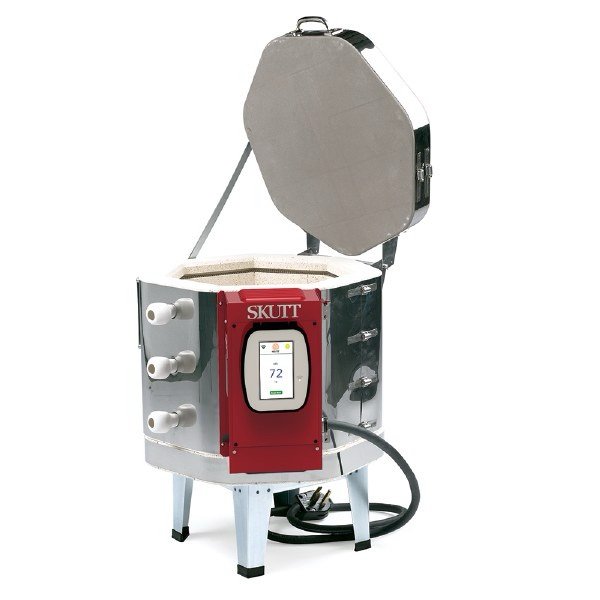
Bisque firing explained step by step: how to dry ware, load the kiln, pick a cone, and avoid cracks and exploded pots so every piece is ready for glaze.
11
Oct
Oct
Cone 6 vs cone 10 explained: firing temperatures, clay and glaze choices, kiln wear and cost, so you can pick the right firing range for your studio.
09
Oct
Oct
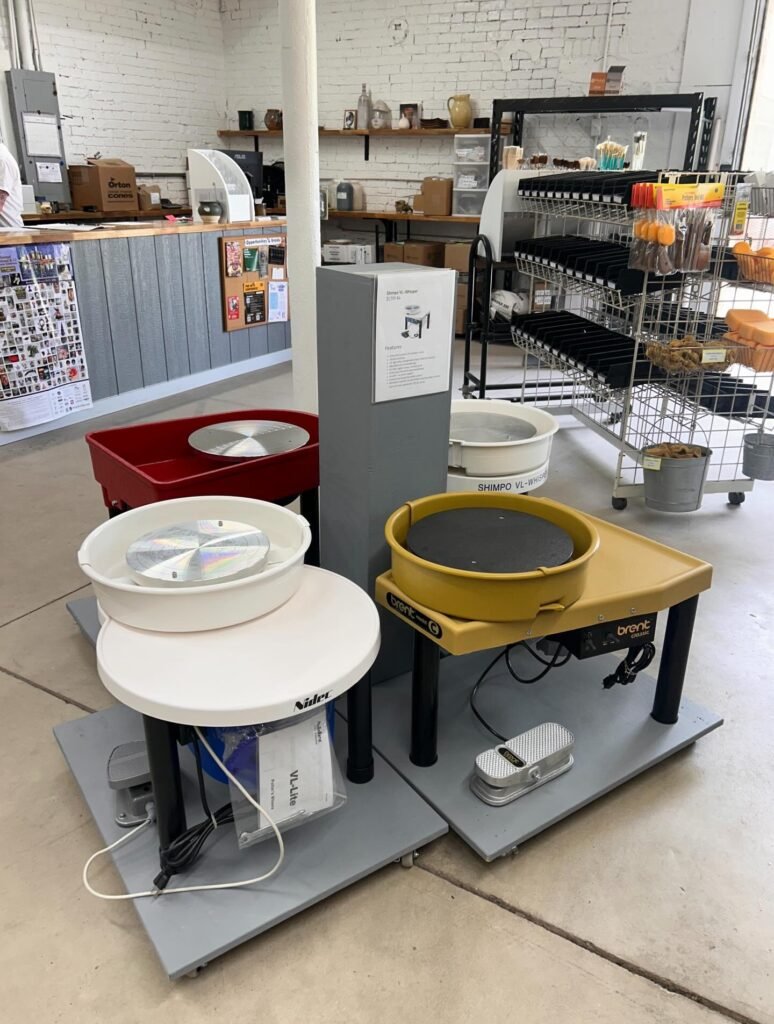
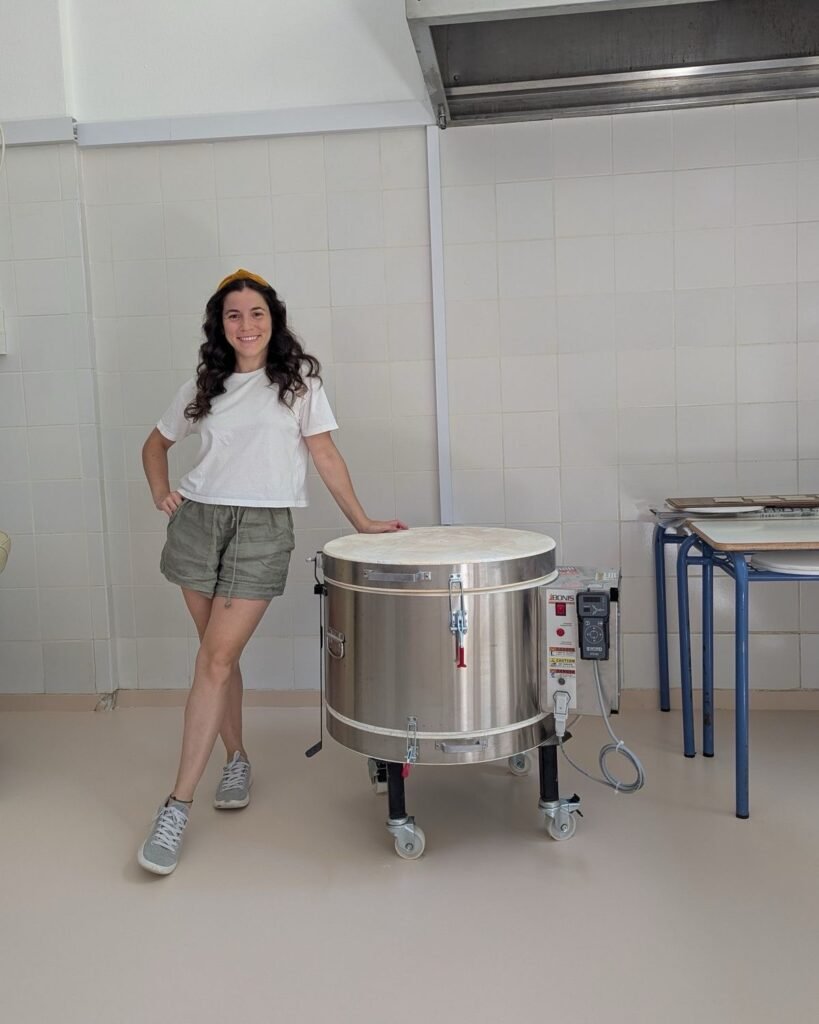
Pottery wheel bats let you remove finished pieces without lifting them directly from the wheelhead. Learn how to choose the right material, size, thickness, and attachment system for your studio.
08
Oct
Oct
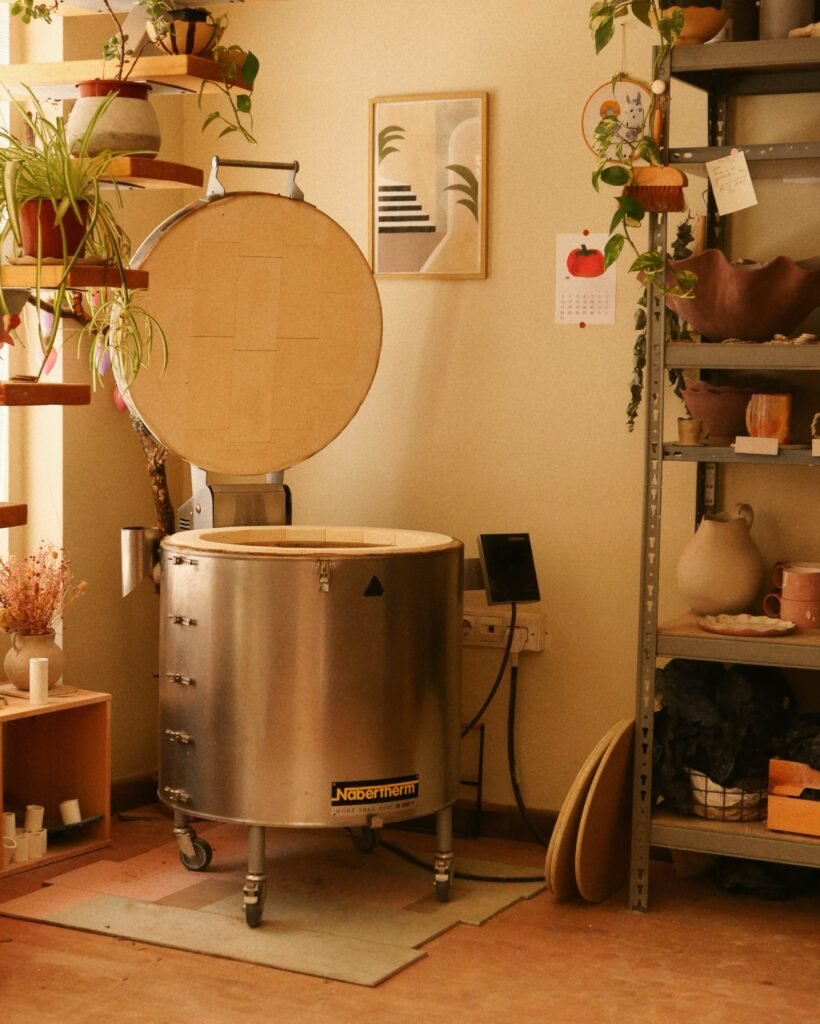
If you have an older pottery kiln, there is a good chance you will eventually encounter a kiln sitter. Unlike a modern digital controller, a kiln sitter does not display a continuously changing temperature or run a programmed firing schedule. It is a mechanical shutoff system that uses a pyrometric cone or bar to determine […]
07
Oct
Oct
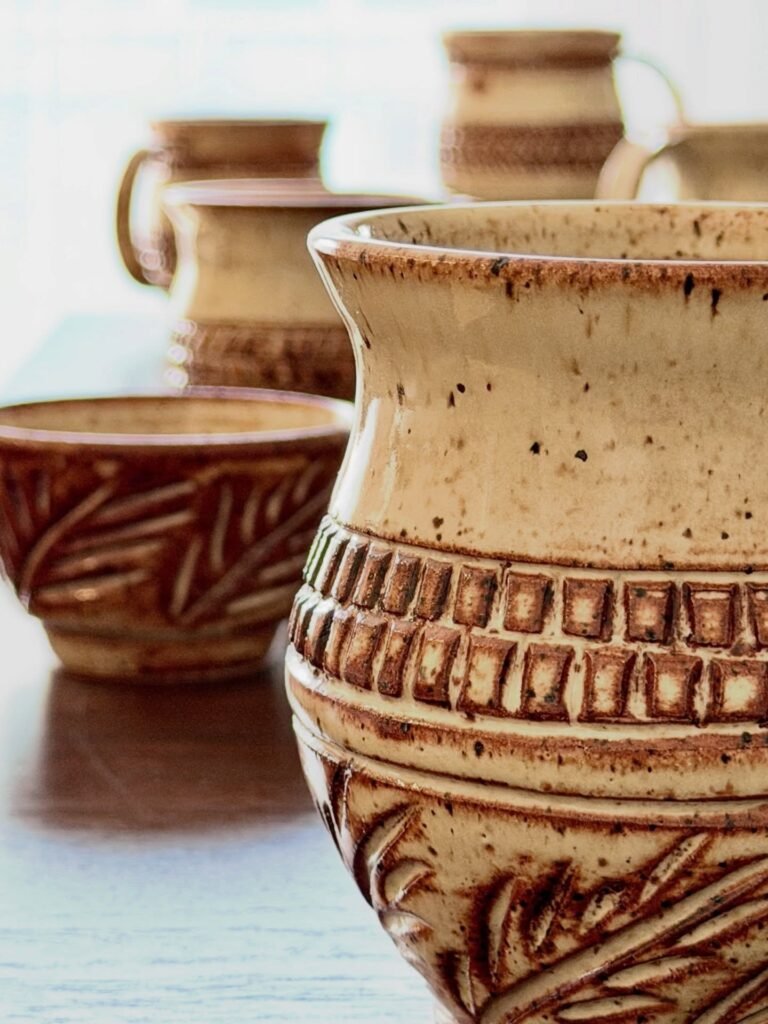
Kiln lid hardware is easy to overlook until the lid stops closing correctly, becomes difficult to lift, develops excessive movement, or starts putting pressure on the refractory material. A pottery kiln lid is more than a piece of insulation sitting on top of the chamber. The lid, hinge system, handle, band, lifter and related hardware all […]
06
Oct
Oct
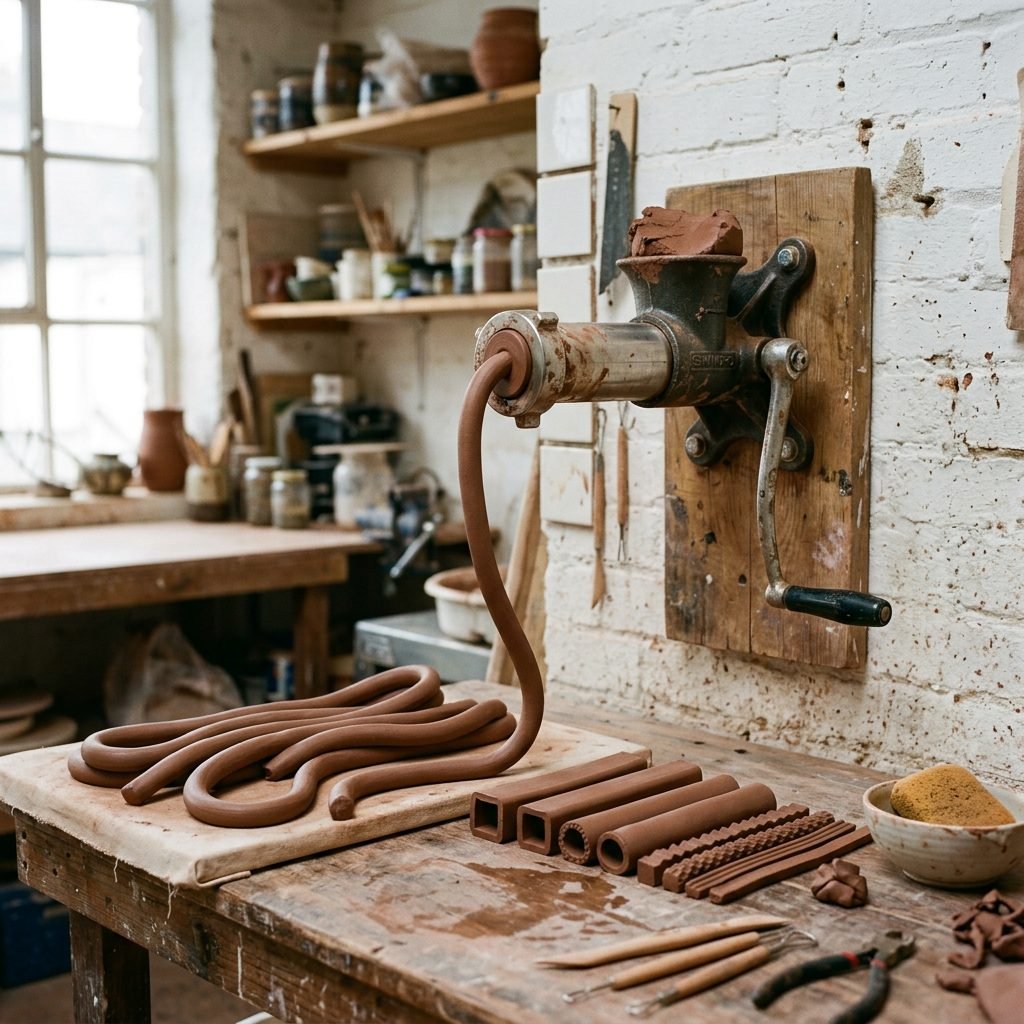
If you are buying kiln shelves, kiln shelf thickness is not a minor specification. It affects how much a shelf weighs, how much it can flex across a span, how it responds to repeated firing, how much vertical space it consumes, and how easy it is to handle. The two thicknesses you will commonly encounter in pottery […]
06
Oct
Oct
Pottery kiln insulation does much more than keep the outside of a kiln from getting hot. It determines how efficiently the kiln retains heat, how much heat escapes through the walls and lid, how the kiln behaves during long firings and how quickly the chamber cools after the elements shut off. That makes insulation an important […]
06
Oct
Oct
Before you buy an electric pottery kiln, figure out the electrical supply first. Not after the kiln arrives. The most important pottery kiln electrical requirements are voltage, amperage, phase, circuit capacity, wiring, breaker protection and the correct receptacle or direct-wire connection. Those requirements vary by kiln model, so there is no single outlet, breaker or wire size […]