Pottery drying cabinet systems give potters more control over one of ceramics’ most frustrating stages: drying greenware evenly enough to prevent cracking, warping, broken attachments, and rushed bisque firings. A drying cabinet is not a shortcut that makes wet clay instantly safe to fire. Instead, it creates a more controlled environment that can help work dry […]
Author Archives: The Kiln Depot
03
Oct
Oct
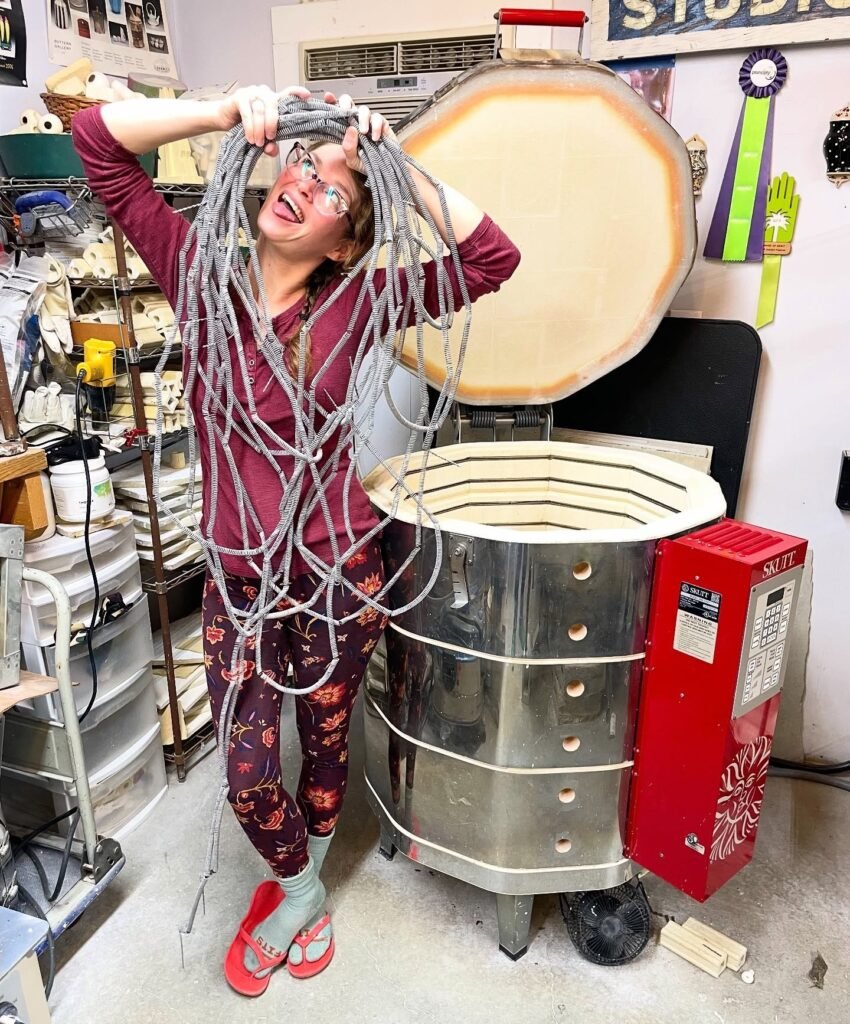
Pottery kiln maintenance protects far more than the kiln itself. A consistent care routine helps prevent failed firings, damaged ware, premature element wear, unsafe electrical conditions, and expensive downtime. Electric kilns are durable, but they work in extreme conditions. They repeatedly heat to ceramic temperatures, cool, expand, contract, and carry heavy loads. Small issues—a loose screw, […]
Pottery kiln electricity cost depends on your kiln’s power rating, firing schedule, local utility rate, load size, and maintenance condition. It is a real studio expense, but it is rarely the only cost that determines whether firing is profitable. The smartest approach is to calculate a reliable estimate for every firing, track the result over time, […]
03
Oct
Oct
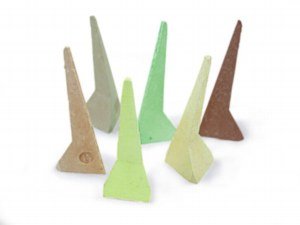
Executive Summary A digital kiln controller is useful, but it is not the final authority on what happened inside your kiln. Witness cones are. A witness cone is a small pyrometric cone placed inside the kiln beside your ware. It bends in response to heatwork—the combined effect of temperature and time—not simply a temperature reading. […]
02
Oct
Oct
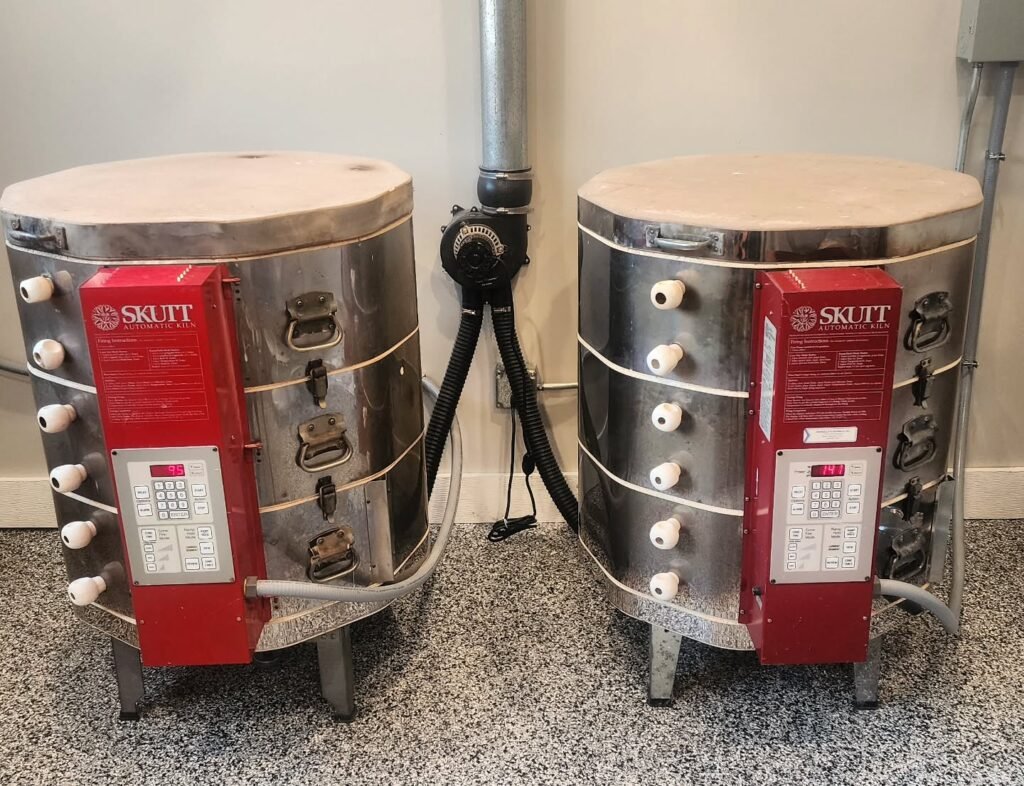
Executive Summary A kiln vent is not a decorative add-on. It is a system designed to move kiln fumes outdoors and support a more consistent firing environment. For many home studios, schools, community art centers, and production pottery spaces, it is one of the most important parts of a safe and practical kiln installation. The […]
02
Oct
Oct
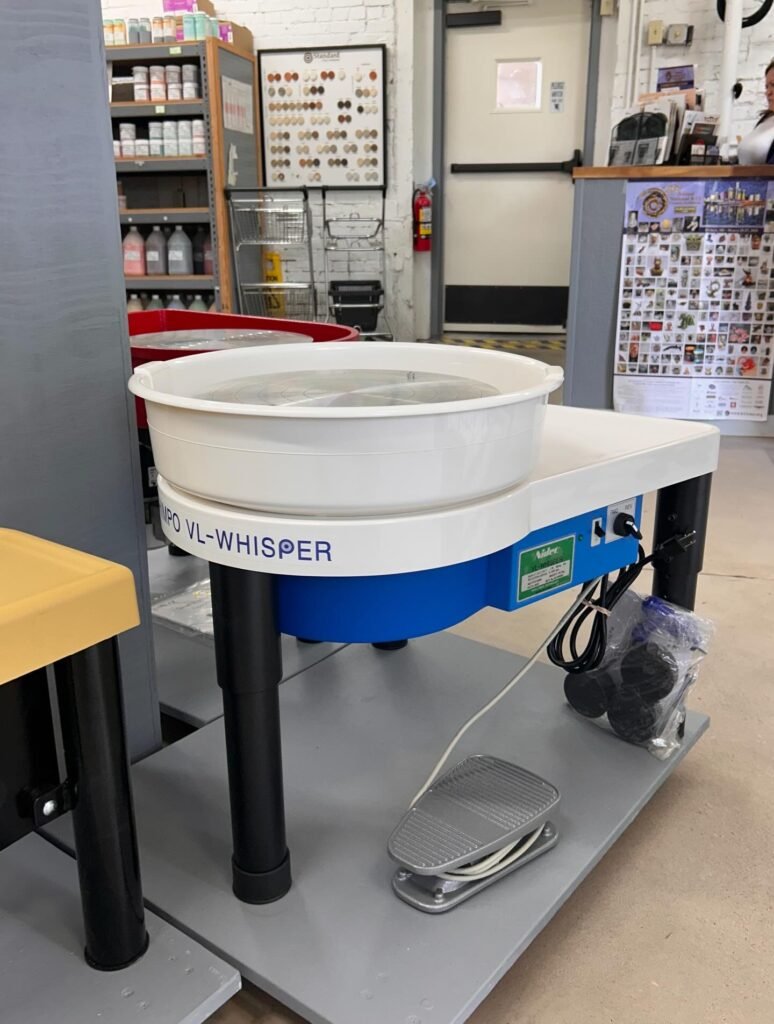
Executive Summary A dependable electric pottery wheel usually costs more than a cheap marketplace listing—and for a reason. Your purchase is not simply a motor and a spinning head. You are buying speed control, torque under pressure, a stable frame, splash-pan design, parts availability, and a warranty that can matter years after checkout. For most […]
01
Oct
Oct
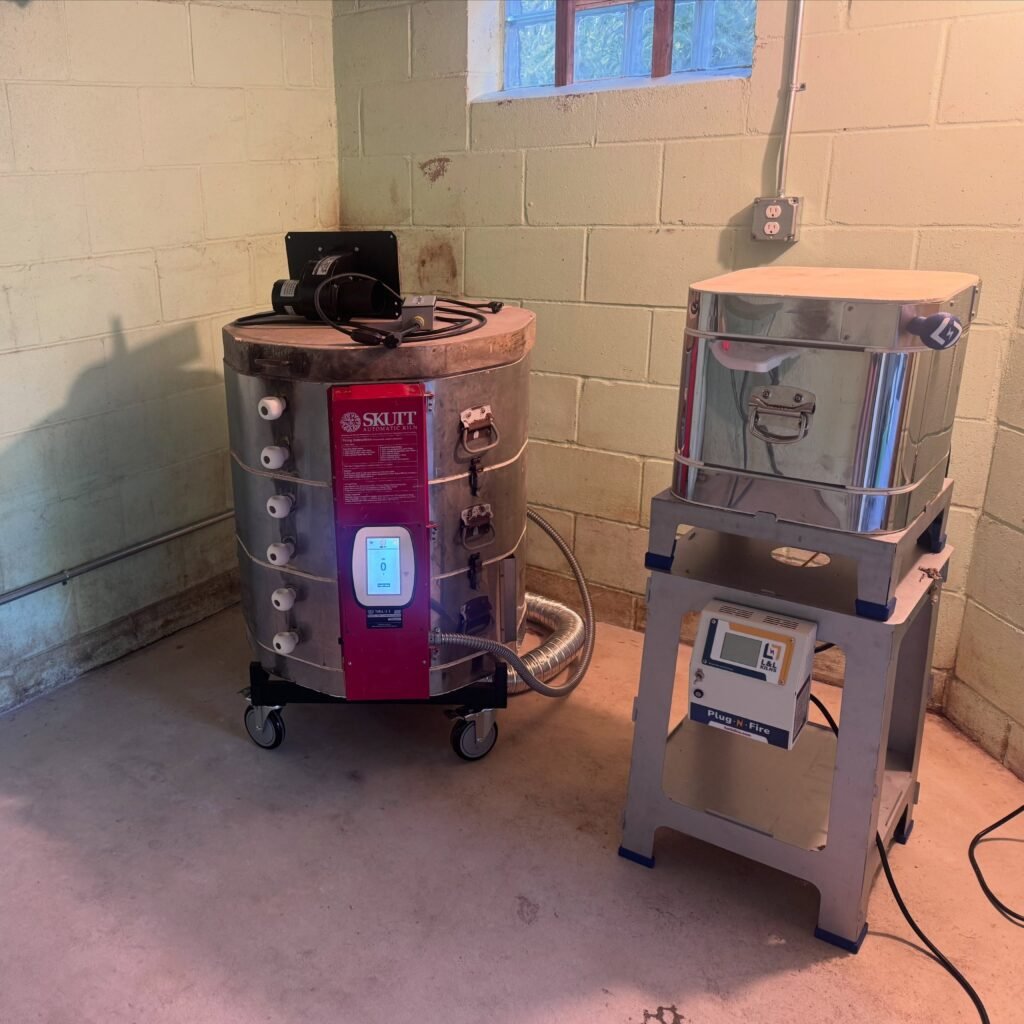
When a kiln breaker trips, do not simply reset it and start the firing again. A circuit breaker is interrupting electrical power because it has detected a condition that requires attention. The cause might be a problem with the kiln, the electrical circuit, the breaker itself, or the relationship between the kiln’s electrical requirements and the […]
A kiln element resistance test can tell you something that a visual inspection cannot: whether the heating elements are electrically within the expected resistance range for your kiln. That matters because kiln elements gradually change as they age. They can become higher in resistance, develop breaks, suffer connection problems, or behave abnormally even when they still look […]
30
Sep
Sep
A good kiln firing schedule is not simply a matter of entering a final temperature into your kiln controller and pressing Start. The firing rate, temperature range, hold time, moisture removal, clay body, glaze, load, and kiln itself all affect the result. That is why two firings that reach the same final temperature can produce different results. […]
30
Sep
Sep
If you own a pottery kiln, pyrometric cones are one of the simplest tools you can use to find out what actually happened during a firing. Your kiln controller can tell you the temperature it measured. A thermocouple can tell the controller when to change the firing program. But neither one directly tells you the total heatwork […]