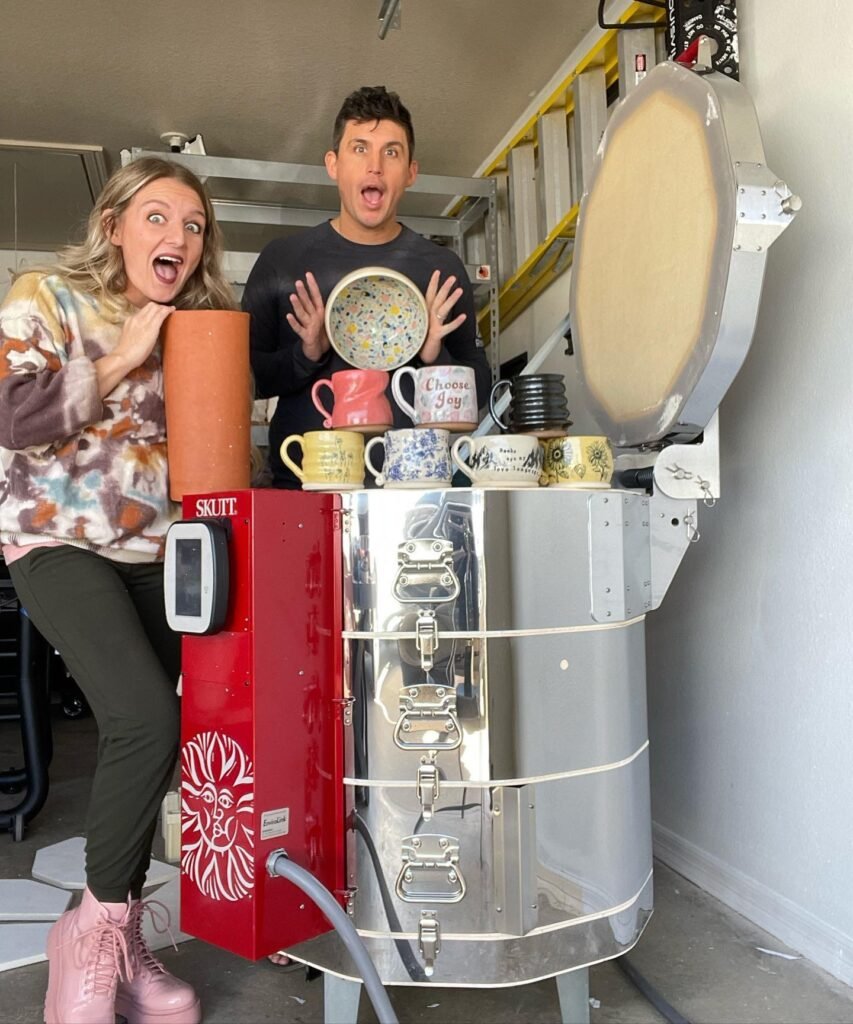
Loading a pottery kiln looks simple until you lose a piece because something was packed too tightly, placed too close to the wall, or stacked without enough room for heat to move. The good news is that proper kiln loading does not require complicated equipment or years of experience. Instead, a few consistent habits can […]
Category Archives: Equipment Guides
09
Sep
Sep
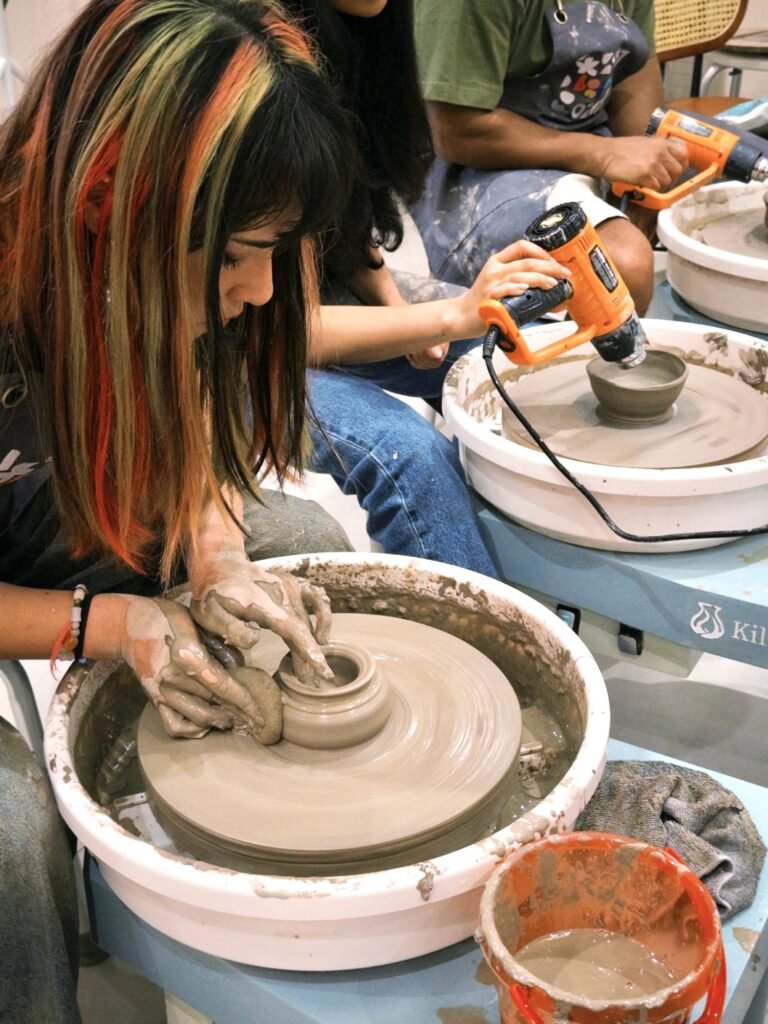
A pottery wheel’s clay capacity tells you how much clay the machine is designed to handle, but the number alone does not tell the whole story. Two wheels may advertise similar clay capacities while feeling very different when you center a heavy lump. Motor power, torque, wheelhead size, construction, speed control, and your throwing technique […]
09
Sep
Sep
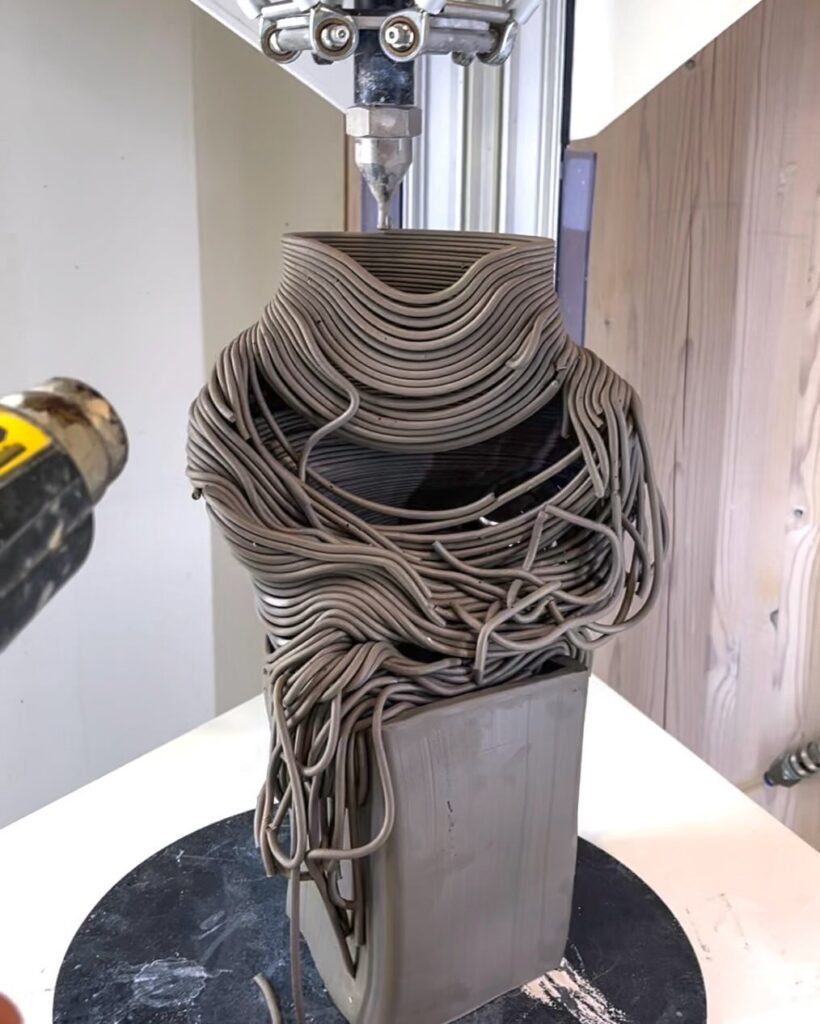
A clay 3D printer can turn a digital design into a physical ceramic form by depositing clay layer by layer. For some potters, that opens an entirely new way to work. For others, a pottery wheel or hand-building tools still make more sense. The technology is becoming increasingly relevant in ceramic studios. A pottery discussion […]
You do not need to buy a pottery kiln as soon as you start making ceramics. For many potters, using a community studio or local firing service makes more sense at first. However, regular firing costs, long trips, limited kiln schedules, and growing production can eventually make owning a kiln worthwhile. So, when should you […]
A used pottery kiln can be one of the smartest ways to lower the cost of building a home ceramics studio. It can also become an expensive mistake if you buy an old kiln without checking its condition, electrical requirements, and replacement parts. The good news is that you don’t need to be a kiln […]
08
Sep
Sep
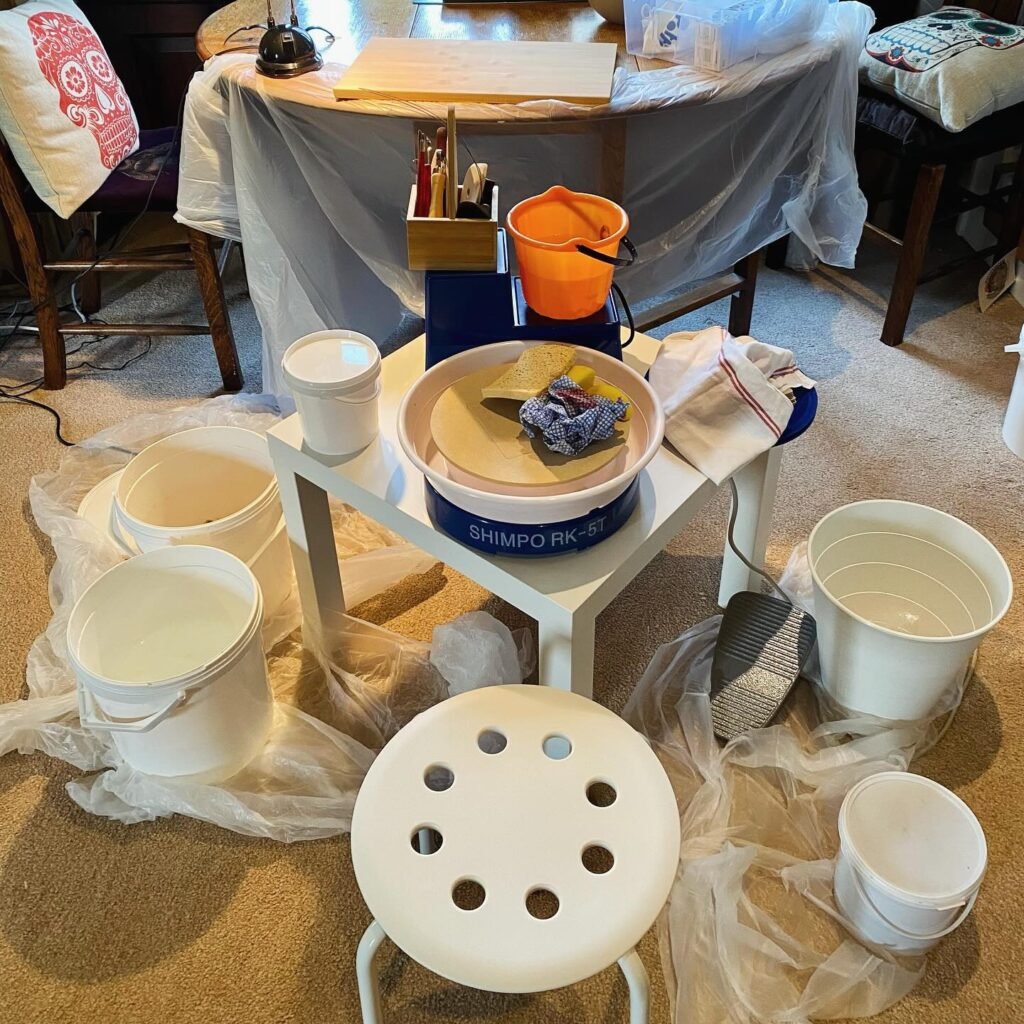
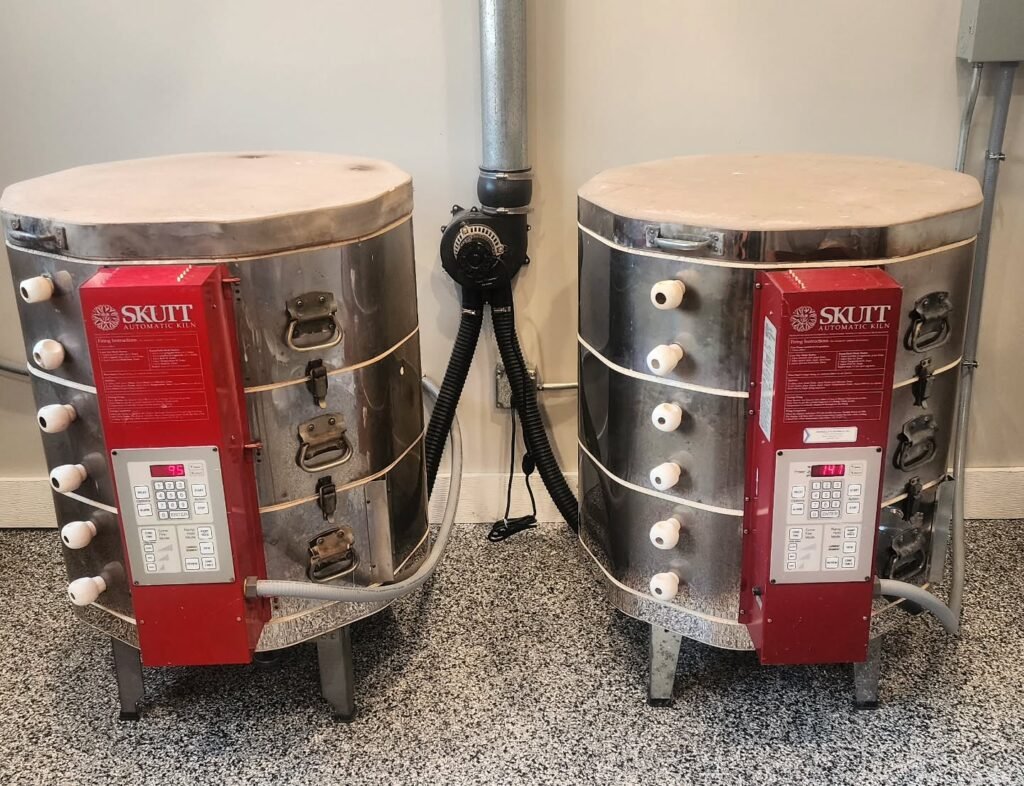
If you’re comparing the Shimpo VL-Lite vs Aspire, you’re probably looking for a pottery wheel that takes up less space without forcing you into the cheapest equipment available. Both wheels appeal to beginners and home potters, especially those working in small studios or multipurpose rooms. However, they are not necessarily the right choice for the […]
08
Sep
Sep
Pottery kiln ventilation is one of the most important things to plan before installing an electric kiln at home. A kiln can reach extremely high temperatures, and firing can release fumes and vapors from clay, glazes, kiln wash and other materials. Fortunately, good ventilation doesn’t have to make a home pottery studio complicated. The key […]
08
Sep
Sep
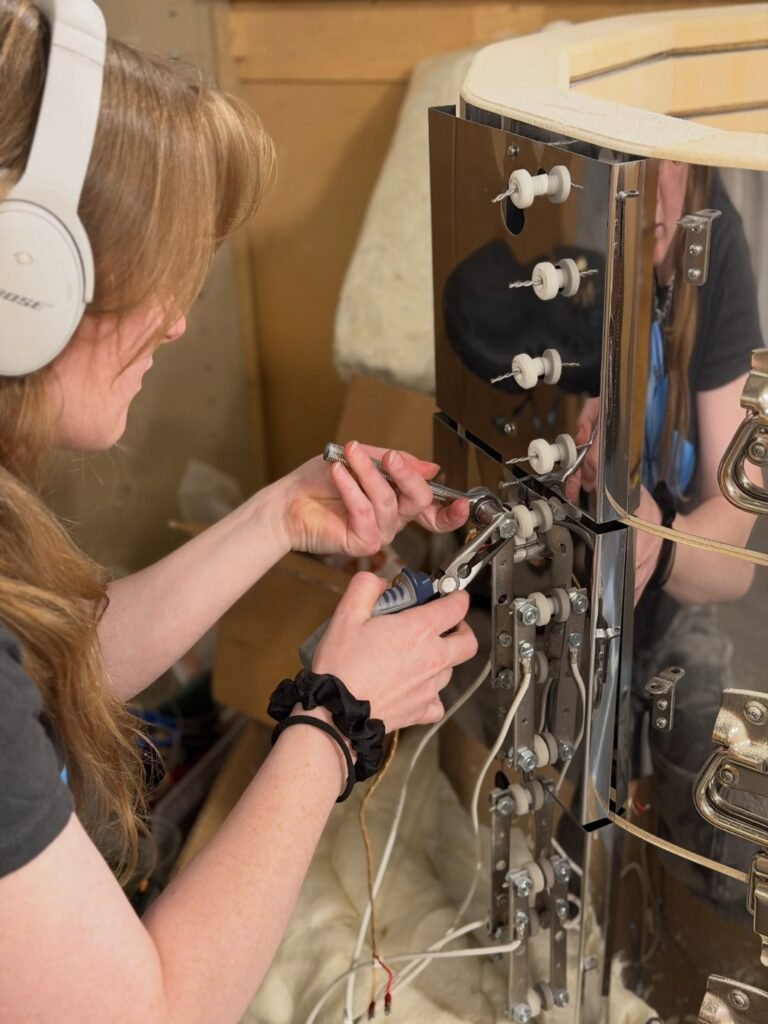
Not sure whether your kiln elements are wearing out? Learn seven warning signs, what causes element failure and when replacement makes more sense than continued troubleshooting.

08
Sep
Sep
A mini pottery wheel can make home pottery easier when space is tight. Here’s what adults should consider before choosing a compact wheel over a full-size model.
07
Sep
Sep
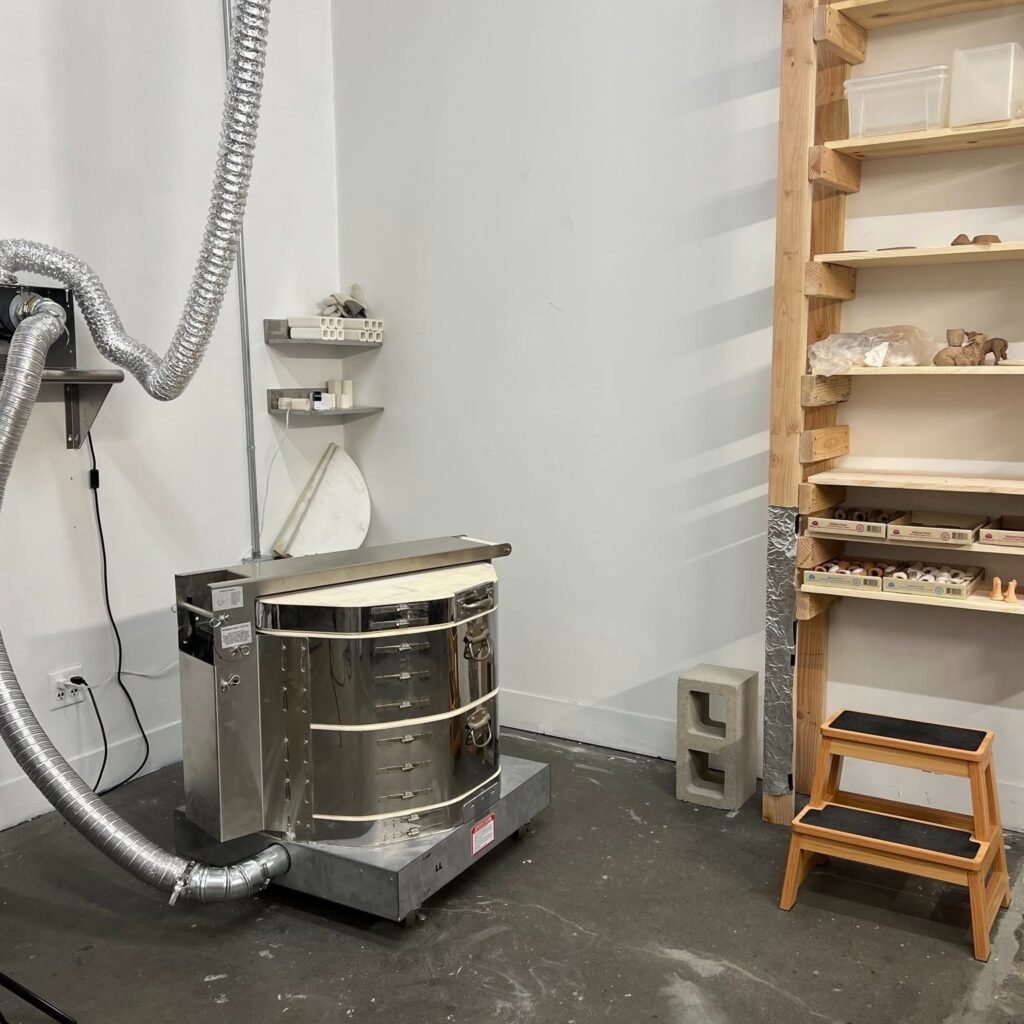
Running a pottery kiln at home? Learn how kiln ventilation works, when you need a vent system, and how to manage fumes safely in a home studio.