A pottery banding wheel is one of those studio tools that looks almost too simple to matter. There is no motor, complicated controller, or elaborate mechanism. Instead, you get a rotating platform that lets you turn your pottery while keeping both hands focused on the work. That simplicity is exactly what makes a pottery banding […]
Category Archives: Pottery wheel
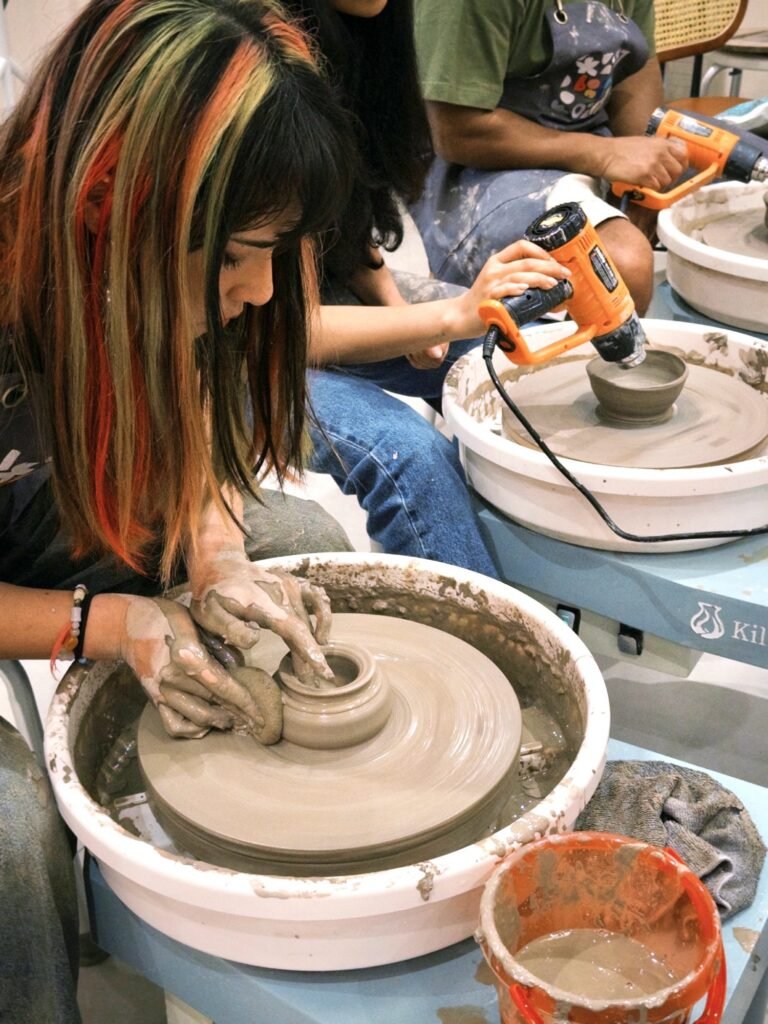
Kick wheel pottery looks almost old-fashioned compared with today’s electric pottery wheels. There is no motor humming underneath the table and no electronic speed control under your foot. Instead, the potter controls the wheel with a foot-powered flywheel and the rhythm of their own movement. That simplicity is exactly why some potters still love kick […]
09
Sep
Sep
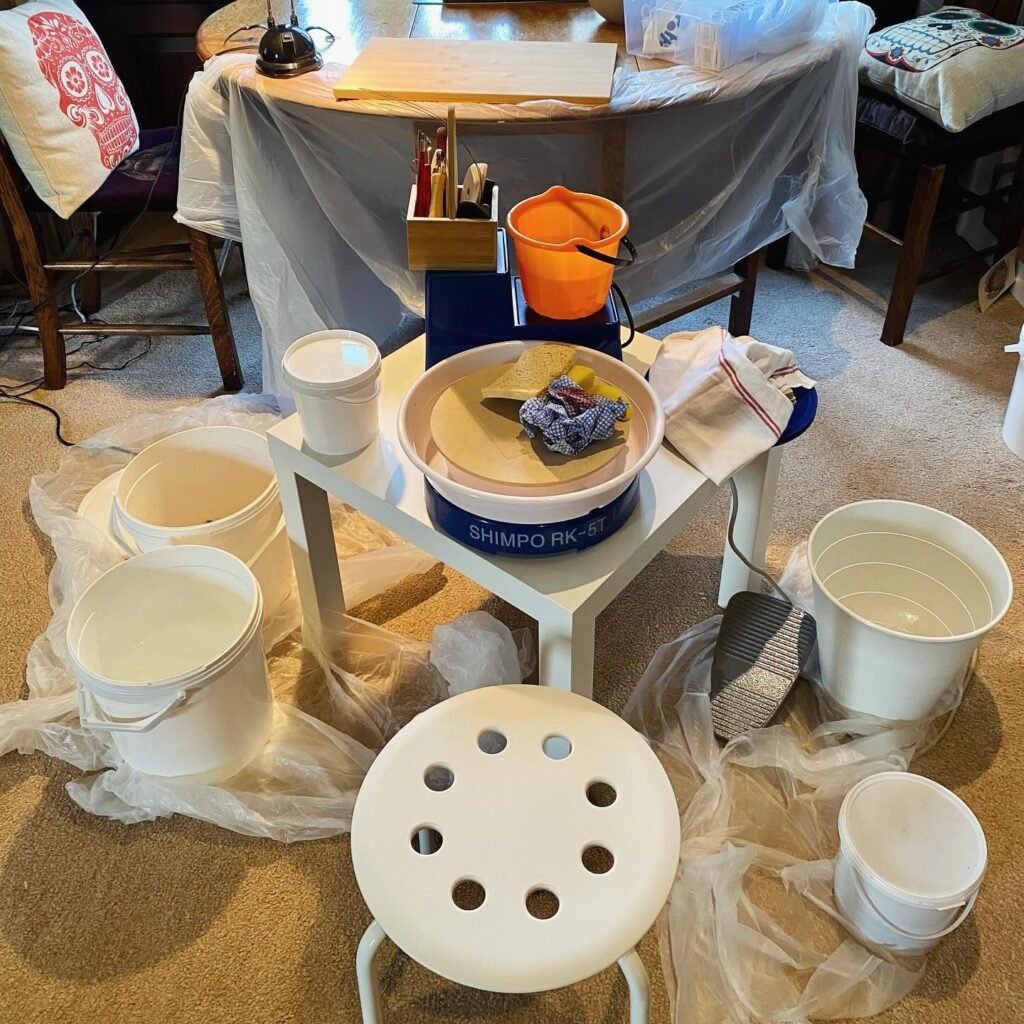
A pottery wheel’s clay capacity tells you how much clay the machine is designed to handle, but the number alone does not tell the whole story. Two wheels may advertise similar clay capacities while feeling very different when you center a heavy lump. Motor power, torque, wheelhead size, construction, speed control, and your throwing technique […]
08
Sep
Sep
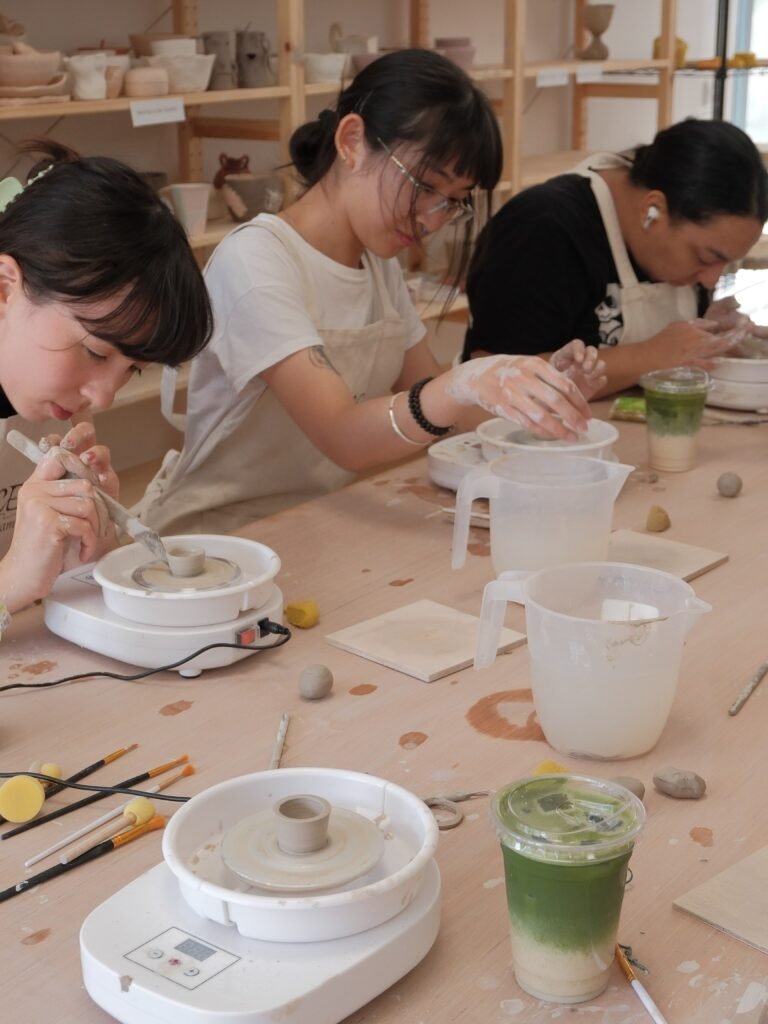
If you’re comparing the Shimpo VL-Lite vs Aspire, you’re probably looking for a pottery wheel that takes up less space without forcing you into the cheapest equipment available. Both wheels appeal to beginners and home potters, especially those working in small studios or multipurpose rooms. However, they are not necessarily the right choice for the […]
08
Sep
Sep
A mini pottery wheel can make home pottery easier when space is tight. Here’s what adults should consider before choosing a compact wheel over a full-size model.
How to center clay on a pottery wheel comes down to steady hands, firm pressure, and real patience. Centering is widely considered the hardest skill for beginners to learn. Everything else, opening, pulling, and shaping, depends entirely on getting this first step right. This guide walks through the real technique, common mistakes, and how to […]
Pottery wheel noise in an apartment usually comes from two different sources. Each one needs its own fix. Structural noise travels through the floor and walls as a low rumble your neighbors feel more than hear. Airborne noise, like a whining motor, travels straight through the air instead. Knowing which type you’re dealing with tells […]
Learning how to clean a pottery wheel properly comes down to five real steps. Unplug it first. Scrape off dried clay next. Wipe every surface down, rinse carefully, then let it dry fully before reassembling. Regular cleaning prevents rust, stops screws from seizing, and keeps your motor running for years instead of months. Skip this […]
Wheel throwing vs hand building comes down to one real tradeoff. Hand building is easier for most beginners starting pottery for the first time. You get a satisfying result sooner, and you keep more direct control over the clay at every step. Wheel throwing takes longer to feel natural. Centering the clay is a real […]
05
Sep
Sep
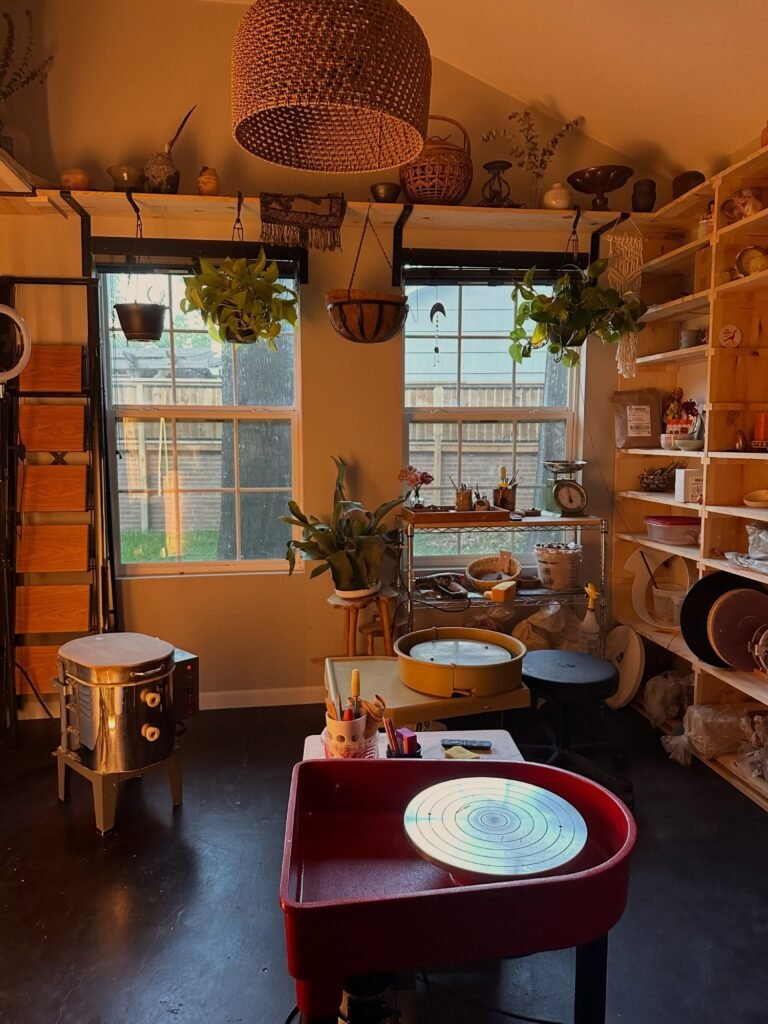
A basic home pottery studio still costs $500 to $1,000 for a simple wheel and hand tools. A more complete setup, with a real wheel and your own kiln, runs $1,500 to $4,000. Community studio membership is the cheapest way to try pottery first, often just $40 to $80 a month. The real cost decision […]