Learning how to clean a pottery wheel properly comes down to five real steps. Unplug it first. Scrape off dried clay next. Wipe every surface down, rinse carefully, then let it dry fully before reassembling. Regular cleaning prevents rust, stops screws from seizing, and keeps your motor running for years instead of months. Skip this step regularly, though, and clay buildup becomes a real problem that’s much harder to fix later.
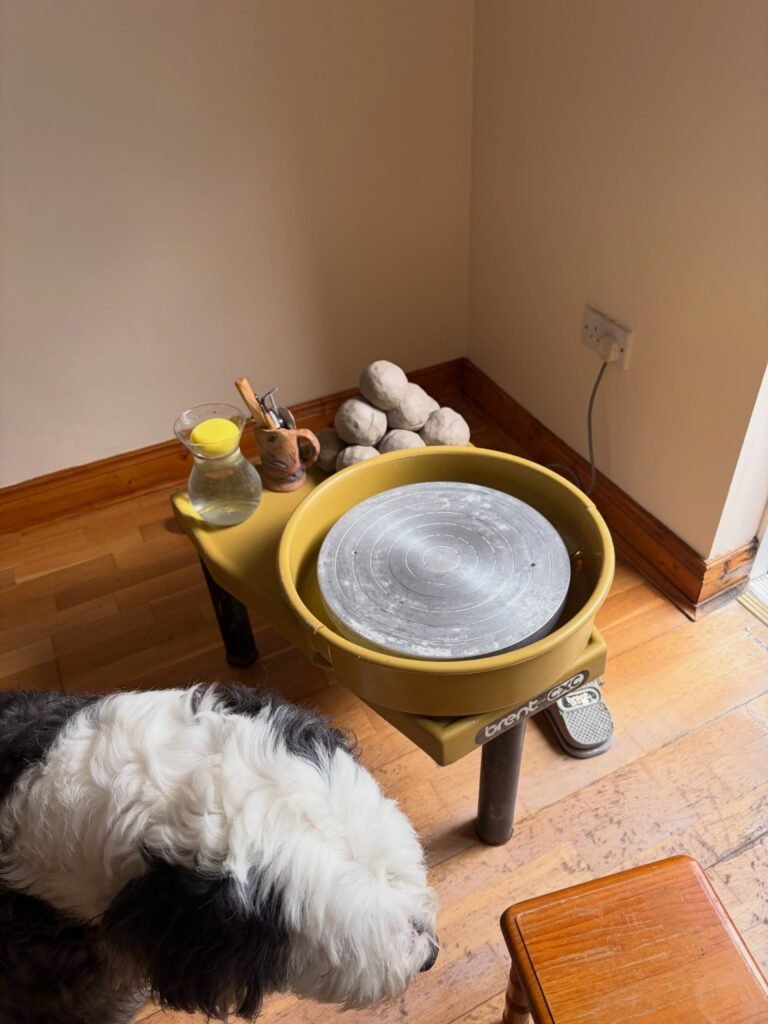
How to Clean a Pottery Wheel Safely: Always Unplug First
Unplug your wheel before touching any cleaning supplies. Water and electricity are a genuinely dangerous combination. A motor or circuit board ruined by moisture is a real, expensive mistake that’s completely avoidable too.
Never spray your wheel down with a hose, no matter how tempting that feels after a messy session. A damp sponge does the job safely instead. A hose pushes water into places it can genuinely damage.
Scrape Off Dried Clay First
Use a metal rib or wire tool to scrape away dried clay before you introduce any water. This removes the bulk of the mess quickly. You’re not just smearing dried clay around with a wet sponge later.
Wear a mask if the clay has fully dried. Dry clay dust isn’t something you want to breathe in regularly. This matters more than people expect too, especially if you’re cleaning your wheel often.
Clean the Wheel Head Properly
Mix warm water with a mild detergent, like basic dish soap. Use a soft-bristled brush or sponge on the wheel head. This is where most of your actual work happens, so it deserves the most careful attention.
Avoid harsh or acid-based cleaners entirely, though. They can cause rust and corrosion on metal components over time. That undoes the exact protection regular cleaning is supposed to provide.
Don’t Forget the Splash Pan
Empty your splash pan and wipe it down with a damp cloth or sponge. Clay scraps and standing water both sit here after almost every session. Leaving them can cause real buildup over time.
Rinse the pan thoroughly, then dry it completely before putting it back. A damp splash pan just invites fresh clay to stick again next time you sit down to throw.
Clean the Smaller Parts Too
Bat pins, the foot pedal, and the axle and bearing area all need regular attention too. They’re easy to forget otherwise. Clay residue here can seize screws or hide problems you’d otherwise catch early.
Remove bat pins periodically if your wheel allows it. Parts that sit untouched for a long time are exactly the ones most likely to seize up. That’s when you finally need to adjust them and can’t.
Dry Everything Fully Before You Stop
Use a clean towel to dry every surface once you’ve finished rinsing. Lingering moisture invites rust on metal parts and can even encourage mold in humid climates.
Let your wheel air dry for a few hours before your next session if possible. Getting water or soap onto fresh, wet clay ruins your next piece before you’ve even started.
How Often You Should Actually Clean
Wipe down the wheel head and splash pan after every single session, without exception. This quick habit prevents most of the buildup that eventually turns into a real problem.
A deeper clean works well on a weekly basis for anyone throwing regularly. This covers bat pins, the foot pedal, and the axle area. Occasional hobbyists can space this out further, but the same basic principle still applies. Waiting too long between deep cleanings lets small issues turn into real ones.
The Few Tools You Actually Need
A soft-bristled brush and a couple of sponges handle most routine cleaning. A metal rib or wire tool takes care of dried clay scraping before you introduce any water.
Mild dish soap works for the wheel head and splash pan. Save vinegar for tougher, more stubborn stains instead. It cuts through buildup a plain soap and water mix sometimes can’t fully remove.
Signs Your Wheel Needs More Than Routine Cleaning
Unusual noises often mean trapped clay or debris somewhere in the mechanism. A thorough clean frequently solves this before it becomes a real mechanical problem.
Inconsistent speed or a wobbling wheel head point to something beyond normal cleaning, though. A loose belt might be the cause. So might a worn motor or a poorly seated wheel head. All three need real inspection instead of another cleaning pass.
A Note on Direct-Drive Wheels
Direct-drive wheels have fewer exposed moving parts than belt-driven models, which genuinely simplifies routine cleaning. There’s no belt tension to worry about disturbing, and fewer crevices exist for clay to hide in.
This doesn’t mean you can skip cleaning entirely, though. The wheel head, splash pan, and foot pedal still need the same regular attention. That’s true no matter which drive system your wheel uses.
Recommended Wheel Built for Easy Maintenance: Shimpo Aspire
A dependable wheel with accessible components, making routine cleaning genuinely straightforward rather than a fight to reach hidden parts.
What to Avoid Doing
Never use a pressure washer or high-powered hose on any part of your wheel too. This pushes water into the motor housing, which causes real, often irreversible damage.
Avoid letting clay sit and dry for days between cleanings too. Fresh clay wipes away easily. Dried clay requires scraping, more time, and more effort to fully remove.
Build Cleaning Into Your Regular Routine
Clean your wheel after every session, not just when it looks obviously dirty. Skutt notes in its own equipment safety guidelines that regular maintenance meaningfully extends real working life. This holds true across all studio equipment, not just kilns.
A few extra minutes after each session genuinely saves real time and money later. Consistent care prevents most of the serious problems that eventually need a technician instead of a sponge.
Ready to Find a Wheel That’s Easy to Maintain?
So browse our complete pottery wheel collection to find a model built for years of reliable, low-maintenance use.
