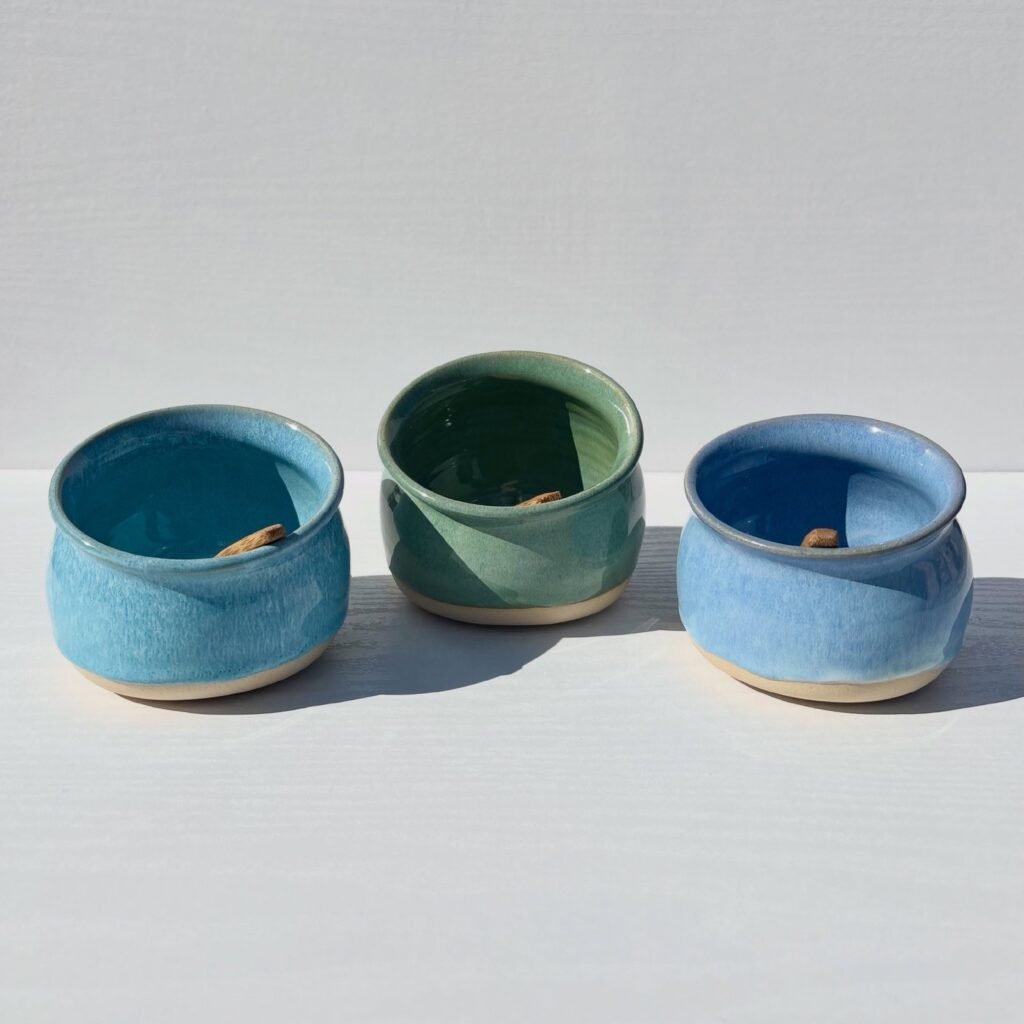
Salt glaze pottery has a distinctive orange-peel surface and handmade character. Learn how salt firing works, what makes the technique different and what potters need to know before trying it.
Category Archives: Pottery Techniques
A plain clay surface can be beautiful. However, pottery texture techniques can give a simple form considerably more character without requiring complicated decoration. Today, ceramic artists are putting more emphasis on tactile surfaces, visible handwork and marks that make each piece feel individual. Current ceramics coverage includes everything from carved surfaces and traditional Japanese techniques […]
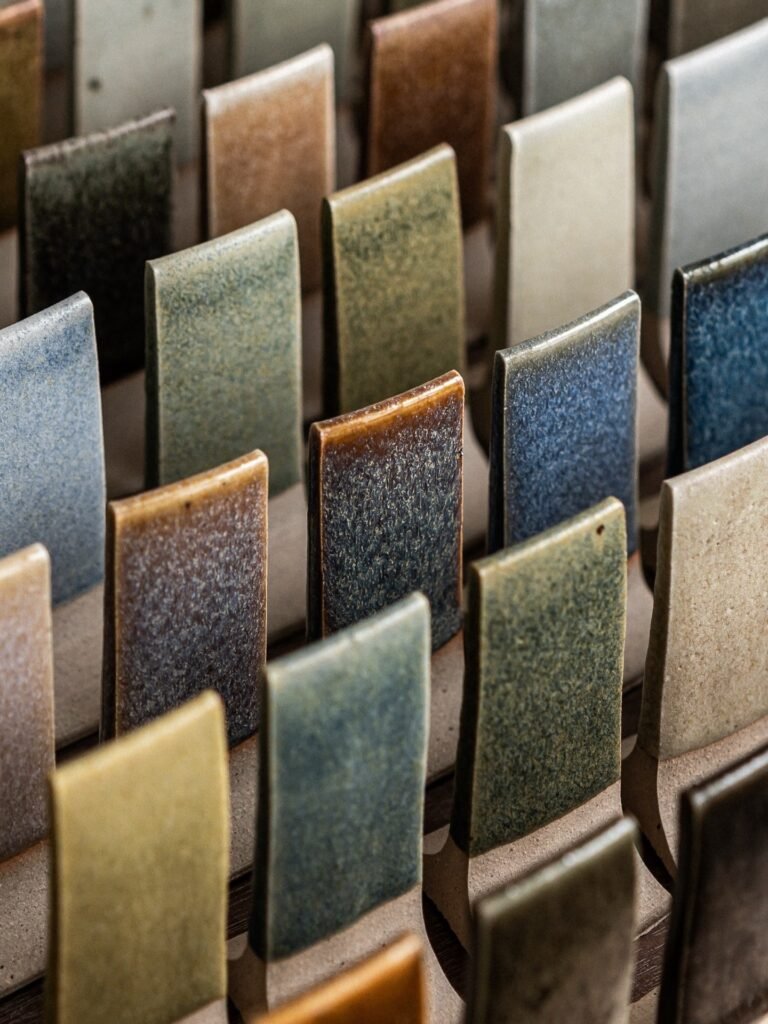
Reactive glazes are popular because they create variation instead of a perfectly uniform surface. During firing, they can produce flowing colors, pooling, speckling, breaking and other effects that make each ceramic piece look slightly different. That unpredictability is a big part of their appeal. In 2026, ceramic design is increasingly moving toward earthy colors, organic […]
07
Sep
Sep
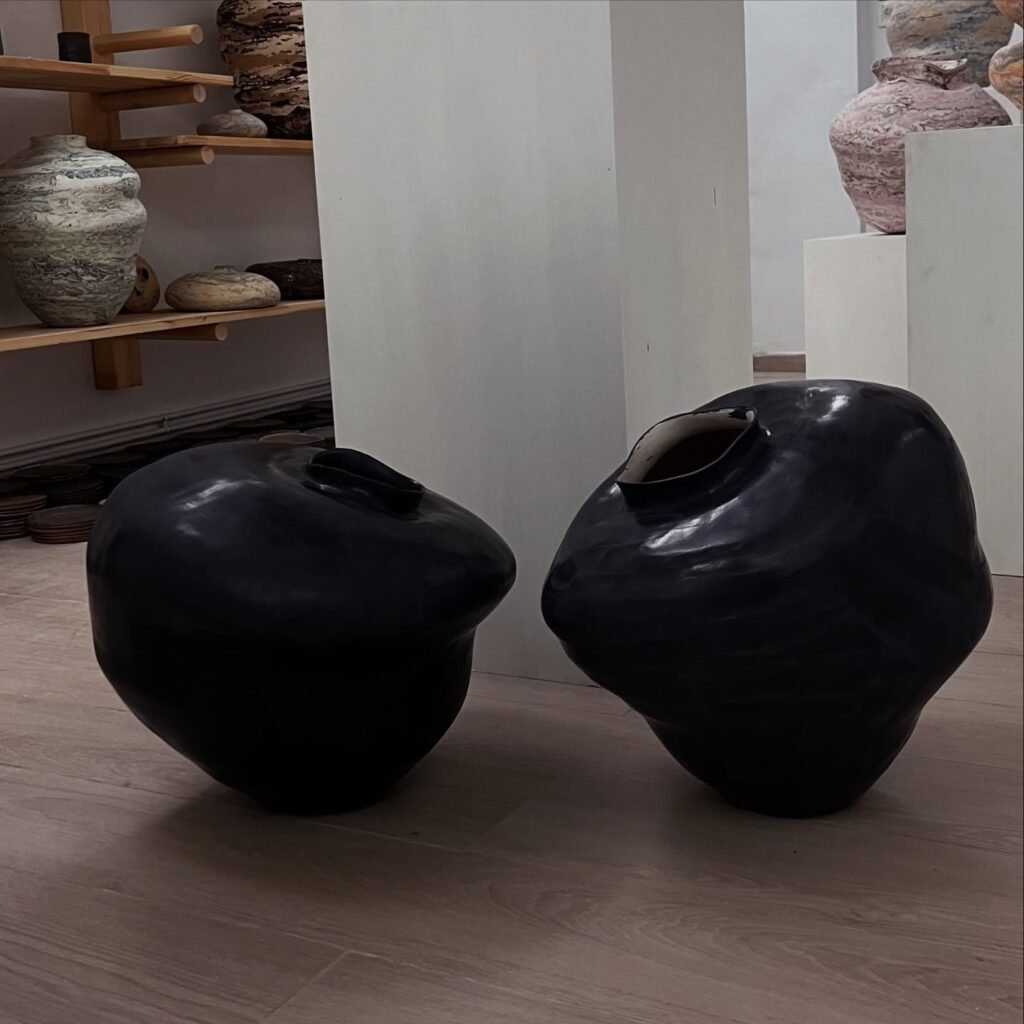
Terra sigillata creates a smooth, refined ceramic surface without relying on traditional glaze. Learn how to apply, burnish, test, and fire it successfully.
07
Sep
Sep
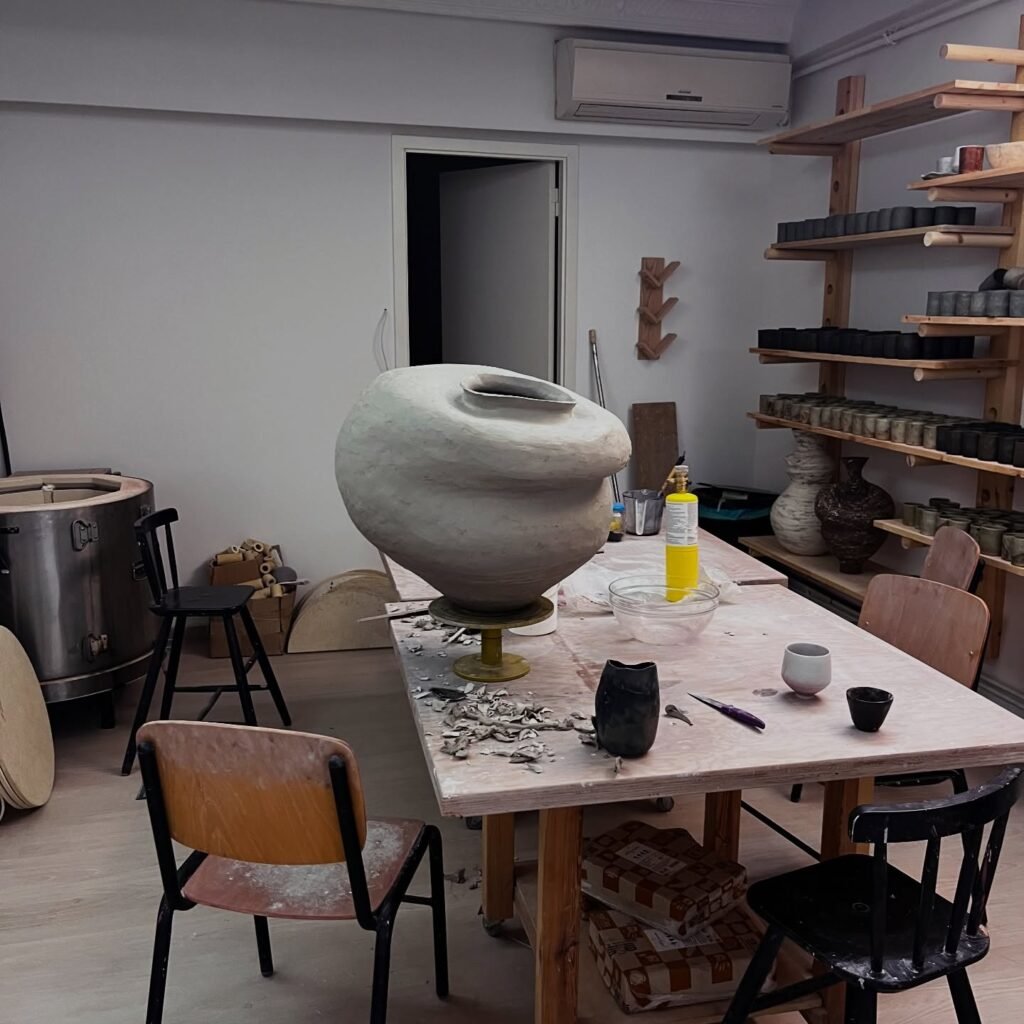
Underglaze on pottery gives you much more control over color, line, and surface decoration than many beginners expect. You can brush it onto greenware or bisqueware, build up several layers, carve through it, and often cover it with a clear glaze before firing. That flexibility makes underglaze useful for both simple pottery projects and highly […]
07
Sep
Sep
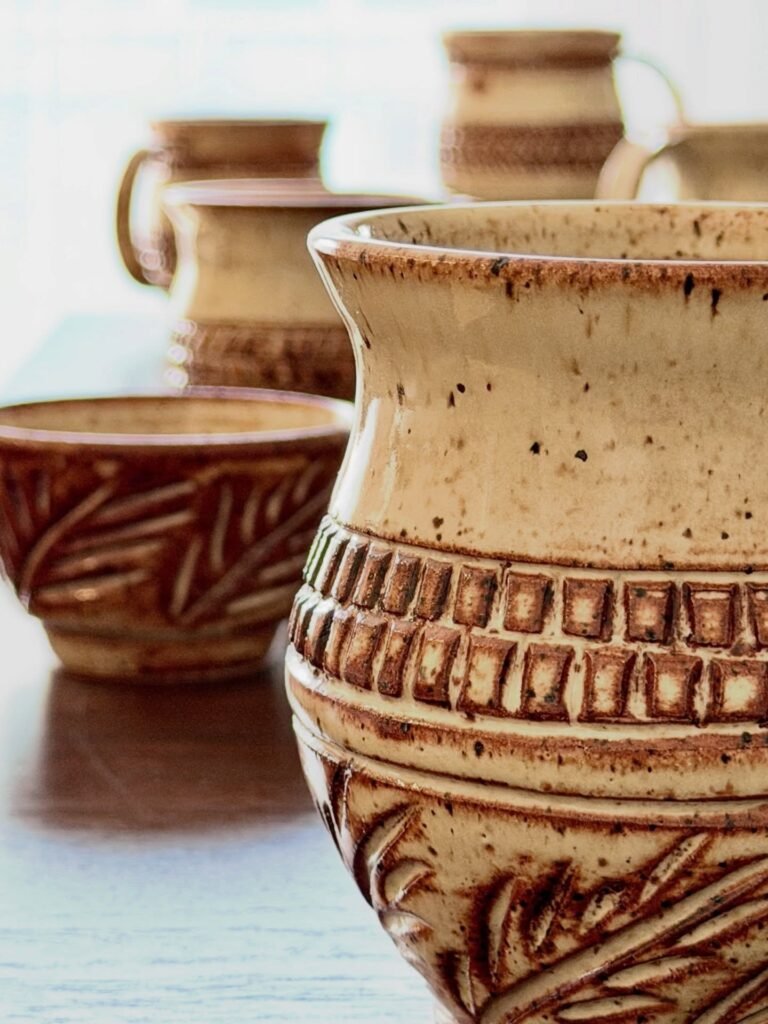
Pottery texture can turn a simple form into something much more distinctive. You can press patterns into wet clay, carve leather-hard surfaces, roll textures into slabs, or build raised details onto a finished form. The best part is that you do not need an advanced studio to start. In fact, many useful texture tools are […]
07
Sep
Sep
If your glaze shelf is already full but your finished pottery is starting to look a little too predictable, pottery glaze layering is one of the easiest ways to create new surfaces without buying an entirely new collection of glazes. Layering two compatible glazes can produce depth, movement, color variation and reactions that neither glaze […]
Decorating pottery is an essential aspect of ceramic artistry, allowing artists to add texture, color, and intricate details to their work. There are numerous decorative techniques, each offering unique aesthetics and effects. Whether using carving, painting, or glazing, potters can enhance their pieces significantly. Popular Decorative Techniques Sgraffito Sgraffito is an ancient technique where a […]
While wheel-throwing creates symmetrical forms, hand-building allows for unique and organic shapes. Many potters combine both techniques for artistic flexibility. Understanding the strengths and limitations of each method helps artists make informed choices about their work. What is Hand-Building? Hand-building is one of the oldest pottery techniques, involving shaping clay without the use of a […]
Understanding Kilns and Firing Techniques Firing is a crucial step in pottery making. Kilns can be electric, gas, or wood-fired, and each provides different effects on the finished pottery. The type of kiln and firing technique chosen significantly impact the durability, color, and texture of the final piece. Types of Kilns Electric Kilns Electric kilns […]
- 1
- 2