Buying a pottery wheel is only the beginning.
Sooner or later, you may hear another term thrown around: pottery wheel bat system.
For beginners, it can sound like another piece of equipment you absolutely have to buy. Fortunately, that is not the case.
A bat system can make pottery throwing much easier, especially when you want to remove pieces from the wheel without touching or distorting them. However, not every potter needs an elaborate setup from day one.
So, do you actually need a bat system for a pottery wheel?
The short answer is no.
However, if you plan to make plates, bowls, larger forms, or multiple pieces during a session, a good bat system can quickly become one of the most useful accessories in your studio.
What Is a Pottery Wheel Bat?
A pottery bat is a removable surface that attaches to the wheel head.
Instead of throwing directly on the metal wheel head, you throw your piece on the bat.
Once the piece has been made, the bat can be removed from the wheel and placed on a shelf or drying area.
That simple change can make a surprisingly big difference.
Without a bat, removing a freshly thrown piece often means cutting it off the wheel and carefully lifting it. Unfortunately, that can distort soft clay.
With a bat, the piece can stay exactly where it was thrown.
You simply remove the bat and move the entire piece.
For many potters, that convenience becomes more important as their production increases.
Why Do Potters Use Bat Systems?
The biggest advantage is simple: you can move your work without touching the pot itself.
Imagine throwing a wide dinner plate.
The clay is still soft, the rim is delicate, and the bottom is sitting directly against the wheel head.
Trying to remove that plate can easily cause warping.
A bat gives you another option.
Instead of picking up the plate, remove the bat and leave the piece undisturbed.
The same principle works for large bowls, platters, tiles and other forms that are difficult to handle immediately after throwing.
Additionally, bats can speed up a production workflow.
You can throw one piece, remove the bat, place it on a shelf, and immediately install another bat.
That means you spend less time waiting for clay to stiffen enough to move.
Do Beginners Need a Bat System?
Not necessarily.
If you are taking your first pottery class, you can usually learn the fundamentals without purchasing a complete bat system.
Centering, opening, pulling walls and shaping clay are the skills that matter most at the beginning.
You do not need a studio full of accessories before you learn those fundamentals.
Still, a bat system becomes more useful once you start making pieces that are difficult to remove.
For example, plates and wide bowls can be frustrating to lift from the wheel. Therefore, beginners who want to practice these forms at home may benefit from having bats sooner rather than later.
The important point is to buy the accessory because it solves a problem, not because you think every potter is supposed to own one.
Bat Pins vs. Bat Systems
There are two common approaches.
The traditional setup uses bat pins.
Small pins are installed in the wheel head, and holes in the bat fit over those pins. This keeps the bat aligned while you throw.
It is a simple and proven system.
Some wheels come with bat pins already installed. For example, Skutt lists bat pins among the included equipment on its Legend pottery wheel. oai_citation:1‡Skutt Kilns
A more complete bat system may use a mounting plate, ring, or specialized attachment mechanism.
These systems can make changing bats faster and may offer additional flexibility depending on the design.
Consequently, the best option depends partly on the wheel you already own.
Before buying anything, check your wheel head diameter and mounting configuration.
Can You Throw Without Bat Pins?
Yes.
A bat system does not always require permanently drilled holes in your wheel head.
Some systems are designed specifically to avoid drilling.
That can be useful if you own a wheel without bat pins or if you do not want to modify the wheel.
There are also alternatives such as removable mounting systems and plaster bat setups.
Skutt, for instance, has offered a Cuphead System designed to allow potters to make their own plaster bats. The system replaces the wheel head and allows the bats to drop into place. oai_citation:2‡Skutt Kilns
Therefore, do not assume that buying a new wheel is necessary simply because your current wheel does not have the setup you want.
Which Bat Material Is Best?
Pottery bats come in several materials, and each has advantages.
Plastic bats are popular because they are durable, easy to clean and resistant to moisture.
Wooden bats are also common and can provide a traditional throwing surface.
Masonite-style bats are another familiar option, particularly for potters who want an affordable solution.
Plaster bats are different.
Because plaster absorbs moisture, some potters use them when they want the bottom of a piece to firm up while remaining on the bat.
The right material therefore depends on what you make.
If you mostly throw mugs and small bowls, a simple plastic or wooden bat may be all you need.
If you frequently make plates or larger forms, experimenting with different bat materials can be worthwhile.
What Size Bat Should You Buy?
Match the bat to the work you actually make.
A bat that is too small can limit the size of your pieces.
On the other hand, buying enormous bats for small cups and mugs can waste storage space.
A common approach is to have several sizes available.
Small bats work well for mugs, cups and small bowls.
Medium bats are useful for everyday throwing.
Larger bats become valuable when making plates, platters and wide forms.
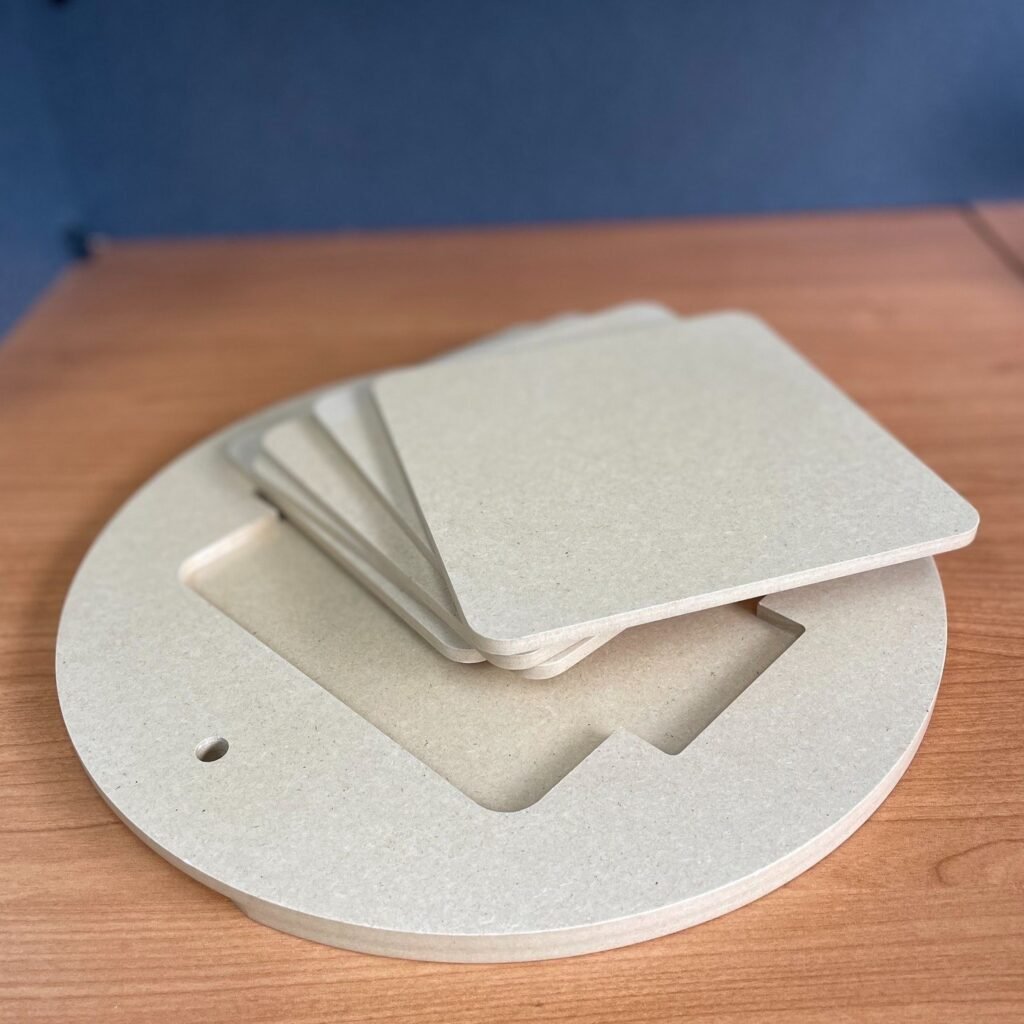
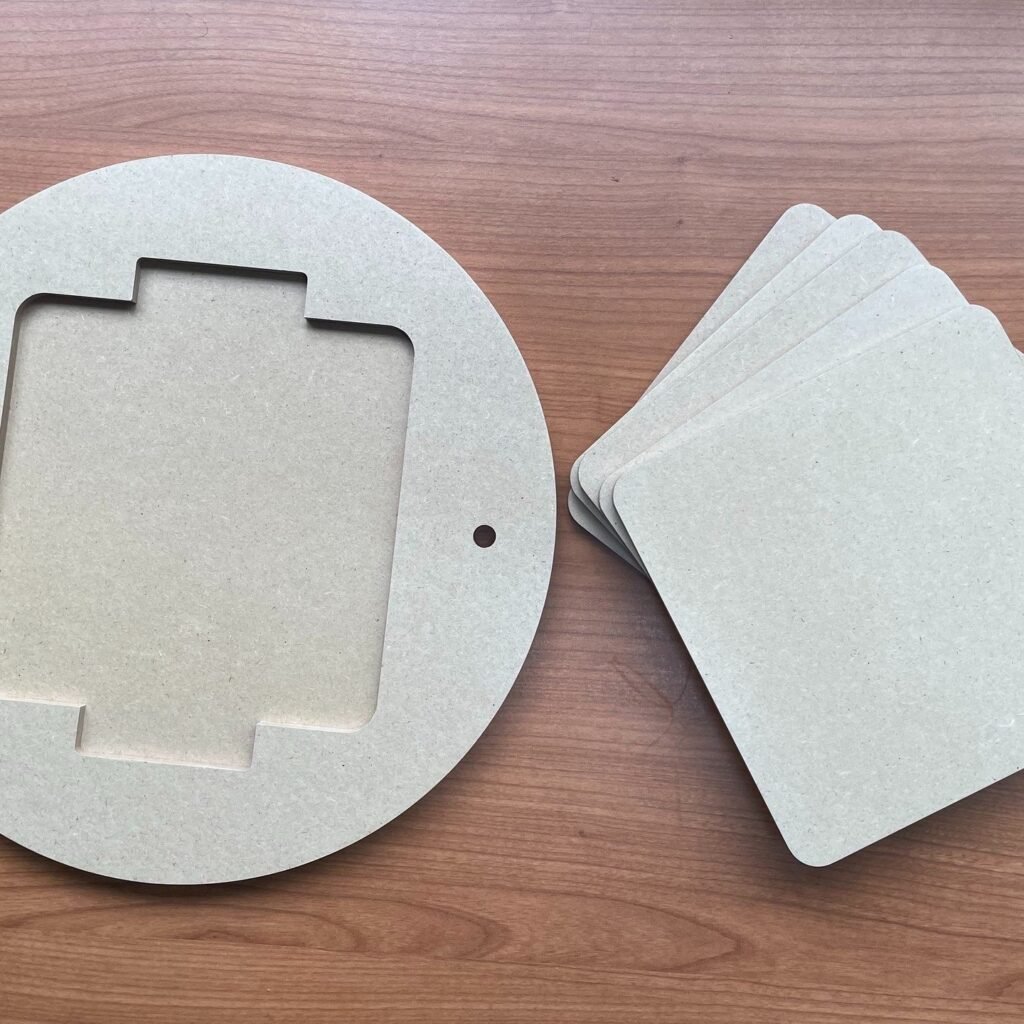
Some bat systems also use inserts.
With an insert system, you can keep a larger outer bat mounted while using smaller removable inserts for individual pieces.
That can make storage considerably easier.
How Many Bats Do You Really Need?
You probably do not need twenty bats when you are starting.
A beginner can get plenty of use from a small collection.
Start with a few bats that fit your wheel.
Then add more as your workflow develops.
If you regularly throw five or ten pieces during a session, having enough bats to keep several pieces on the shelf can save time.
Production potters have a different requirement.
When making dozens of pieces, a large collection of bats becomes much more practical because finished pieces can be moved immediately while the wheel stays available.
The number you need should therefore reflect your production volume rather than someone else’s studio.
What About Plates and Large Bowls?
This is where bats become particularly useful.
Wide forms are difficult to lift from the wheel because the clay has a large surface area and often has a delicate rim.
A plate can look perfect while throwing and then warp during removal.
Using a bat reduces that risk because the piece can remain untouched.
For potters interested in making dinnerware, serving platters or wide decorative forms, a reliable bat setup can therefore be a worthwhile investment.
The same principle applies to large bowls.
As the diameter increases, removing the piece becomes more difficult.
A bat gives you a safer way to transport the work from the wheel to the drying area.
Should You Buy a Bat System With a New Wheel?
If you are buying your first pottery wheel, you do not necessarily need to purchase every accessory at the same time.
Instead, think about your intended workflow.
If you mostly plan to make mugs and small bowls, start simple.
If you already know that you want to make plates, platters or production work, adding bats early makes more sense.
Before purchasing, check whether the wheel already includes bat pins.
Also verify the wheel head size and the compatibility of the bats you are considering.
For example, Skutt’s current wheel lineup emphasizes removable wheel heads and different accessory options, so checking the specific model before buying accessories is worthwhile. oai_citation:3‡Skutt Kilns
What Should You Look For in a Bat System?
A good bat system should hold securely.
Movement during throwing is frustrating at best and potentially dangerous to your work at worst.
The mounting method should also keep the bat reasonably centered.
Ease of removal matters too.
If changing a bat takes several minutes, you may stop using the system.
Durability is another consideration.
Pottery involves plenty of water, clay and repeated cleaning. Therefore, a bat that swells, warps or deteriorates quickly can become more expensive than it initially appears.
Finally, consider storage.
A dozen large bats take up much more room than a compact insert system.
Home studio potters should pay particular attention to this point.
Are Bat Systems Worth the Money?
For a beginner who only throws occasionally, probably not immediately.
For someone building a home pottery studio, however, the answer can change quickly.
Once you start making wider forms, throwing multiple pieces, or trying to increase production, the ability to remove and store work on bats becomes extremely convenient.
The real value is not the bat itself.
It is the workflow improvement.
Less handling means less distortion.
Faster removal means less waiting.
More bats mean more pieces can remain undisturbed while you continue throwing.
Those advantages add up over time.
Final Verdict
You do not need a pottery wheel bat system to start throwing clay.
You can absolutely learn pottery by throwing directly on the wheel head.
However, a bat system becomes increasingly useful as your work becomes larger, your production increases, or you start making forms that are difficult to remove without distortion.
For beginners, start with a simple setup.
For home studio potters, consider investing in a few quality bats.
For production potters, a larger bat collection or efficient bat system can make the entire throwing process faster.
Most importantly, choose a system that fits your specific wheel.
The best bat system is not necessarily the most expensive one. It is the one that stays secure, works with your wheel, fits your pottery, and makes your workflow easier.
If you are currently shopping for a pottery wheel, explore our pottery wheel selection and consider the bat compatibility before making your final choice.