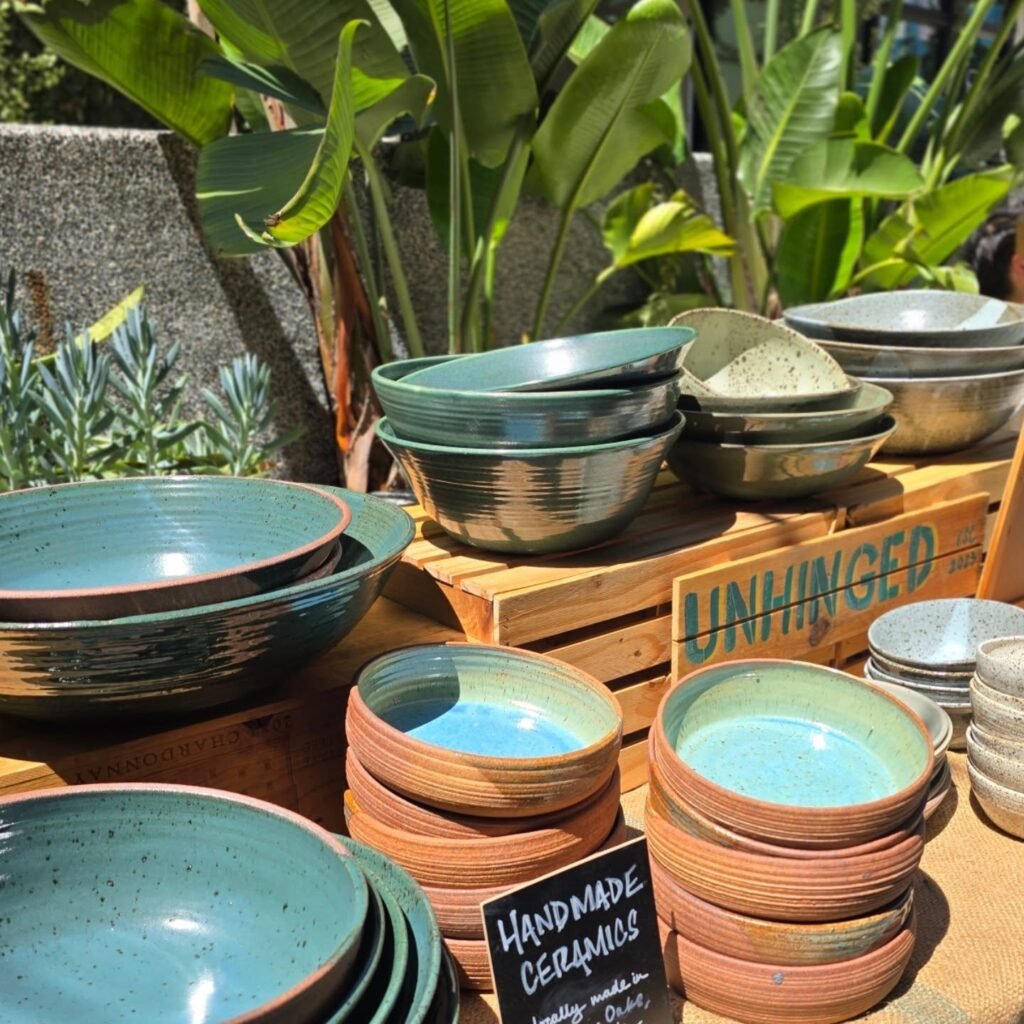
Making a beautiful mug or bowl is only half the job.
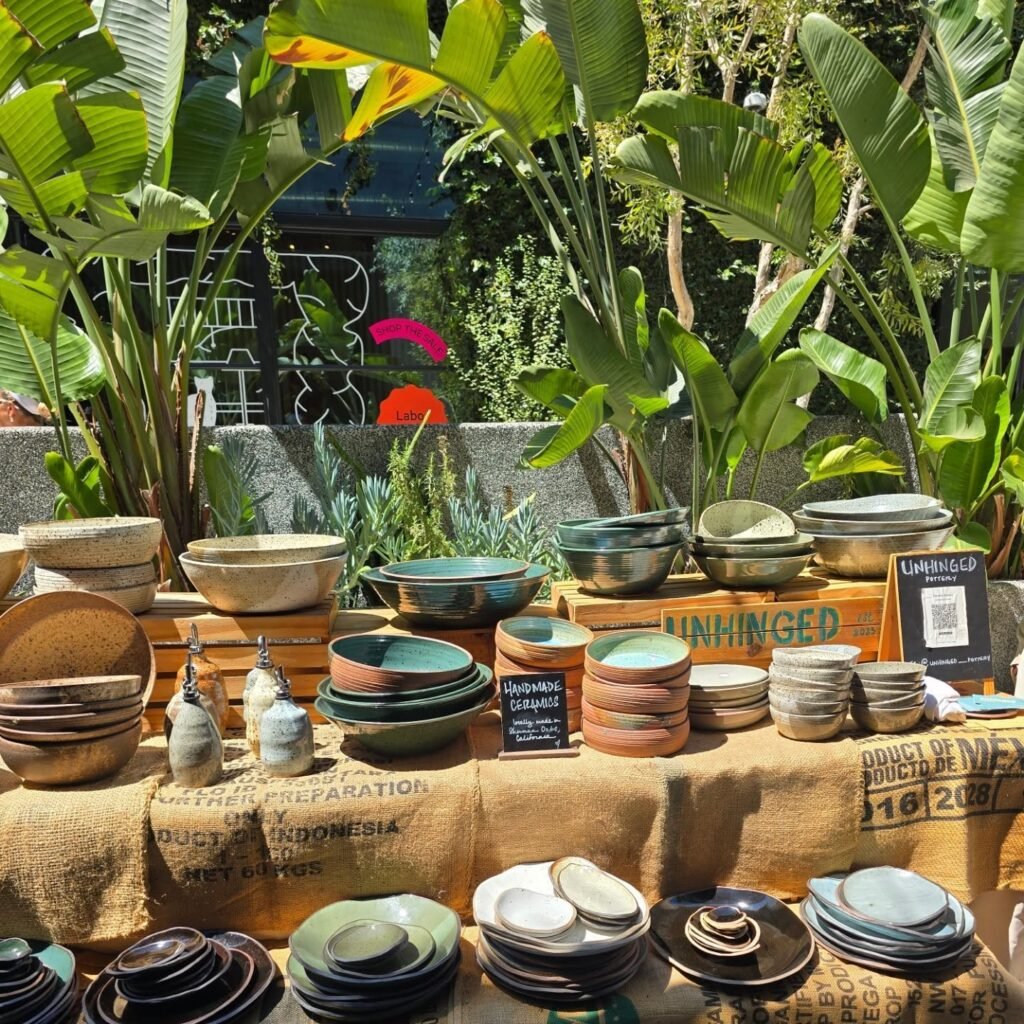
If you plan to eat or drink from it, you also need to know whether the finished pottery is food safe.
That depends on more than choosing a glaze labeled “food safe.” The clay body, firing temperature, glaze chemistry, surface condition, and final firing all matter.
Fortunately, the basic principles are straightforward.
Whether you are making mugs at home, selling handmade dinnerware, or simply wondering whether an old ceramic piece is safe to use, understanding these factors can help you make better decisions.
What Does Food Safe Pottery Mean?
Food safe pottery is ceramic ware that can reasonably be used for its intended food or beverage purpose without introducing harmful substances under normal conditions of use.
That definition matters because pottery can look perfectly finished while still having problems that make it unsuitable for food contact.
A glossy surface does not automatically mean a piece is food safe.
Likewise, a piece that feels smooth is not necessarily safe for every type of food.
Instead, you need to consider the entire ceramic system.
Does the Clay Need to Be Food Safe?
Yes, the clay body matters.
Clay becomes significantly less porous as it matures during firing. Properly vitrified stoneware and porcelain, for example, can become dense enough for functional dinnerware when fired according to the clay manufacturer’s specifications.
Earthenware behaves differently because it is generally fired at lower temperatures and remains more porous.
That does not automatically make earthenware unusable for food.
However, its intended use and glaze system need to be appropriate for the application.
Therefore, never assume that every clay body can be fired to the same temperature and used interchangeably for plates, mugs, bowls, or serving dishes.
What Does Firing Temperature Have to Do With Food Safety?
Firing temperature affects how mature the clay becomes.
As clay fires, particles begin to fuse and the body becomes less porous.
That process is known as vitrification.
However, the highest possible firing temperature is not automatically the safest choice.
Each clay body has a recommended firing range.
If you fire a clay below its intended maturity range, the finished piece may remain too porous.
If you fire it beyond its recommended range, the clay can deform, blister, bloat, or otherwise develop problems.
Consequently, always match the firing schedule to the specific clay body.
The Kiln Depot’s existing Cone 6 versus Cone 10 guide explains how different firing temperatures affect clay maturity, glaze development, and finished ceramic properties. (The Kiln Depot)
Is All Pottery Glaze Food Safe?
No.
A glaze needs to be suitable for the intended use.
Some ceramic glazes contain materials that can potentially become a concern if they are not properly formulated or fired.
This is particularly important with glazes containing lead or other potentially hazardous materials.
Modern commercial pottery glazes often provide manufacturer information about their intended use.
Therefore, if you are making functional dinnerware, choose a glaze specifically recommended for food-contact applications.
Do not assume that a glaze is safe simply because it looks attractive after firing.
What About Lead in Pottery?
Lead is one of the most important historical concerns surrounding ceramic food safety.
Some traditional or improperly formulated glazes can release lead into food or beverages.
The risk depends on the glaze composition, firing conditions, and finished surface.
That is why reputable ceramic suppliers provide information about glaze use and firing requirements.
If you are making pottery for sale, be particularly careful.
You should know exactly what materials you are using and follow applicable safety requirements for your market.
When there is uncertainty about a finished piece, laboratory testing is far more reliable than judging the surface by appearance.
What Is Crazing?
Crazing refers to a network of fine cracks that develops within a ceramic glaze.
It can look decorative.
However, crazing can create concerns for functional pottery because the surface is no longer an intact, continuous glaze layer.
Food residue can become trapped in those tiny cracks, making cleaning more difficult.
Crazing can also indicate that the glaze and clay body are not fitting together properly during cooling.
For functional ware, therefore, an attractive crackle effect should not automatically be treated as harmless.
If a glaze is intentionally designed to craze, follow the manufacturer’s guidance for its intended use rather than assuming that every crackle glaze is appropriate for dinnerware.
Is Handmade Pottery Safe for Coffee?
It can be.
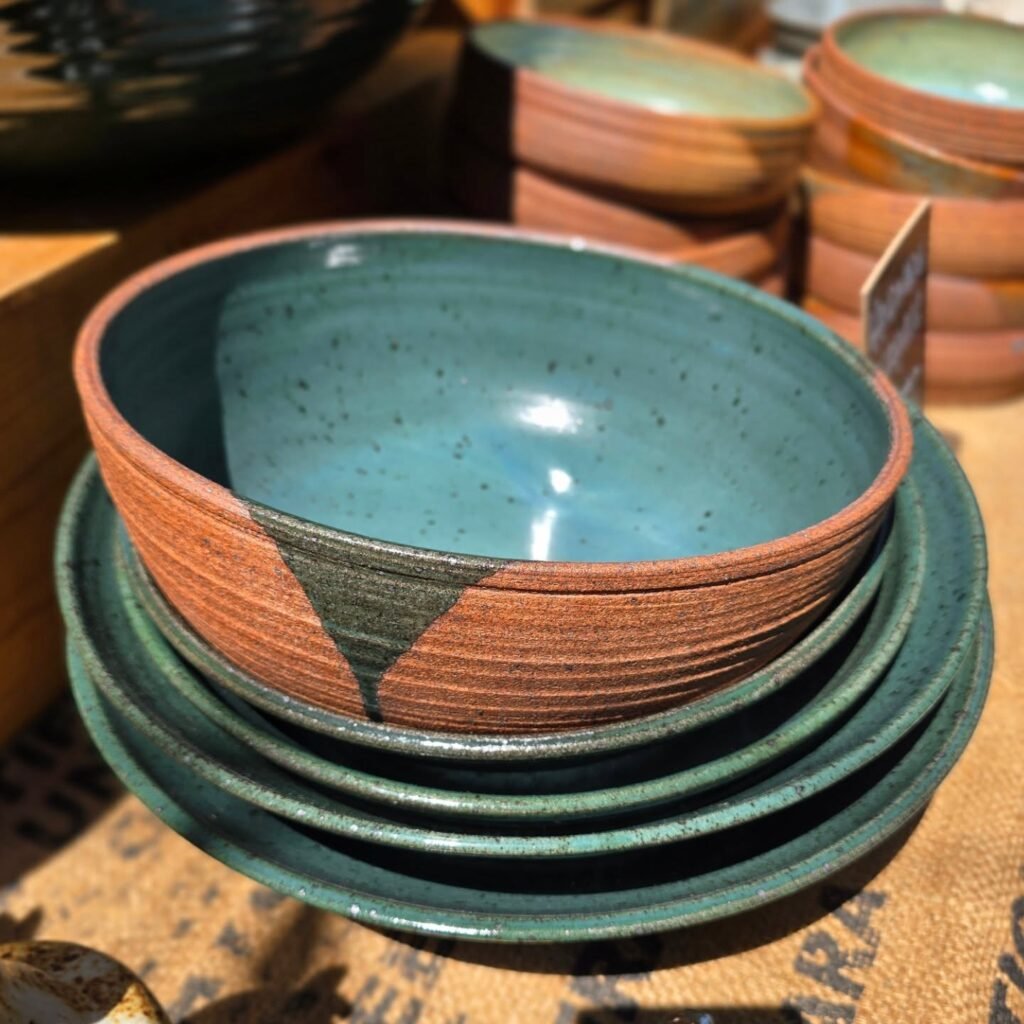
A properly made and fired ceramic mug can be perfectly suitable for coffee or other beverages.
However, the mug needs an appropriate clay body and glaze combination.
The interior surface is particularly important because it will have direct and repeated contact with liquid.
Check the glaze manufacturer’s recommendations and make sure the clay is fired to its specified maturity.
Also inspect the finished piece.
Visible cracks, severe crazing, pinholes, crawling, or other glaze defects should make you question whether the piece is appropriate for everyday food use.
Are Pottery Mugs Microwave Safe?
Food safety and microwave safety are not exactly the same thing.
A ceramic piece can be food safe without being suitable for microwave use.
Some decorations, metallic finishes, or ceramic defects can make microwave heating inappropriate.
Thermal shock can also damage pottery.
Therefore, don’t assume that because a mug holds coffee safely, it can automatically go into the microwave.
If you make functional ware, follow the recommendations associated with the clay and glaze system you are using.
Is Pottery Dishwasher Safe?
Again, food safe does not automatically mean dishwasher safe.
Repeated exposure to hot water, detergents, and mechanical movement can eventually affect certain ceramic surfaces.
Handmade pottery can also have thinner areas, delicate handles, textured surfaces, or decorative finishes that require additional care.
For everyday dinnerware, a durable, properly fired clay body and suitable glaze provide a stronger foundation for dishwasher use.
Even then, follow the manufacturer’s or potter’s care recommendations.
How Can You Tell If Pottery Is Food Safe?
Appearance alone cannot reliably tell you.
Instead, look for several indicators.
First, identify the clay body.
Next, identify the glaze.
Then confirm the recommended firing temperature.
After firing, inspect the surface carefully for defects.
If the pottery is commercially produced, look for information from the manufacturer.
If you made the piece yourself, keep records of the clay, glaze, firing temperature, and firing schedule.
That information becomes extremely valuable when troubleshooting functional ware.
What About Vintage Pottery?
Be more cautious with older pottery.
Vintage ceramics can contain materials that are less commonly used in modern commercial dinnerware.
Decorative pieces may also have been designed for display rather than food use.
If you cannot identify the materials, firing history, or intended use, don’t assume that the piece is suitable for food simply because it was originally sold as pottery.
When the safety of a valuable or frequently used piece matters, professional testing can provide much stronger evidence than visual inspection.
Can You Sell Handmade Food-Safe Pottery?
Yes, many ceramic artists sell handmade functional pottery.
However, selling dinnerware creates additional responsibility.
You need to understand the materials you are using and the requirements that apply to products intended for food contact in your market.
That means keeping track of your clay and glaze manufacturers, following firing instructions, and avoiding unsupported claims.
It is particularly important not to describe pottery as “food safe” simply because the glaze manufacturer uses that phrase without confirming that your actual firing process matches the recommended conditions.
The finished ceramic depends on the entire system.
A Simple Food-Safety Checklist for Potters
Before selling or regularly using a functional piece, check the following:
Clay: Is the clay body appropriate for functional ware?
Firing: Was it fired within the manufacturer’s recommended range?
Glaze: Is the glaze intended for the type of food-contact use you have in mind?
Surface: Is the finished surface intact and properly fused?
Crazing: Does the glaze show unwanted cracking?
Defects: Are there pinholes, blisters, crawling, or other significant surface problems?
Documentation: Do you know exactly which clay and glaze were used?
Testing: If there is genuine uncertainty, can the finished ware be professionally tested?
This checklist will not replace laboratory analysis when testing is necessary.
It does, however, prevent many avoidable mistakes.
Food Safety Starts Before the Kiln
One of the biggest misconceptions is that the kiln somehow makes any pottery safe.
It doesn’t.
The firing process is part of the equation, but it cannot turn an unsuitable clay or glaze combination into an automatically safe dinnerware surface.
Your decisions begin when you choose the materials.
Then you need to follow their preparation and firing requirements accurately.
That is why reliable firing equipment matters.
A programmable kiln can help you reproduce appropriate firing schedules consistently, but the schedule still needs to be correct for the materials.
The Bottom Line
Food safe pottery is the result of several things working together.
You need an appropriate clay body.
You need a suitable glaze.
You need the correct firing temperature.
You also need a properly developed and intact surface.
Finally, you need to understand how the finished piece will actually be used.
Don’t judge safety by appearance alone.
A beautiful glossy mug can still have problems, while a simple-looking handmade bowl can be perfectly appropriate for everyday use.
If you make pottery for yourself, learn the materials you work with.
If you sell functional ceramics, take that responsibility even more seriously.
Keep records, follow manufacturer specifications, and test when uncertainty remains.
That approach gives you something more valuable than a good-looking glaze.
It gives you confidence in the finished piece.