Pottery trends 2026 are moving toward work that feels handmade, tactile, personal, and difficult to reproduce. Across contemporary ceramics, artists are exploring natural surfaces, sculptural forms, traditional techniques, and stronger connections between functional pottery and art.
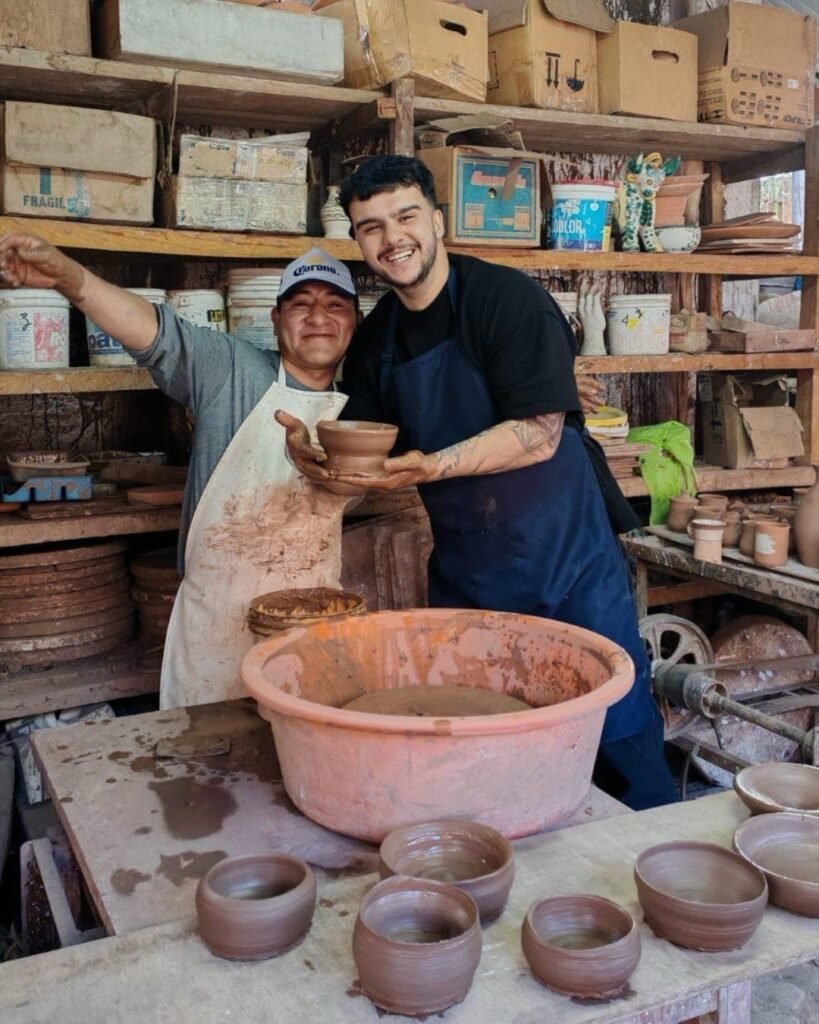
That shift matters to working potters because changing aesthetics often influence what people buy, what studios produce, and which equipment becomes useful.
Here are seven pottery trends worth watching right now.
1. Natural Textures Are Having a Moment
Smooth, perfectly uniform surfaces are no longer the only way to make pottery feel finished.
More ceramic artists are embracing visible texture, rough clay surfaces, carved details, and natural-looking finishes.
Earthy surfaces and tactile finishes continue to appear across 2026 pottery trend coverage, alongside handmade forms and natural clay textures.
That approach works particularly well with handbuilding, carving, stamping, and surface decoration.
For studio potters, it also creates opportunities to experiment with different clay bodies and firing temperatures.
A pottery wheel remains useful for creating the basic form, while hand tools and slab-building equipment can add the irregular details that make each piece unique.
2. Sculptural Pottery Is Moving Beyond the Traditional Vessel
Ceramic artists are increasingly treating clay as a sculptural medium rather than limiting themselves to conventional cups, bowls, and vases.
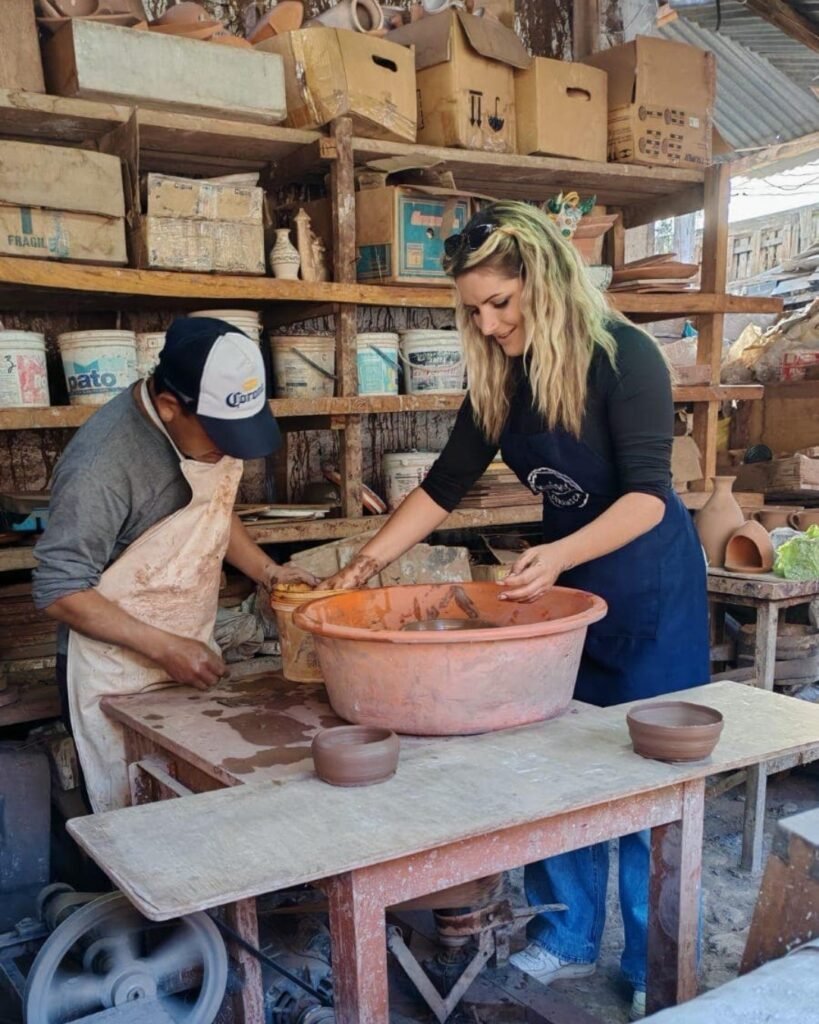
Organic forms, exaggerated proportions, wall pieces, figures, and abstract ceramic sculpture are becoming more visible in contemporary exhibitions.
Ceramic Review’s current coverage reflects this broader approach to ceramics, including contemporary work that combines traditional materials with larger artistic and environmental ideas.
This trend can change the equipment a studio needs.
A potter focused on sculptural work may get more value from a slab roller, extruder, work table, and large kiln than from a high-powered pottery wheel alone.
3. Handbuilding Continues to Gain Attention
Handbuilding gives artists something a production wheel cannot always provide: complete control over irregular forms.
Coils, slabs, pinching, carving, and joining allow potters to create shapes that would be difficult to produce through throwing.
Current 2026 ceramics trend coverage continues to emphasize handcrafted textures and distinctive handmade qualities.
That makes handbuilding particularly attractive to artists who want every piece to look individual.
For studios producing larger handbuilt work, a pottery slab roller can become one of the most useful pieces of equipment available.
A good slab roller helps produce consistent sheets of clay while leaving the artist free to focus on construction and surface design.
4. Earthy Glazes and Raw Clay Surfaces
Color trends come and go, but natural ceramic surfaces continue to attract attention.
Earthy glazes, muted colors, visible clay bodies, and mineral-like textures fit well with the broader preference for handmade and organic interiors.
Current 2026 trend coverage specifically highlights earthy glazes and natural clay textures as notable directions in pottery.
For potters, this creates an interesting balance between control and imperfection.
A consistent clay body can provide the foundation while firing atmosphere, glaze thickness, texture, and application technique create variation.
That variation is often exactly what makes handmade ceramics appealing.
5. Traditional Techniques Are Being Reinterpreted
Ceramic artists are not simply abandoning traditional pottery.
Many are taking older techniques and using them in contemporary ways.
That can include traditional surface decoration, regional forming techniques, carving, natural textures, historical firing methods, and culturally specific approaches to ceramic construction.
Contemporary exhibitions continue to show artists connecting ceramics with traditional practices and broader cultural influences.
The result is not necessarily a return to historical pottery.
Instead, artists are borrowing techniques from the past and adapting them to modern forms.
That gives traditional processes a new audience without requiring artists to copy historical work exactly.
6. Functional Pottery Is Becoming More Artistic
The boundary between pottery and ceramic art continues to blur.
A mug can function perfectly well and still be treated as a sculptural object.
A vase can hold flowers while also functioning as a statement piece.
A serving bowl can become the focal point of a dining table.
This is particularly useful for independent potters because functional work gives customers a practical reason to buy while artistic details give the piece individuality.
That combination can make handmade pottery easier to market than purely decorative objects.
7. Pottery Studios Are Investing in Better Equipment
As more artists treat pottery as both a creative practice and a business, studio equipment becomes increasingly important.
The difference between making ten pieces and making fifty pieces can come down to workflow.
A reliable pottery wheel can speed up throwing.
A pug mill can make reclaiming clay easier.
A slab roller can make handbuilding more consistent.
A larger kiln can reduce the number of firings required for a growing production schedule.
That does not mean every potter needs expensive equipment.
It means artists are increasingly thinking about equipment as part of the production system rather than as an afterthought.
What These Pottery Trends Mean for Equipment Buyers
Trends should not determine every equipment purchase.
Your workload should.
If you’re producing wheel-thrown mugs and bowls, investing in a dependable pottery wheel makes sense.
If you’re producing large sculptural pieces, a slab roller and larger kiln may provide more value.
If you’re reclaiming significant quantities of clay, a pug mill can save time.
If you’re firing frequently, upgrading the kiln may have a greater impact on your business than buying another wheel.
The best studio equipment supports the work you already want to make.
Equipment That Fits the 2026 Pottery Market
For wheel throwing, compare professional models such as Brent and Shimpo before choosing based on price alone.
Browse pottery wheels here:
For potters producing larger quantities of work, kiln capacity becomes increasingly important.
Explore the current kiln selection here:
If handbuilding is becoming a bigger part of your practice, consider a pottery slab roller.
For studios processing large amounts of clay, a pug mill can also become a worthwhile upgrade.
The equipment you choose should follow your production goals rather than whichever trend happens to be popular this month.
Should You Change Your Studio Because of Pottery Trends 2026?
Not necessarily.
A trend can inspire experimentation without dictating your business.
If natural textures are becoming popular but your customers prefer clean minimalist pottery, you don’t need to completely change your product line.
Instead, test a small collection.
Make a few pieces using a different clay body.
Experiment with texture.
Try a new glaze combination.
Then see how customers respond.
The strongest pottery businesses usually combine current interest with a recognizable style.
Chasing every trend can make a studio look inconsistent.
Using trends selectively can make an established style feel fresh.
Final Thoughts
The biggest pottery trends 2026 are not necessarily about one specific shape or glaze color.
The larger movement is toward individuality.
Ceramic artists are embracing texture, organic forms, handbuilding, sculptural work, traditional techniques, natural surfaces, and functional pieces with stronger artistic identities.
That creates opportunities for potters who understand both their customers and their production process.
The important question isn’t simply, “What’s trending?”
Ask instead, “Which trends fit the kind of pottery I want to make and sell?”
Once you know the answer, choose the equipment that helps you produce that work efficiently.
A better pottery wheel, slab roller, pug mill, or kiln can be far more valuable when it supports a clear production strategy rather than simply following a trend.
