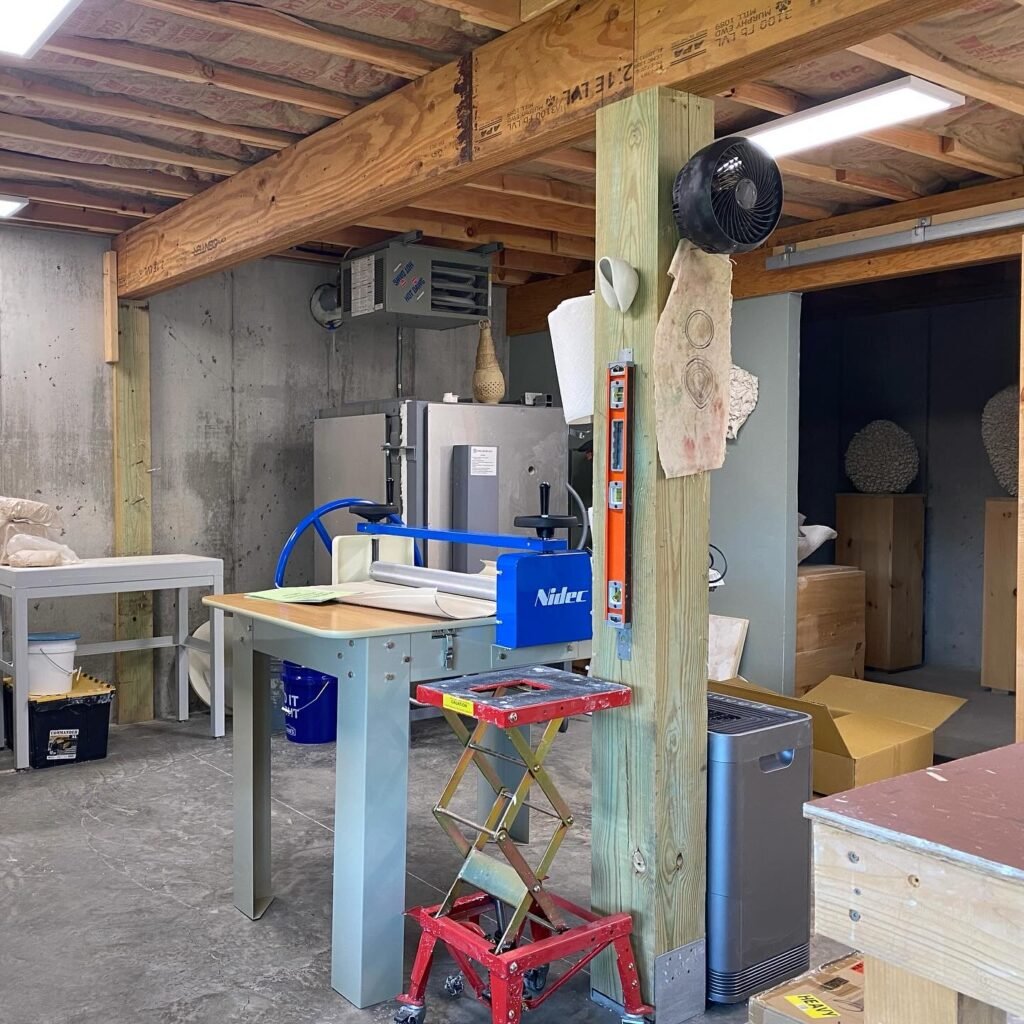
A slab roller sticking to clay can turn an easy pottery project into a frustrating mess. Instead of producing a smooth slab, the clay may grab the canvas, tear, or come out uneven. Fortunately, you usually do not need to replace your equipment.
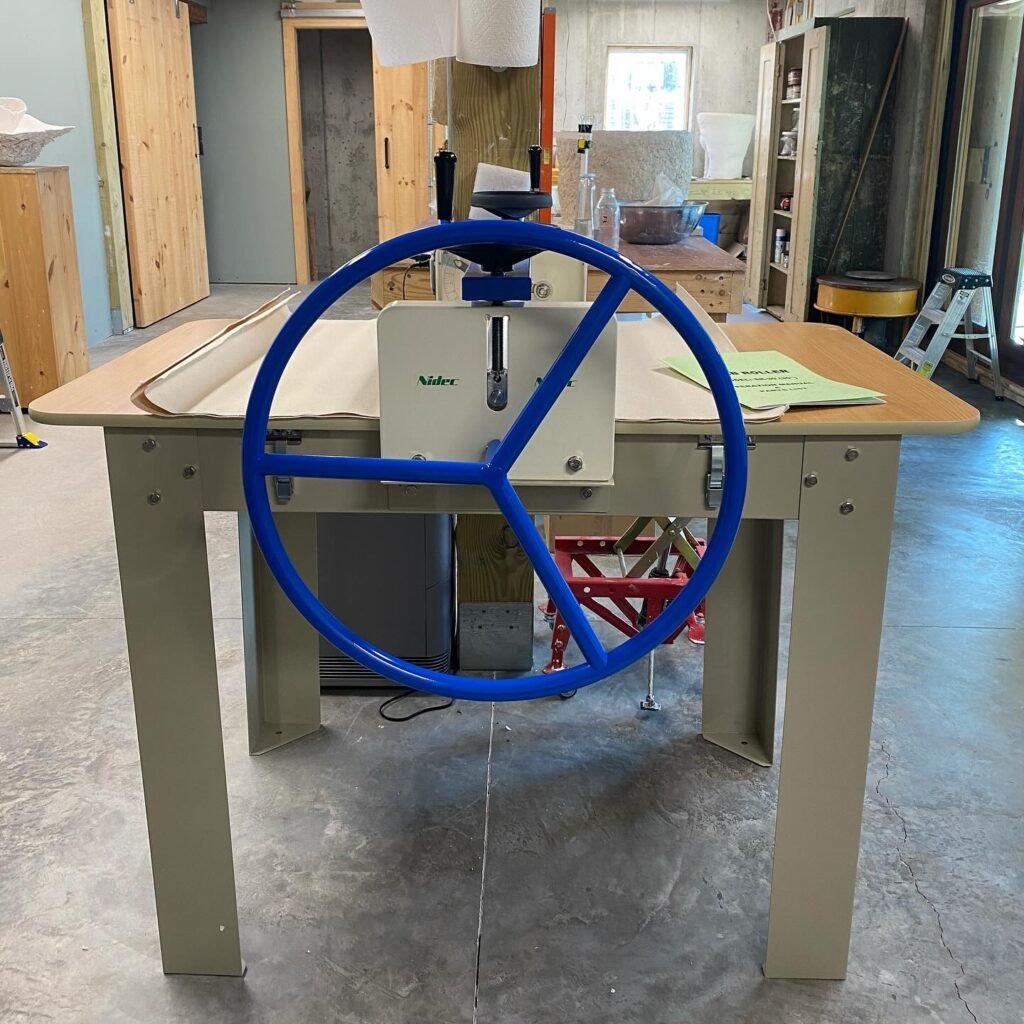
Several simple factors can cause the problem. Clay moisture, canvas condition, roller settings, and feeding technique all affect how smoothly a slab passes through the machine. Once you identify the cause, your slab roller should become much easier to use.
This guide explains what causes slab roller sticking and what you can do to prevent it.
Why Is My Slab Roller Sticking?
Moisture is one of the first things to check.
Very soft clay tends to stick more easily because it contains more water. Pressure from the rollers can push that soft clay into the canvas. As a result, the slab may refuse to release cleanly.
The canvas itself can also cause trouble. Clay particles collect in the fabric over time. Moisture can build up there as well. Eventually, the surface may become tacky enough to grab fresh clay.
Roller adjustment matters too. Uneven pressure can distort the slab and make the machine harder to operate.
Before blaming the equipment, check these basic factors first.
Check the Moisture in Your Clay
Clay should be plastic enough to roll without cracking. At the same time, it should not feel wet or excessively sticky.
Take a small piece and squeeze it between your fingers. If it feels very soft and leaves noticeable moisture on your hands, let it firm up before using the slab roller.
Slightly firmer clay usually releases more cleanly. It also holds its shape better after passing through the rollers.
Your clay body can make a difference as well. Some bodies feel naturally softer than others. Therefore, the ideal moisture level may vary from one clay body to another.
Consistent clay preparation becomes even more important in a busy studio. Potters processing large amounts of material may find equipment such as a pug mill and mixer useful for preparing clay more consistently.
For occasional home use, however, simple moisture control may solve the problem without additional equipment.
Clean the Slab Roller Canvas
A dirty canvas is another common reason for slab roller sticking.
Canvas comes into direct contact with your clay. Naturally, small particles build up during normal use.
Those particles can become embedded in the fabric. Damp clay can then adhere to the same areas during your next session.
Inspect the canvas before rolling.
Brush away loose clay. Remove heavy buildup. Give damp fabric time to dry whenever possible.
You should also watch for worn areas. A badly damaged canvas may create more problems than a clean one.
Keeping the surface clean will not solve every sticking problem. Nevertheless, it is one of the easiest things to check.
Start With a Wider Roller Gap
Trying to make a very thin slab in one pass can put unnecessary pressure on the clay.
Suppose you start with a thick piece of clay. If you immediately set the rollers extremely close together, the machine must compress a large amount of material at once.
That can increase resistance.
A better approach is to reduce the thickness gradually.
Start with a wider gap. Run the clay through the rollers. Then reduce the setting and make another pass.
Repeat the process until you reach the thickness you need.
This method takes a little longer. However, it gives you much better control over the clay.
Feed Clay Into the Roller Evenly
The way you position your clay also affects the result.
Try to center the clay before starting the roller. Avoid feeding one thick corner into the machine while the opposite side is almost empty.
Uneven feeding can create uneven pressure.
As a result, one side of the slab may become thinner than the other. The clay may also move differently across the working surface.
Take a few seconds to position the clay properly.
That small habit can make a surprisingly large difference when you are producing large slabs.
Check the Roller Adjustment
Your slab roller should apply consistent pressure across its working width.
If one side is tighter than the other, the finished slab may have different thicknesses from one edge to the other.
You may also notice unusual resistance when turning the handle.
Stop if the machine suddenly becomes difficult to operate.
Check the adjustment mechanism on your particular model. If the machine has separate adjustment points, make sure they are aligned according to the manufacturer’s instructions.
Never force a mechanism simply to complete a slab.
A machine that suddenly feels different deserves attention before you continue.
Roll the Clay in Several Passes
Many beginners try to finish a slab in one pass.
That approach can work for certain situations. Still, several controlled passes usually provide better results.
Begin with a thicker setting.
Roll the clay once.
Inspect the surface.
Then reduce the roller gap and repeat.
This gradual process reduces the amount of compression applied at one time. It can also help you maintain more consistent thickness.
For potters who regularly make plates, tiles, trays, boxes, or large handbuilt pieces, a dedicated slab roller can make this process much faster than rolling every slab by hand.
What If the Canvas Gets Stuck?
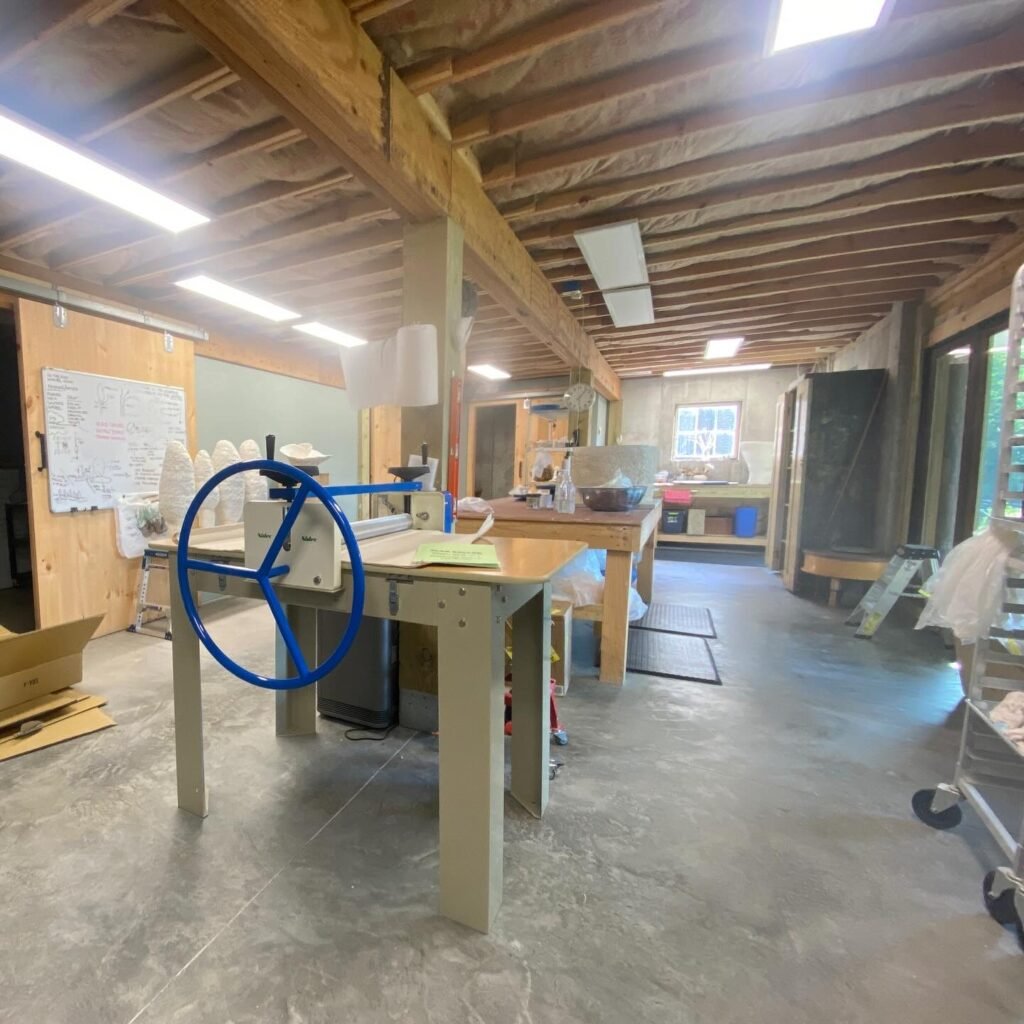
Do not immediately pull hard on a trapped canvas.
Force can damage the fabric or put unnecessary stress on the roller mechanism.
Instead, stop the machine.
Look carefully at where the canvas is trapped. Check for excess clay around the rollers. Then inspect the fabric for folds or damaged areas.
A recent pottery discussion involved a canvas becoming trapped underneath a slab roller. That experience shows how quickly a small setup problem can become frustrating.
Once you identify the cause, correct it before trying to run the machine again.
If you cannot determine why the canvas is trapped, consult the manufacturer’s instructions for your model.
Can Different Fabrics Be Used?
Canvas is the standard choice for many slab rollers. However, some potters use other materials when they want a particular texture or working surface.
Before changing the material, check your equipment instructions.
The fabric needs to move freely through the machine. It should not create excessive friction or become caught between moving components.
Texture materials require additional care. A raised surface can change how the clay moves through the rollers.
For that reason, test a small piece before committing to a large slab.
Why Are My Slabs Coming Out Uneven?
Uneven slabs can have several causes.
The clay may not have been centered properly. Roller settings may also be uneven. Another possibility is inconsistent moisture within the clay.
Your technique can contribute as well.
For example, repeatedly pushing or pulling one section of a slab can introduce uneven tension.
Start by making your process more consistent.
Use clay with a similar moisture level throughout the batch. Center the clay before rolling. Adjust the machine evenly. Then reduce thickness gradually.
These changes make it easier to determine whether the equipment itself has a problem.
How to Prevent Slabs From Warping
Warping can happen even when the slab roller works correctly.
Large slabs are particularly sensitive to handling. Moving a soft slab immediately after rolling can stretch one area while another remains supported.
Allow the clay to stiffen before moving it when possible.
Support large slabs evenly during transport.
You should also avoid repeatedly manipulating the same area while the clay is still very soft.
Good rolling technique and careful handling work together.
What Thickness Should You Roll?
There is no single slab thickness that works for every pottery project.
A small tile does not have the same requirements as a large platter. Likewise, a sculptural wall piece may need different structural support from a serving tray.
Consider the finished object before choosing your thickness.
Think about its size, shape, construction method, and expected shrinkage.
Testing your clay body is also important.
Make a few samples at different thicknesses. Dry and fire them. Then compare the results.
That process will give you a much better answer than following a universal thickness recommendation.
When Is a Slab Roller Worth Buying?
A slab roller becomes particularly useful when you regularly make large handbuilt pieces.
Plates, tiles, trays, boxes, architectural ceramics, and sculptural work can all benefit from consistent slabs.
Rolling by hand can certainly work. However, maintaining even pressure becomes more difficult as the slab gets larger.
A mechanical roller provides repeatable thickness with much less physical effort.
The right machine depends on your studio.
A small home pottery setup may benefit from a compact model. A production studio may need a wider roller and heavier construction.
The Kiln Depot’s slab roller guide explains the main features to consider when comparing equipment.
Slab Roller Maintenance Checklist
A simple maintenance routine can prevent many problems.
Before each session, inspect the canvas and remove loose clay. Check the roller surface and confirm that the adjustment mechanism moves normally.
During use, avoid forcing large amounts of clay through a narrow setting. Reduce thickness gradually instead.
After rolling, clean away clay residue. Allow damp fabric to dry when practical.
Finally, keep the machine in a clean studio area where dust and clay debris will not accumulate around the moving parts.
Regular maintenance takes only a few minutes.
Repairing neglected equipment can take considerably longer.
Common Slab Roller Mistakes
Using clay that is too wet
Excess moisture makes clay softer and more likely to stick.
Reducing thickness too quickly
A dramatic change in roller height can create excessive pressure.
Ignoring dirty canvas
Clay buildup can make the surface grab fresh slabs.
Overloading the machine
Too much clay increases resistance and can produce uneven results.
Pulling a trapped canvas
Force can damage the fabric or the roller mechanism.
Ignoring uneven settings
Different pressure across the machine can produce inconsistent slabs.
When Should You Replace Your Slab Roller?
A sticking problem does not automatically mean your roller needs replacement.
First check the clay.
Then clean the canvas.
Next, inspect the adjustment system and your rolling technique.
If the machine still performs poorly after those factors are controlled, equipment condition becomes more important.
Look for excessive movement in the rollers. Check for damaged parts. Pay attention to unusual noises or resistance.
Studio needs also change over time.
A compact roller may have been perfect when you started. After years of making larger work, however, you may need a wider machine.
Replacing equipment makes sense when your current roller can no longer meet your production needs.
Final Thoughts
Slab roller sticking usually has a simple explanation.
Start with clay moisture. Clean the canvas. Check the roller settings. Feed the clay evenly. Reduce thickness gradually.
Those steps solve many common problems.
If sticking continues, inspect the equipment itself.
A good slab roller should make handbuilding easier. It should produce consistent slabs without forcing you to fight the machine.
With the right setup and regular maintenance, you can get cleaner, smoother, and more predictable results from your slab roller.