Choosing the right pottery kiln size can save you money, electricity, and a lot of frustration. A kiln that is too small may force you to fire constantly, while an oversized kiln can waste space and energy when you rarely fill it.
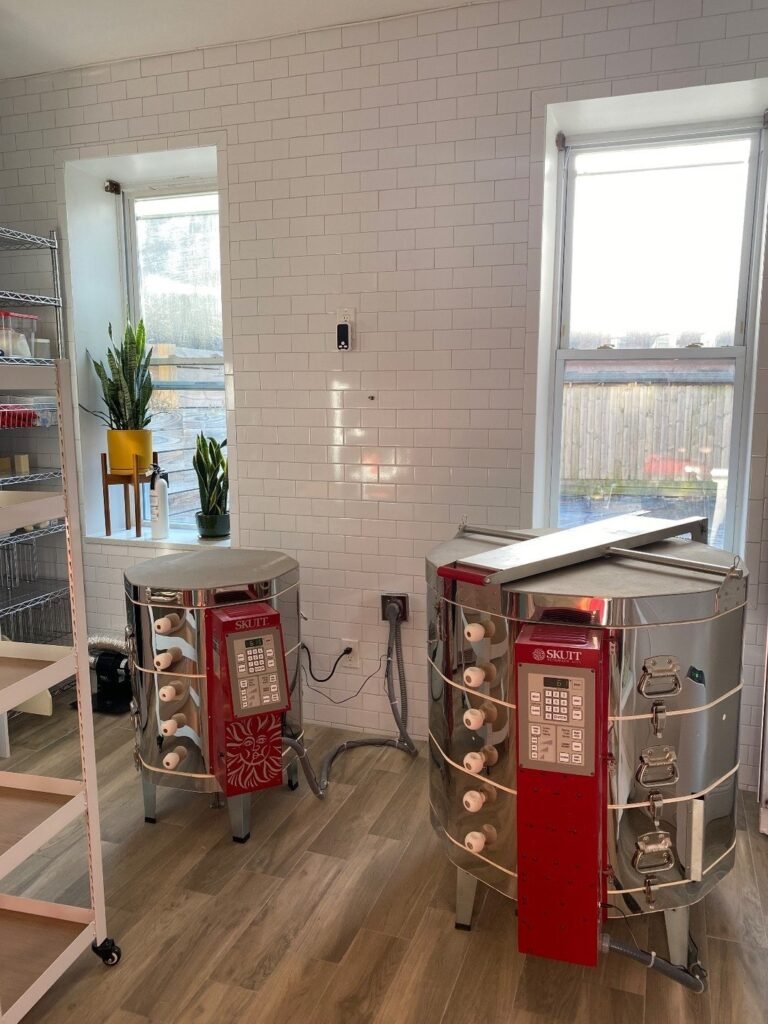
For U.S. potters buying their first personal kiln, size has become an especially important decision. Recent pottery discussions show beginners comparing compact kilns with larger models and trying to balance chamber capacity, electrical requirements, and future needs.
The best pottery kiln size depends on what you actually make, how often you fire, and where you plan to install the equipment.
Why Pottery Kiln Size Matters
Kiln size affects much more than how many pots fit inside.
A larger chamber gives you more firing capacity. That can make sense for production pottery, larger pieces, or studios that fire frequently.
A smaller kiln can work extremely well for hobby potters who mainly make mugs, bowls, small sculptures, tiles, and other compact work.
The mistake comes when buyers choose based only on the physical size of the kiln.
You need to consider the chamber dimensions, firing schedule, electrical requirements, available studio space, and expected growth.
Measure the Chamber, Not the Outside
Manufacturers often describe kilns using chamber dimensions or cubic feet.
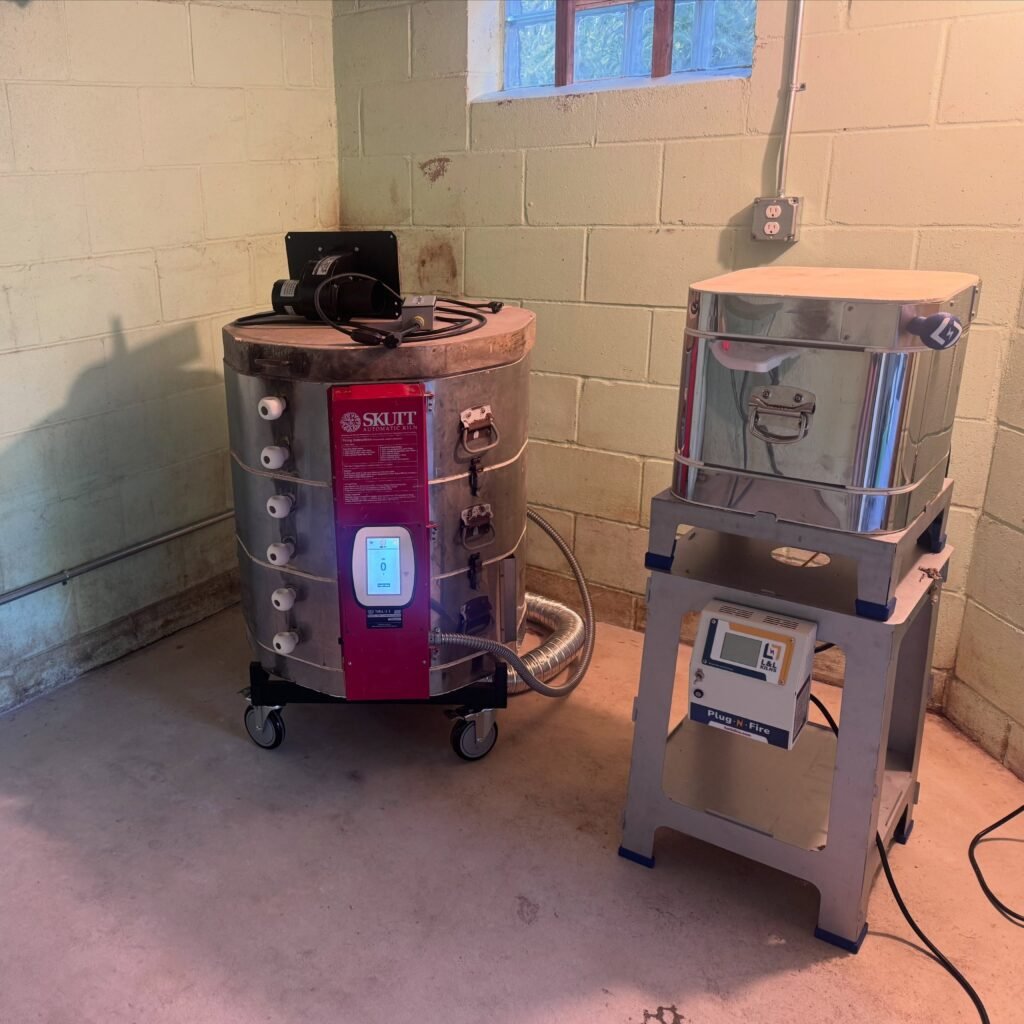
Those numbers matter more than the overall footprint.
A kiln with a large exterior can still have a surprisingly limited firing chamber if thick insulation and structural components take up significant space.
Look at the interior diameter and height.
Then think about the shelves you will use.
For example, a kiln may technically hold a large number of small pieces but struggle with tall sculptures or large platters.
Your pottery determines the useful capacity.
Small Kilns Work Well for Many Potters
A compact kiln can make sense for a home studio.
If you primarily create small functional pottery, jewelry, test tiles, ornaments, or small sculptural pieces, you may not need a large chamber.
Smaller kilns also offer another advantage.
You can fire smaller batches.
That means you do not always have to wait until you have enough pottery to fill a large chamber.
For a hobbyist who fires occasionally, that flexibility can be valuable.
A smaller kiln may also fit more easily into a dedicated studio or suitable workspace.
When a Larger Kiln Makes Sense
A larger kiln becomes more attractive when your production increases.
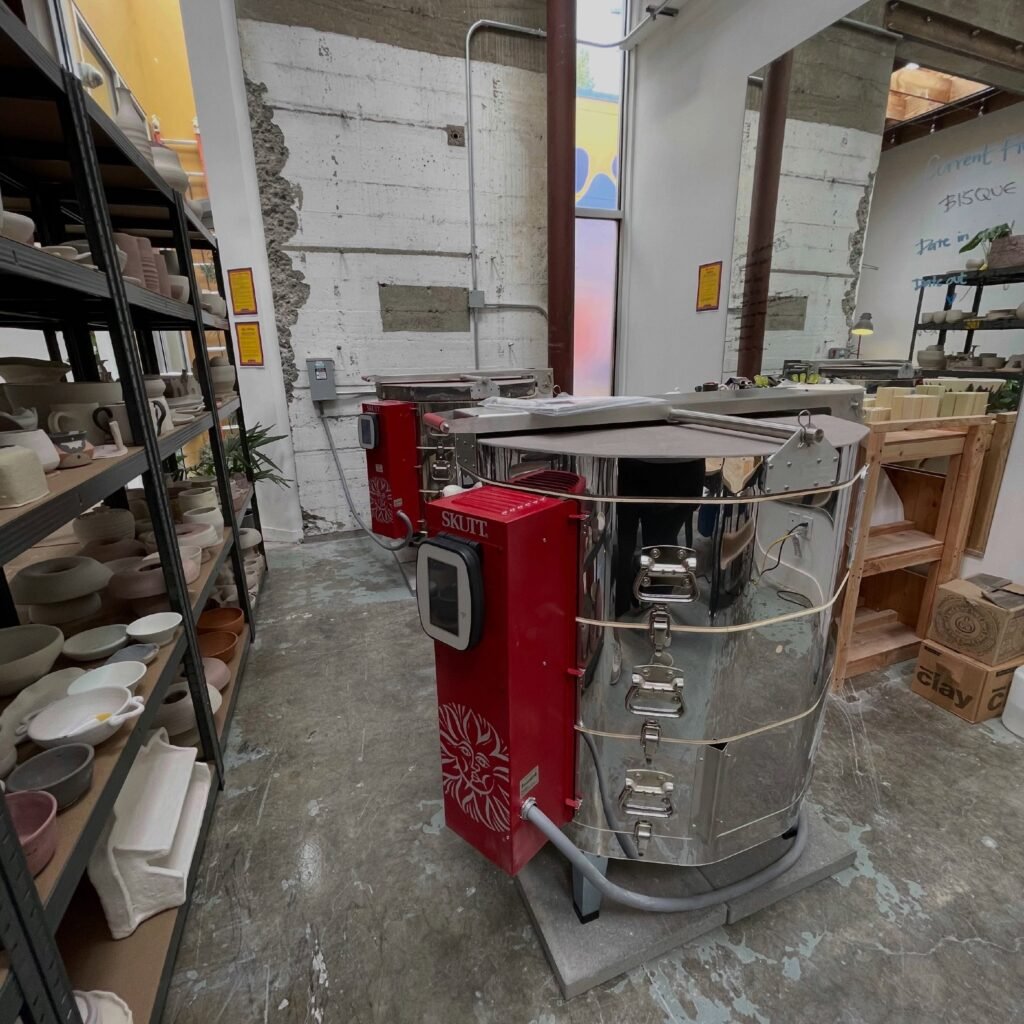
Suppose you make dozens of mugs every week.
A small kiln may require several firings to process one production batch.
A larger chamber could reduce the number of firing cycles.
The same logic applies to larger pottery.
Large platters, vases, sculptures, and serving pieces require enough internal height and width to fit safely.
If you plan to make larger work in the future, consider that before buying a very small kiln.
Think About Your Actual Production
Ask yourself what you normally make.
Do you throw mostly mugs?
Do you make bowls?
Do you produce large platters?
Do you create sculptures?
Do you make pottery for craft fairs?
Do you fire test pieces frequently?
Your answers should influence your kiln choice.
A potter who makes twenty small cups has very different capacity requirements from an artist who makes three large sculptural pieces.
The best kiln matches the work rather than the buyer’s wish for the biggest machine available.
Consider How Often You Fire
Firing frequency can change the ideal kiln size.
A hobby potter who fires once or twice a month may have little reason to buy a large production kiln.
A studio that fires several times a week faces a different calculation.
More capacity can reduce the number of individual firing cycles.
That can save time.
However, a larger kiln also requires more investment and may demand greater electrical capacity.
Therefore, think about your firing schedule over an entire month rather than judging capacity from one busy week.
Do Not Buy for Your Fantasy Studio
This is one of the easiest mistakes to make.
You may imagine yourself becoming a full-time production potter within a year.
That possibility is exciting.
It can also lead you to buy equipment that does not match your current needs.
If you currently make a few pieces each month, you probably do not need to buy the largest kiln you can afford.
At the same time, do not buy such a small kiln that you will outgrow it almost immediately.
Aim for realistic growth.
Choose equipment that supports the next stage of your pottery without forcing you to pay for capacity you will not use.
Check the Electrical Requirements
Kiln size and electrical requirements often go together.
As kiln capacity increases, the electrical demand can also increase depending on the model.
That makes electrical planning essential.
Check the voltage and amperage before buying.
Then confirm that your studio can support the kiln safely.
A larger kiln may require a dedicated circuit or electrical upgrades.
Those installation costs can significantly change the overall price.
If you are unsure about the electrical requirements, have a qualified electrician evaluate your planned installation.
Do not buy the kiln first and investigate the electrical requirements afterward.
Think About Firing Costs
A larger kiln can hold more pottery, but it can also consume more energy.
The actual energy use depends on the kiln design, firing temperature, firing schedule, insulation, electrical characteristics, and other factors.
That means cubic feet alone cannot tell you exactly how expensive each firing will be.
Still, the basic principle remains useful.
Do not heat a huge chamber for three mugs if a smaller kiln could handle the same job efficiently.
Likewise, do not run five small firings when one appropriately sized kiln could handle the same production load.
Your goal is efficient capacity.
Leave Room for Kiln Furniture
Kiln size also affects your shelves and posts.
A larger kiln requires appropriately sized shelves and enough posts to build stable layers.
That adds cost.
Do not calculate the kiln price without considering the furniture.
A bargain kiln with no shelves may require a surprisingly large additional investment.
Before buying, price the shelves, posts, cones, kiln wash, and other essential accessories.
Our kiln shelves and furniture category can help you estimate the equipment needed for a complete setup.
Consider the Shape of Your Pottery
Capacity is not just about cubic feet.
Shape matters too.
A tall narrow kiln can work well for certain forms but create problems for wide platters.
A wider chamber may suit plates, tiles, and broad sculptural work.
Think about your largest pieces.
Measure them.
Then add enough clearance to load them safely.
Never choose a kiln based on the assumption that you can squeeze a piece inside.
Your pottery should fit comfortably without touching the elements or other kiln components.
Think About Shelf Spacing
Shelf configuration can dramatically change usable capacity.
A kiln may have enough vertical space for several shelves, but your pottery may require larger gaps between levels.
Tall mugs need more vertical clearance than small tiles.
Large bowls also need more room than test pieces.
Therefore, calculate usable shelf space rather than simply counting shelves.
Sketch your typical kiln load before purchasing.
You can even measure a typical batch of pottery and compare those dimensions with the manufacturer’s chamber dimensions.
That simple exercise can prevent a costly sizing mistake.
What About Cone Temperature?
Kiln size and firing temperature are separate considerations.
First, determine the firing temperature your clay and glazes require.
Then make sure the kiln can safely reach that temperature.
A large kiln that cannot reach the required cone is not useful for your work.
Likewise, buying an extremely high-temperature kiln does not automatically improve your pottery.
Match the kiln’s rated temperature range to your materials and firing goals.
Small Kiln or Large Kiln for Beginners?
For many beginners, a smaller kiln can provide a practical starting point.
You can learn how loading affects results, understand your firing schedules, and develop good maintenance habits without immediately investing in a large production system.
However, beginners who already know they want to produce larger work may benefit from starting with a larger chamber.
The key is to consider your realistic pottery goals.
Do not let the word “beginner” automatically push you toward the smallest kiln.
Do not let excitement push you toward the largest one either.
Used Kiln Size Requires Extra Care
If you are buying used, inspect more than the chamber dimensions.
Check the kiln’s condition.
Inspect the firebrick.
Look at the heating elements.
Check the controller.
Verify the electrical requirements.
Then consider whether replacement shelves are available.
Our guide to buying a used pottery kiln covers the inspection process in more detail.
A large used kiln may look like an incredible bargain.
However, repairs and installation can quickly change the economics.
What Size Kiln Should You Actually Buy?
There is no universal answer.
A small hobby studio may do well with a compact kiln.
A serious home studio may need a medium chamber.
A production potter may benefit from a much larger kiln.
Instead of asking, “What is the best kiln size?” ask three better questions.
How large are my typical pieces?
How much pottery do I need to fire at one time?
How frequently do I expect to fire?
Those answers will narrow the field considerably.
Common Kiln Sizing Mistakes
Buying the largest kiln available can create unnecessary costs.
Choosing a kiln based only on exterior dimensions can leave you with less usable space than expected.
Ignoring shelf spacing can make the chamber feel smaller than the specifications suggest.
Forgetting electrical requirements can create expensive installation problems.
Buying without considering future production can force another equipment purchase sooner than expected.
Finally, buying a kiln that is too large for your normal batches can waste capacity and increase firing costs.
Good sizing avoids all of these problems.
Final Thoughts
The right pottery kiln size depends on your pottery, production volume, firing frequency, studio space, and budget.
Small kilns can work extremely well for hobbyists and potters making smaller pieces.
Medium kilns often provide a useful balance for growing home studios.
Large kilns make more sense when production volume or piece size demands additional capacity.
Before you buy, measure your pottery.
Check the chamber dimensions.
Calculate shelf space.
Review the electrical requirements.
Consider your typical firing load.
Then think about where you want your pottery practice to be one or two years from now.
The best kiln is not the biggest kiln you can afford.
It is the kiln that gives you enough usable capacity without creating unnecessary expense, installation problems, or wasted firing space.
