Buying a Used Pottery Kiln? What to Check Before You Buy
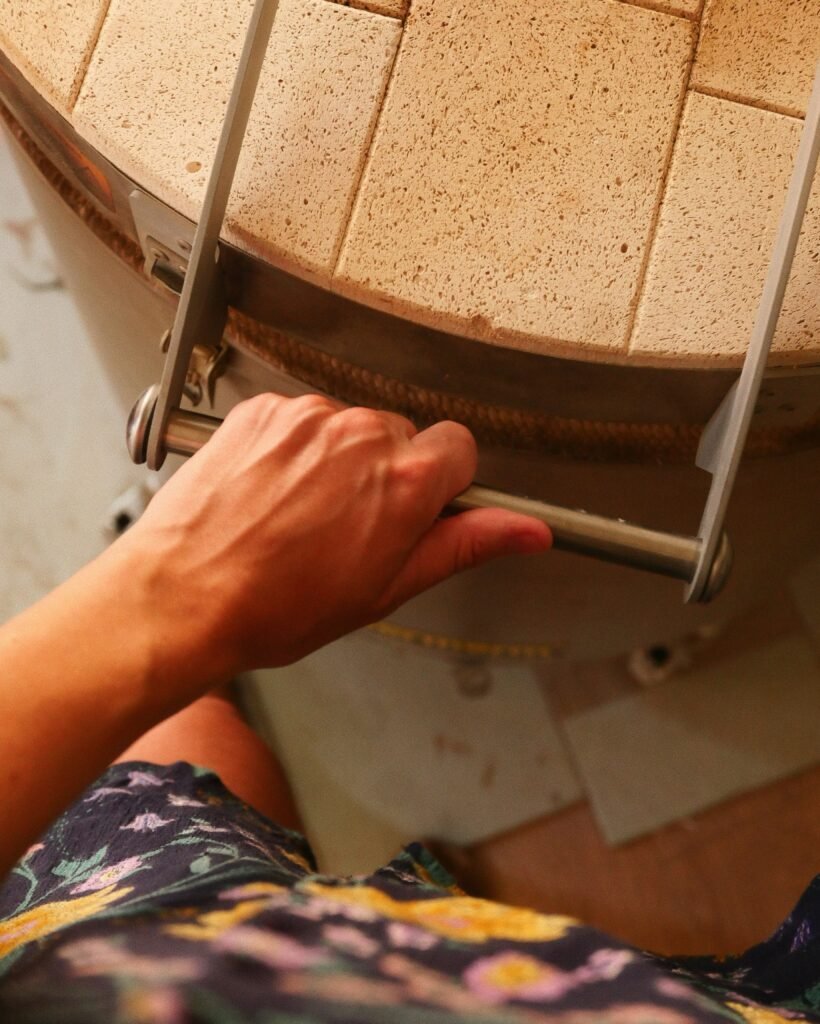
Buying a used pottery kiln can save you a lot of money when you are building a home pottery studio. However, a low purchase price does not always mean a good deal. An older kiln may need new elements, electrical work, firebrick repairs, or a replacement controller.
The good news is that you can catch many expensive problems before you buy. You do not need to be a kiln technician, either. A careful inspection can tell you a lot about the kiln’s condition and help you negotiate a fair price.
Here is what to check before buying a second-hand pottery kiln.
Start With the Kiln Model
Before you inspect the kiln, find out exactly what you are buying.
Look for the manufacturer’s name and model number. You can usually find this information on a data plate or identification label.
The model tells you important details about the kiln. Those details include chamber size, maximum firing temperature, voltage, amperage, controller type, and available replacement parts.
A seller might describe a kiln as a “large high-fire kiln.” That description does not tell you enough.
You need the exact model.
Once you have the model number, research its specifications. Then compare those specifications with your studio requirements.
You can also browse The Kiln Depot’s pottery kiln collection to compare current kiln sizes and configurations.
Inspect the Firebrick
Open the kiln and inspect the interior carefully.
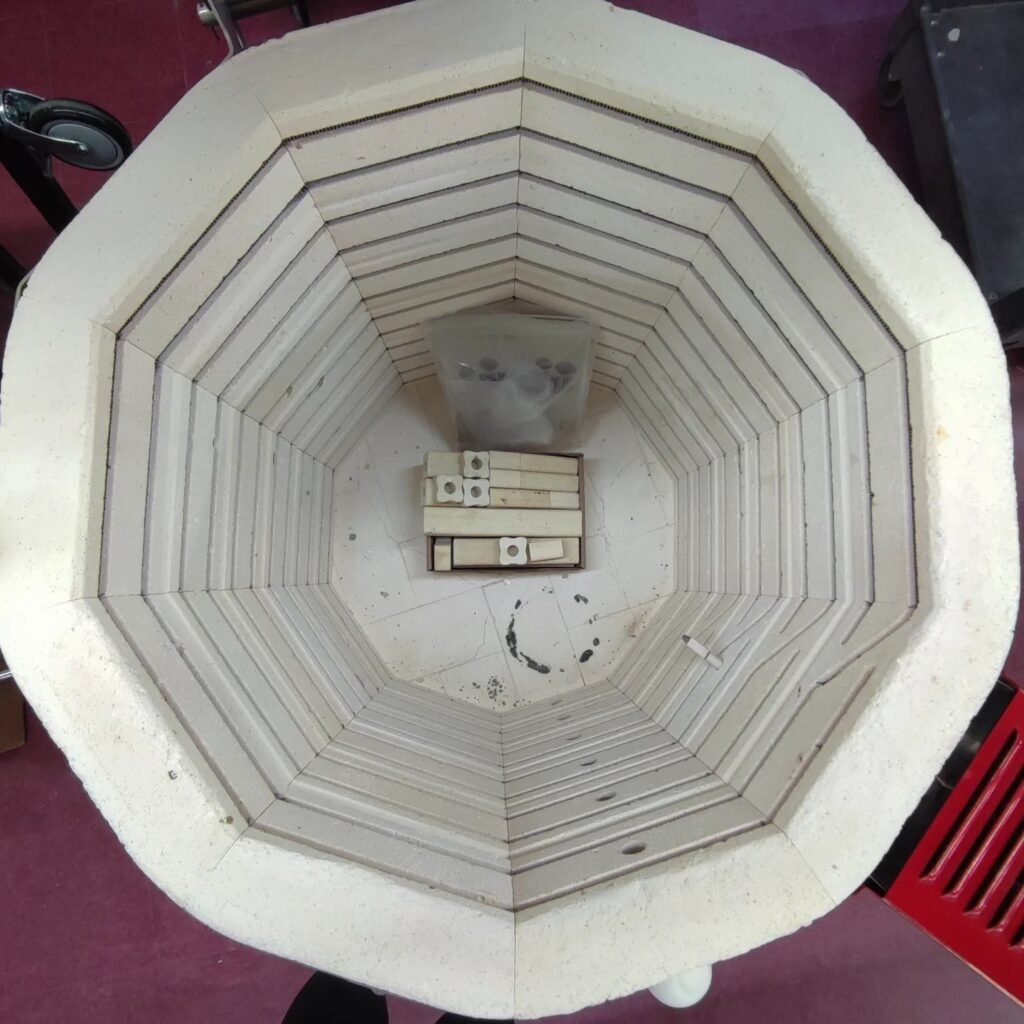
Small cracks do not automatically mean you should walk away. Firebrick expands and contracts through repeated firing cycles, so some wear is normal.
Large cracks deserve more attention.
Look for crumbling sections, missing material, deep damage, and areas that look especially weak around the heating elements.
Check the floor as well. Buyers often focus on the kiln walls and forget to inspect the bottom.
Do not reject an older kiln simply because the interior looks used. Instead, determine whether the damage looks cosmetic or whether it could affect performance and repair costs.
Check the Heating Elements
Heating elements deserve a close inspection because replacement can cost a significant amount.
Look for broken coils, severe oxidation, excessive sagging, and sections that look substantially different from the rest.
Ask the seller when the elements last received replacement.
If the seller does not know, factor potential replacement into your offer.
Older elements do not automatically make a kiln a bad purchase. A well-maintained kiln can continue to provide useful service even when its elements have seen plenty of firing cycles.
On the other hand, badly worn elements can turn a cheap kiln into an expensive project.
Read our guide to 7 signs your kiln elements need replacing before you inspect a second-hand kiln.
Test the Kiln Controller
A digital controller adds convenience to a pottery kiln, but it can also add repair costs when it starts failing.
Ask the seller to turn the controller on.
Check the display for missing segments, unusual error messages, flickering, or damaged buttons.
If possible, ask the seller to demonstrate a firing program. You do not necessarily need to watch an entire firing cycle. You simply want evidence that the controller operates normally.
Older kilns may use manual switches instead of digital controls. Those kilns can still work well, but you should understand the difference before buying.
A manual kiln requires more attention during firing. A programmable controller can automate much of the process.
Choose based on how you actually plan to use the kiln.
Verify the Electrical Requirements
This step can save you from a very expensive surprise.
Find out the kiln’s voltage and amperage requirements before you agree to purchase it.
Then determine whether your studio can safely supply that power.
A $700 kiln may sound like a bargain until you discover that your installation needs major electrical work.
Do not guess.
Ask the seller for the specifications from the kiln’s data plate or manual. If you cannot confirm the requirements, get the exact model number and research it before buying.
When you remain unsure about your electrical service, ask a qualified electrician to evaluate the installation.
Ask About the Kiln’s Firing History
A kiln’s age tells you only part of the story.
You also need to know how the previous owner used it.
Ask how frequently they fired it. Find out what temperatures or cones they normally used. Ask whether they fired pottery, porcelain, glass, or other materials.
A hobbyist who fired once every few weeks placed very different demands on a kiln than a production studio that fired several times each week.
Ask about maintenance too.
Find out whether the owner replaced the elements, thermocouple, relays, controller, or other components.
Recent discussions among potters show why a kiln’s storage and usage history matters. One buyer dealing with a second-hand kiln reported that it had sat unused for more than a decade.
That does not automatically make a kiln unusable. However, long periods of storage deserve careful inspection.
Inspect the Lid or Door
Open and close the lid or door several times.
Pay attention to how it moves.
A top-loading kiln should open and close without excessive force. Look for damaged hinges, loose hardware, deteriorated insulation, and large gaps.
Front-loading kilns need careful inspection around the door and seal.
The lid or door needs to close properly to help the kiln retain heat.
A damaged seal or poorly fitting lid can increase heat loss and place additional demands on the heating system.
Examine the Kiln Furniture
Ask whether the sale includes shelves and posts.
Kiln furniture can add significant value to a used kiln.
Count the shelves before you agree on a price. Then inspect each one for cracks, warping, and heavy glaze buildup.
Check the posts too.
A kiln without shelves may look inexpensive at first. Once you price a complete set of replacement furniture, the bargain can disappear quickly.
If the kiln needs replacement furniture, compare the cost with the kiln shelves and furniture available for your setup.
Look for Signs of Careless Firing
The kiln interior can reveal how the previous owner treated the equipment.
Look for heavy glaze buildup.
Check for melted kiln furniture.
Inspect the elements for evidence of contact with pottery.
Look at the firebrick for areas with unusual damage.
These signs do not automatically mean you should reject the kiln. They do give you useful information about its history.
Ask what caused any obvious damage.
A seller who can explain previous repairs and problems gives you much more useful information than someone who simply says, “It works fine.”
Inspect the Thermocouple
The thermocouple measures temperature inside the kiln and sends that information to the controller.
Inspect it only when the kiln has cooled completely.
Look for severe oxidation, cracks, physical damage, or obvious deterioration.
Ask when the owner last replaced it.
A worn thermocouple does not necessarily make the kiln a bad purchase. However, you should understand its condition before deciding what the kiln is worth.
For more information, read our guide to kiln thermocouple replacement.
Ask About Ventilation
Find out whether the kiln includes a ventilation system.
If it does, inspect the fan, ducting, and connections.
If it does not, calculate the cost of adding appropriate ventilation to your studio.
Do this before buying the kiln.
Your studio location also matters. A kiln inside a dedicated ceramic workspace has different ventilation considerations from one installed in a garage or other enclosed area.
Follow the kiln manufacturer’s recommendations and consult a qualified professional when you need installation advice.
Request a Test Before Buying
If possible, ask the seller to demonstrate that the kiln operates.
You do not necessarily need to sit through an entire firing.
Instead, watch the kiln power on and begin heating.
Check the controller.
Look for error messages.
Watch the temperature increase.
Listen for unusual sounds.
A demonstration cannot guarantee that an older kiln will never need repairs. It can, however, reveal obvious problems before you hand over your money.
If a seller refuses to let you inspect or test the equipment without a reasonable explanation, slow down.
You do not need to rush into a purchase.
Calculate the Real Purchase Price
The asking price tells you only part of the story.
Calculate the complete cost before deciding whether the deal makes sense.
Include transportation.
Add electrical installation.
Consider ventilation.
Include missing shelves and posts.
Then estimate possible repairs to the elements, thermocouple, controller, or firebrick.
A $600 kiln that needs $1,500 of work is not really a $600 kiln.
By comparison, a $600 kiln that needs only minor maintenance could be an excellent deal.
The goal is not to find the cheapest kiln.
The goal is to find the best value.
Used vs. New Pottery Kiln
A used kiln makes sense when the savings justify the additional uncertainty.
You may find a high-quality kiln for far less than its original purchase price. That can make second-hand equipment especially attractive for home studios and new potters.
New equipment gives you a different set of advantages.
You generally get newer components, clearer warranty coverage, and a more predictable starting condition.
Neither option automatically wins.
A well-maintained used kiln from a reputable manufacturer can provide years of service.
A poorly maintained bargain can become a constant repair project.
Base your decision on condition rather than age alone.
Questions to Ask the Seller
Before you visit the kiln, ask these questions:
What is the exact manufacturer and model?
How old is the kiln?
How often did you use it?
When did you last fire it?
What cone or temperature did you normally fire to?
When did you last replace the elements?
When did you last replace the thermocouple?
Has the controller ever needed repair?
Does the sale include shelves and posts?
Does it include a kiln vent?
What repairs have you made?
What electrical service does the kiln require?
Does everything currently work?
Can I see it power on before purchasing?
Clear answers make the buying process easier.
Vague answers should make you more cautious.
Used Kiln Red Flags
Certain warning signs deserve extra attention.
The seller cannot identify the kiln model.
The electrical requirements remain unclear.
The controller does not work.
The elements show obvious breaks.
Large sections of firebrick have severe damage.
The kiln contains extensive glaze buildup.
The seller refuses reasonable inspection.
The asking price seems suspiciously low without an explanation.
One warning sign does not automatically mean you should walk away.
Several problems together tell a different story.
When multiple components need replacement, calculate the repair costs before making an offer.
Final Thoughts
Buying a used pottery kiln can save you hundreds or even thousands of dollars.
The key is knowing what you are buying.
Start with the model number.
Inspect the firebrick and heating elements.
Test the controller.
Check the thermocouple.
Verify the electrical requirements.
Inspect the kiln furniture.
Ask about the firing history.
Then calculate the complete cost of getting the kiln into working condition.
Most importantly, do not let a low price rush you into a bad decision.
The best used kiln is not necessarily the oldest or cheapest one.
It is the kiln with a solid condition, useful firing capacity, manageable repair needs, and a total cost that fits your studio budget.
A careful inspection before the purchase can save you from an expensive surprise later. a used pottery kiln can save you a lot of money when you are building a home pottery studio. However, a low purchase price does not always mean a good deal. An older kiln may need new elements, electrical work, firebrick repairs, or a replacement controller.
The good news is that you can catch many expensive problems before you buy. You do not need to be a kiln technician, either. A careful inspection can tell you a lot about the kiln’s condition and help you negotiate a fair price.
Here is what to check before buying a second-hand pottery kiln.
Start With the Kiln Model
Before you inspect the kiln, find out exactly what you are buying.
Look for the manufacturer’s name and model number. You can usually find this information on a data plate or identification label.
The model tells you important details about the kiln. Those details include chamber size, maximum firing temperature, voltage, amperage, controller type, and available replacement parts.
A seller might describe a kiln as a “large high-fire kiln.” That description does not tell you enough.
You need the exact model.
Once you have the model number, research its specifications. Then compare those specifications with your studio requirements.
You can also browse The Kiln Depot’s pottery kiln collection to compare current kiln sizes and configurations.
Inspect the Firebrick
Open the kiln and inspect the interior carefully.
Small cracks do not automatically mean you should walk away. Firebrick expands and contracts through repeated firing cycles, so some wear is normal.
Large cracks deserve more attention.
Look for crumbling sections, missing material, deep damage, and areas that look especially weak around the heating elements.
Check the floor as well. Buyers often focus on the kiln walls and forget to inspect the bottom.
Do not reject an older kiln simply because the interior looks used. Instead, determine whether the damage looks cosmetic or whether it could affect performance and repair costs.
Check the Heating Elements
Heating elements deserve a close inspection because replacement can cost a significant amount.
Look for broken coils, severe oxidation, excessive sagging, and sections that look substantially different from the rest.
Ask the seller when the elements last received replacement.
If the seller does not know, factor potential replacement into your offer.
Older elements do not automatically make a kiln a bad purchase. A well-maintained kiln can continue to provide useful service even when its elements have seen plenty of firing cycles.
On the other hand, badly worn elements can turn a cheap kiln into an expensive project.
Read our guide to 7 signs your kiln elements need replacing before you inspect a second-hand kiln.
Test the Kiln Controller
A digital controller adds convenience to a pottery kiln, but it can also add repair costs when it starts failing.
Ask the seller to turn the controller on.
Check the display for missing segments, unusual error messages, flickering, or damaged buttons.
If possible, ask the seller to demonstrate a firing program. You do not necessarily need to watch an entire firing cycle. You simply want evidence that the controller operates normally.
Older kilns may use manual switches instead of digital controls. Those kilns can still work well, but you should understand the difference before buying.
A manual kiln requires more attention during firing. A programmable controller can automate much of the process.
Choose based on how you actually plan to use the kiln.
Verify the Electrical Requirements
This step can save you from a very expensive surprise.
Find out the kiln’s voltage and amperage requirements before you agree to purchase it.
Then determine whether your studio can safely supply that power.
A $700 kiln may sound like a bargain until you discover that your installation needs major electrical work.
Do not guess.
Ask the seller for the specifications from the kiln’s data plate or manual. If you cannot confirm the requirements, get the exact model number and research it before buying.
When you remain unsure about your electrical service, ask a qualified electrician to evaluate the installation.
Ask About the Kiln’s Firing History
A kiln’s age tells you only part of the story.
You also need to know how the previous owner used it.
Ask how frequently they fired it. Find out what temperatures or cones they normally used. Ask whether they fired pottery, porcelain, glass, or other materials.
A hobbyist who fired once every few weeks placed very different demands on a kiln than a production studio that fired several times each week.
Ask about maintenance too.
Find out whether the owner replaced the elements, thermocouple, relays, controller, or other components.
Recent discussions among potters show why a kiln’s storage and usage history matters. One buyer dealing with a second-hand kiln reported that it had sat unused for more than a decade.
That does not automatically make a kiln unusable. However, long periods of storage deserve careful inspection.
Inspect the Lid or Door
Open and close the lid or door several times.
Pay attention to how it moves.
A top-loading kiln should open and close without excessive force. Look for damaged hinges, loose hardware, deteriorated insulation, and large gaps.
Front-loading kilns need careful inspection around the door and seal.
The lid or door needs to close properly to help the kiln retain heat.
A damaged seal or poorly fitting lid can increase heat loss and place additional demands on the heating system.
Examine the Kiln Furniture
Ask whether the sale includes shelves and posts.
Kiln furniture can add significant value to a used kiln.
Count the shelves before you agree on a price. Then inspect each one for cracks, warping, and heavy glaze buildup.
Check the posts too.
A kiln without shelves may look inexpensive at first. Once you price a complete set of replacement furniture, the bargain can disappear quickly.
If the kiln needs replacement furniture, compare the cost with the kiln shelves and furniture available for your setup.
Look for Signs of Careless Firing
The kiln interior can reveal how the previous owner treated the equipment.
Look for heavy glaze buildup.
Check for melted kiln furniture.
Inspect the elements for evidence of contact with pottery.
Look at the firebrick for areas with unusual damage.
These signs do not automatically mean you should reject the kiln. They do give you useful information about its history.
Ask what caused any obvious damage.
A seller who can explain previous repairs and problems gives you much more useful information than someone who simply says, “It works fine.”
Inspect the Thermocouple
The thermocouple measures temperature inside the kiln and sends that information to the controller.
Inspect it only when the kiln has cooled completely.
Look for severe oxidation, cracks, physical damage, or obvious deterioration.
Ask when the owner last replaced it.
A worn thermocouple does not necessarily make the kiln a bad purchase. However, you should understand its condition before deciding what the kiln is worth.
For more information, read our guide to kiln thermocouple replacement.
Ask About Ventilation
Find out whether the kiln includes a ventilation system.
If it does, inspect the fan, ducting, and connections.
If it does not, calculate the cost of adding appropriate ventilation to your studio.
Do this before buying the kiln.
Your studio location also matters. A kiln inside a dedicated ceramic workspace has different ventilation considerations from one installed in a garage or other enclosed area.
Follow the kiln manufacturer’s recommendations and consult a qualified professional when you need installation advice.
Request a Test Before Buying
If possible, ask the seller to demonstrate that the kiln operates.
You do not necessarily need to sit through an entire firing.
Instead, watch the kiln power on and begin heating.
Check the controller.
Look for error messages.
Watch the temperature increase.
Listen for unusual sounds.
A demonstration cannot guarantee that an older kiln will never need repairs. It can, however, reveal obvious problems before you hand over your money.
If a seller refuses to let you inspect or test the equipment without a reasonable explanation, slow down.
You do not need to rush into a purchase.
Calculate the Real Purchase Price
The asking price tells you only part of the story.
Calculate the complete cost before deciding whether the deal makes sense.
Include transportation.
Add electrical installation.
Consider ventilation.
Include missing shelves and posts.
Then estimate possible repairs to the elements, thermocouple, controller, or firebrick.
A $600 kiln that needs $1,500 of work is not really a $600 kiln.
By comparison, a $600 kiln that needs only minor maintenance could be an excellent deal.
The goal is not to find the cheapest kiln.
The goal is to find the best value.
Used vs. New Pottery Kiln
A used kiln makes sense when the savings justify the additional uncertainty.
You may find a high-quality kiln for far less than its original purchase price. That can make second-hand equipment especially attractive for home studios and new potters.
New equipment gives you a different set of advantages.
You generally get newer components, clearer warranty coverage, and a more predictable starting condition.
Neither option automatically wins.
A well-maintained used kiln from a reputable manufacturer can provide years of service.
A poorly maintained bargain can become a constant repair project.
Base your decision on condition rather than age alone.
Questions to Ask the Seller
Before you visit the kiln, ask these questions:
What is the exact manufacturer and model?
How old is the kiln?
How often did you use it?
When did you last fire it?
What cone or temperature did you normally fire to?
When did you last replace the elements?
When did you last replace the thermocouple?
Has the controller ever needed repair?
Does the sale include shelves and posts?
Does it include a kiln vent?
What repairs have you made?
What electrical service does the kiln require?
Does everything currently work?
Can I see it power on before purchasing?
Clear answers make the buying process easier.
Vague answers should make you more cautious.
Used Kiln Red Flags
Certain warning signs deserve extra attention.
The seller cannot identify the kiln model.
The electrical requirements remain unclear.
The controller does not work.
The elements show obvious breaks.
Large sections of firebrick have severe damage.
The kiln contains extensive glaze buildup.
The seller refuses reasonable inspection.
The asking price seems suspiciously low without an explanation.
One warning sign does not automatically mean you should walk away.
Several problems together tell a different story.
When multiple components need replacement, calculate the repair costs before making an offer.
Final Thoughts
Buying a used pottery kiln can save you hundreds or even thousands of dollars.
The key is knowing what you are buying.
Start with the model number.
Inspect the firebrick and heating elements.
Test the controller.
Check the thermocouple.
Verify the electrical requirements.
Inspect the kiln furniture.
Ask about the firing history.
Then calculate the complete cost of getting the kiln into working condition.
Most importantly, do not let a low price rush you into a bad decision.
The best used kiln is not necessarily the oldest or cheapest one.
It is the kiln with a solid condition, useful firing capacity, manageable repair needs, and a total cost that fits your studio budget.
A careful inspection before the purchase can save you from an expensive surprise later.

Pingback: Pottery Kiln Setup: A Safe Home Studio Guide - The Kiln Depot kiln - Kilns - potterywheel - skutt - brentwheel - furniture -
Pingback: Pottery Kiln Size: How to Choose the Right One - The Kiln Depot kiln - Kilns - potterywheel - skutt - brentwheel - furniture -
Pingback: Kiln Sitter Adjustment: How to Check Yours