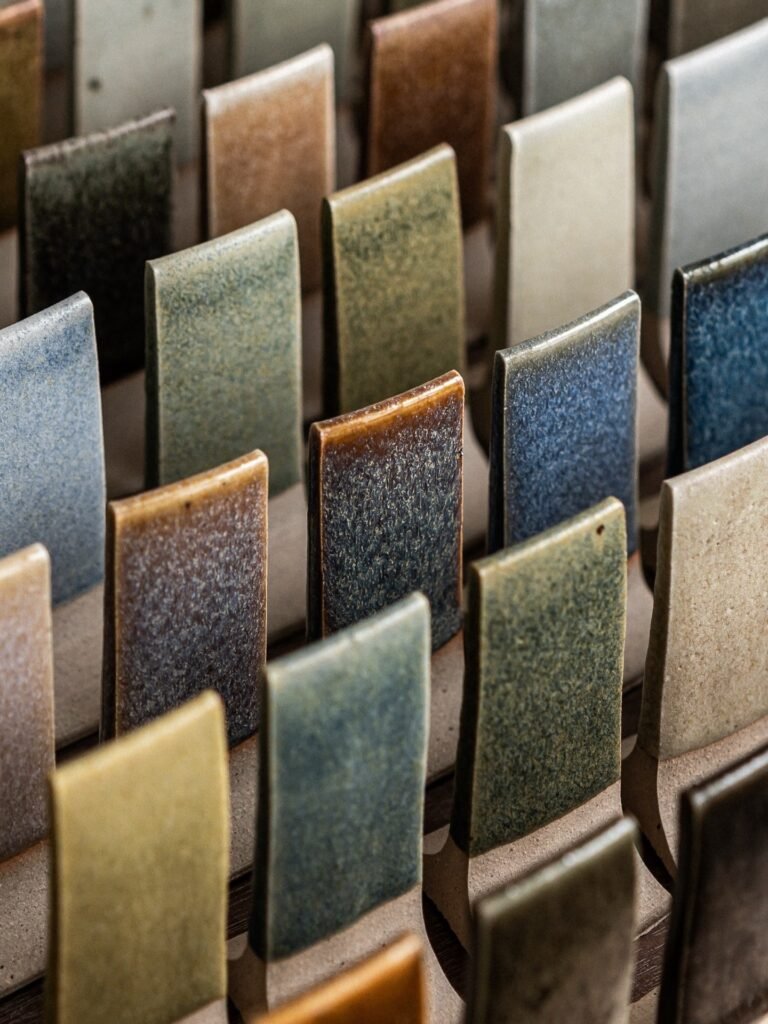
If your glaze shelf is already full but your finished pottery is starting to look a little too predictable, pottery glaze layering is one of the easiest ways to create new surfaces without buying an entirely new collection of glazes. Layering two compatible glazes can produce depth, movement, color variation and reactions that neither glaze […]
Author Archives: The Kiln Depot
Pottery cracking almost always comes down to one root cause: stress from uneven shrinkage. Clay shrinks as it dries, shrinks again during firing, and then expands and contracts during cooling. When one part of a piece moves differently than another, that stress eventually shows up as a crack. This guide covers the real causes behind […]
How to center clay on a pottery wheel comes down to steady hands, firm pressure, and real patience. Centering is widely considered the hardest skill for beginners to learn. Everything else, opening, pulling, and shaping, depends entirely on getting this first step right. This guide walks through the real technique, common mistakes, and how to […]
Pottery wheel noise in an apartment usually comes from two different sources. Each one needs its own fix. Structural noise travels through the floor and walls as a low rumble your neighbors feel more than hear. Airborne noise, like a whining motor, travels straight through the air instead. Knowing which type you’re dealing with tells […]
Common pottery glazing mistakes almost always trace back to a small, predictable set of causes. Dirty bisqueware, glaze left on the foot, uneven coats, and the wrong firing schedule are the biggest culprits. Each one is genuinely avoidable once you know what actually causes it. This guide covers the real mistakes beginners make most often. […]
Learning how to clean a pottery wheel properly comes down to five real steps. Unplug it first. Scrape off dried clay next. Wipe every surface down, rinse carefully, then let it dry fully before reassembling. Regular cleaning prevents rust, stops screws from seizing, and keeps your motor running for years instead of months. Skip this […]
Wheel throwing vs hand building comes down to one real tradeoff. Hand building is easier for most beginners starting pottery for the first time. You get a satisfying result sooner, and you keep more direct control over the clay at every step. Wheel throwing takes longer to feel natural. Centering the clay is a real […]
05
Sep
Sep
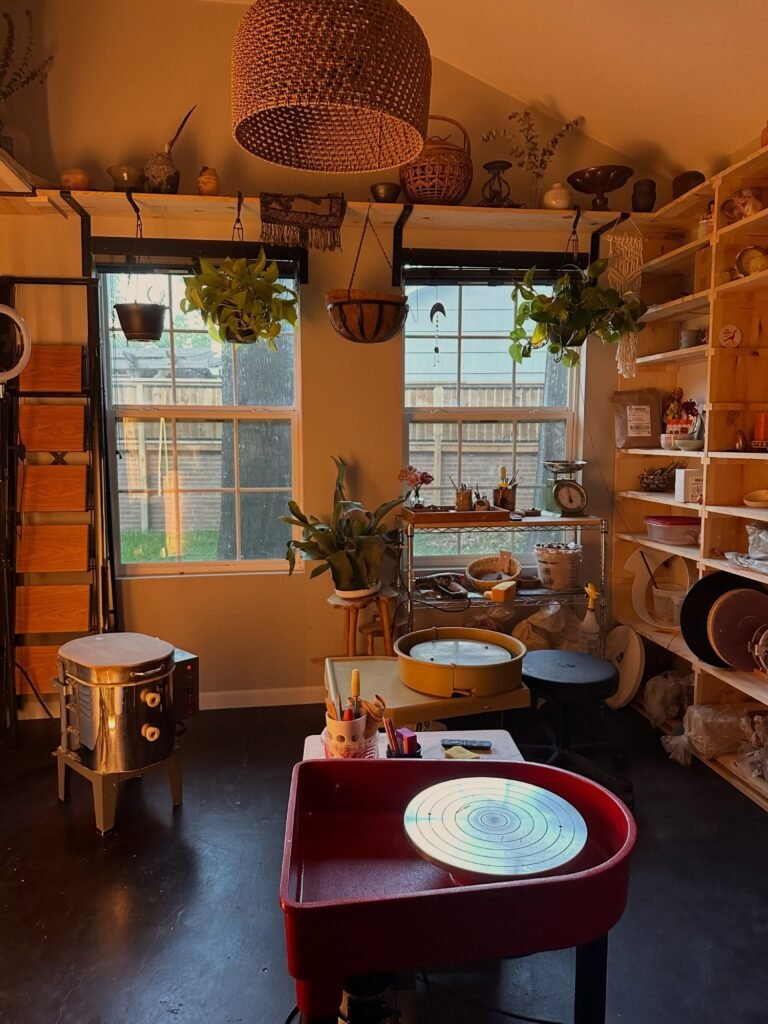
A basic home pottery studio still costs $500 to $1,000 for a simple wheel and hand tools. A more complete setup, with a real wheel and your own kiln, runs $1,500 to $4,000. Community studio membership is the cheapest way to try pottery first, often just $40 to $80 a month. The real cost decision […]
Finishing a local pottery class often leaves people wanting more. Not everyone wants to keep paying for studio time or waiting for the next session to open up. If you searched for a pottery class near you, loved it, and now want your own setup, you’re not alone. This is one of the most common […]
3-inch brick vs 2.5-inch brick comes down to real insulation and energy savings, not just marketing language. Skutt’s own guidance confirms 3-inch brick delivers roughly 15% better energy efficiency on average. On some models, it even raises the kiln’s max cone rating. This isn’t a cosmetic upgrade. It changes real performance. This guide covers what […]