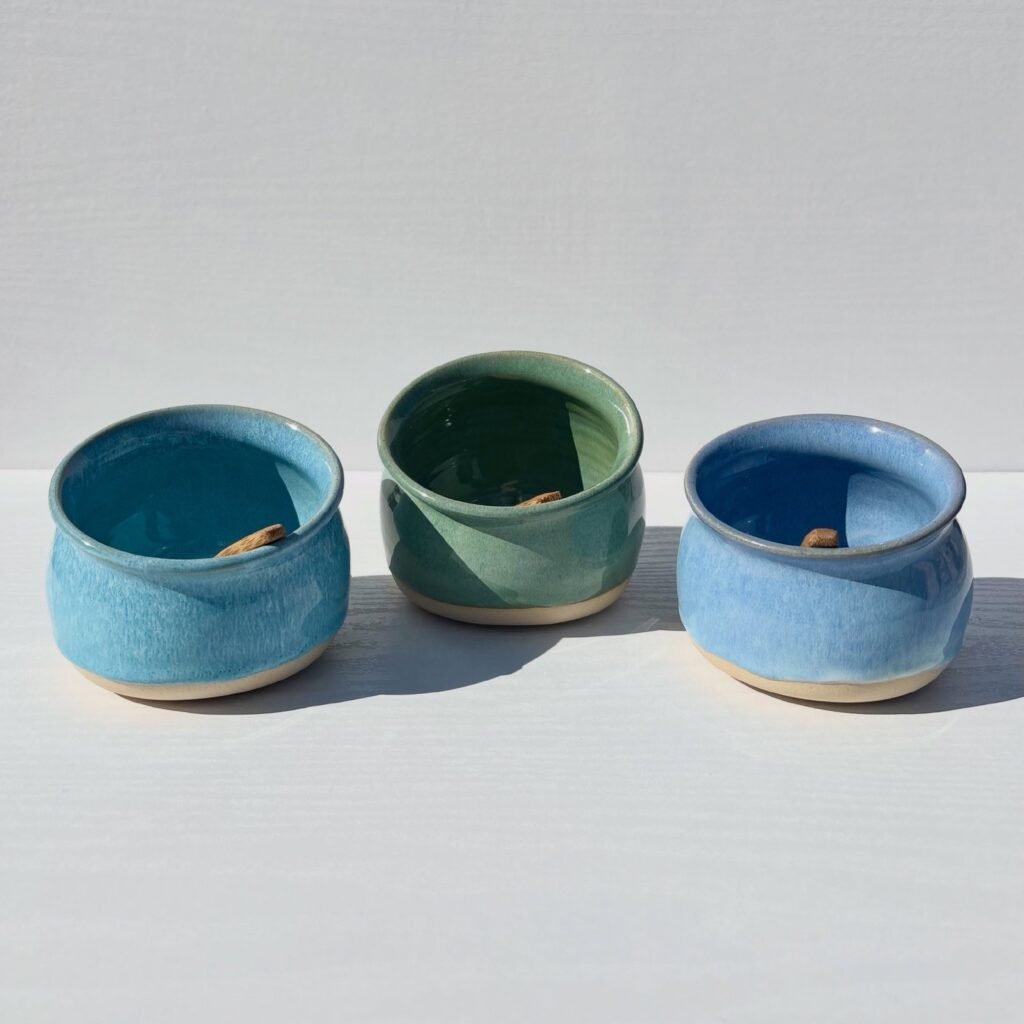
Salt glaze pottery has a distinctive orange-peel surface and handmade character. Learn how salt firing works, what makes the technique different and what potters need to know before trying it.
Author Archives: The Kiln Depot
08
Sep
Sep
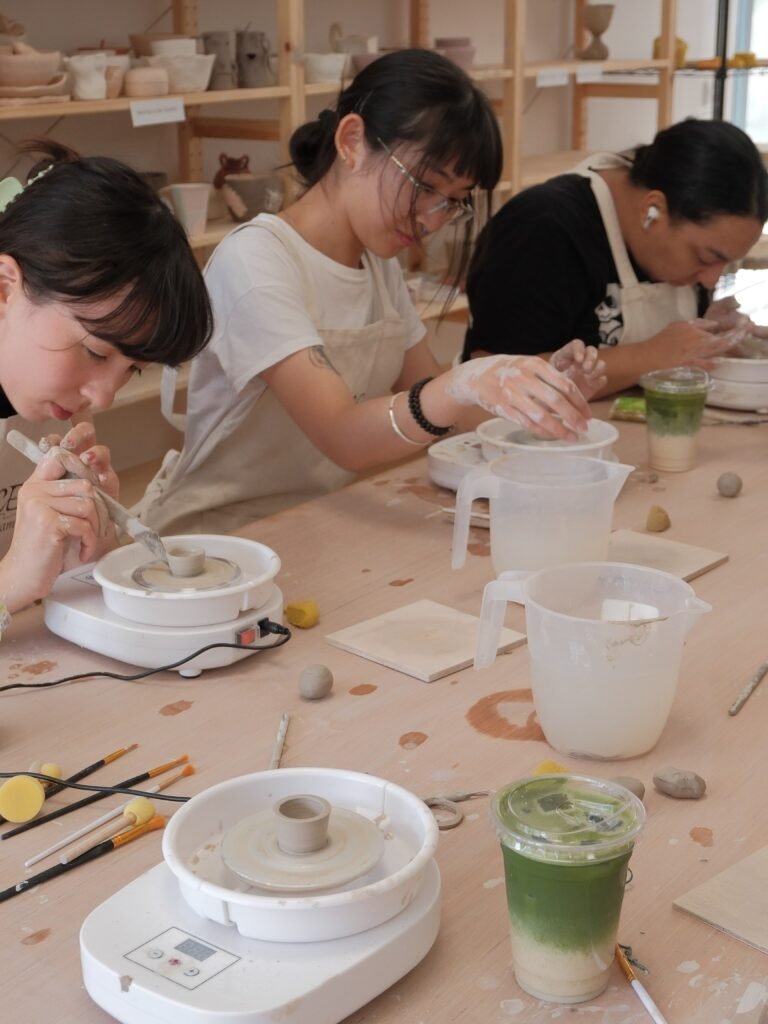
A mini pottery wheel can make home pottery easier when space is tight. Here’s what adults should consider before choosing a compact wheel over a full-size model.
A plain clay surface can be beautiful. However, pottery texture techniques can give a simple form considerably more character without requiring complicated decoration. Today, ceramic artists are putting more emphasis on tactile surfaces, visible handwork and marks that make each piece feel individual. Current ceramics coverage includes everything from carved surfaces and traditional Japanese techniques […]
Reactive glazes are popular because they create variation instead of a perfectly uniform surface. During firing, they can produce flowing colors, pooling, speckling, breaking and other effects that make each ceramic piece look slightly different. That unpredictability is a big part of their appeal. In 2026, ceramic design is increasingly moving toward earthy colors, organic […]
07
Sep
Sep
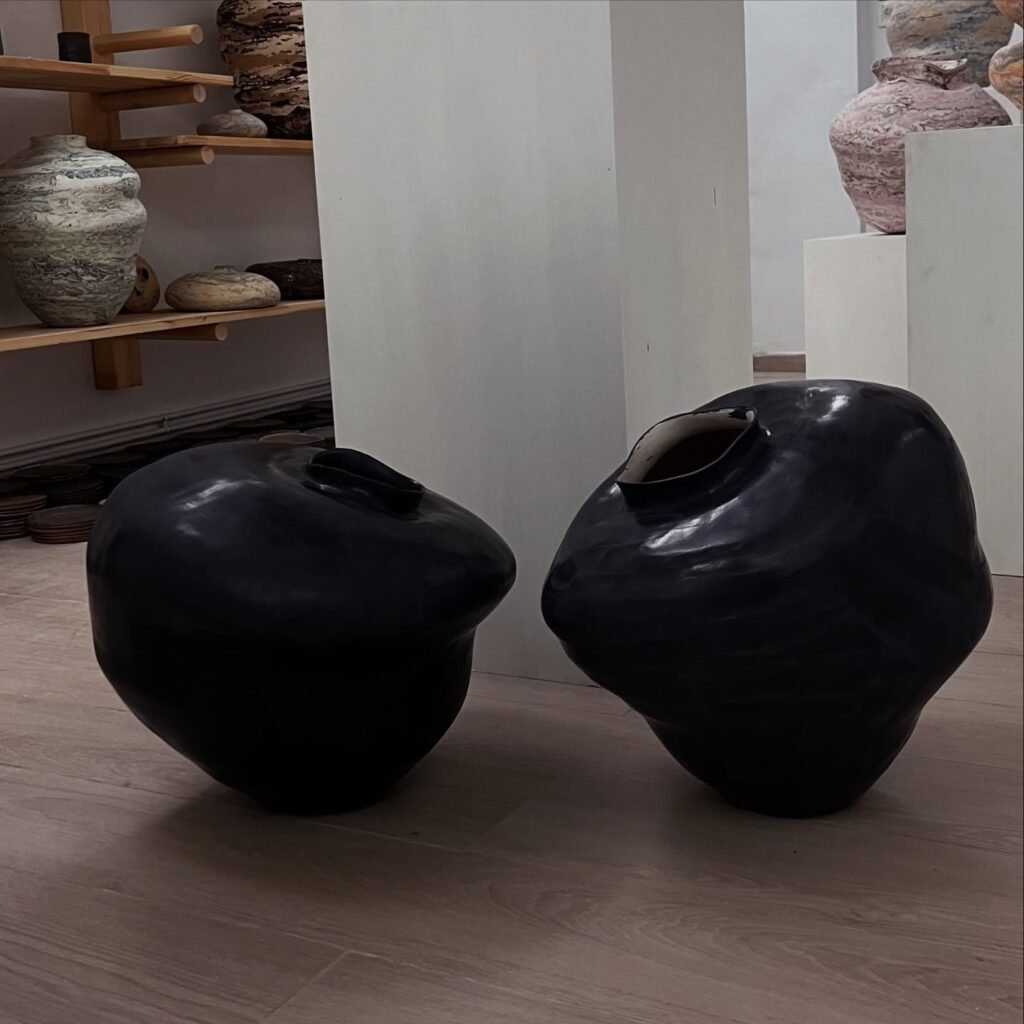
Terra sigillata creates a smooth, refined ceramic surface without relying on traditional glaze. Learn how to apply, burnish, test, and fire it successfully.
07
Sep
Sep
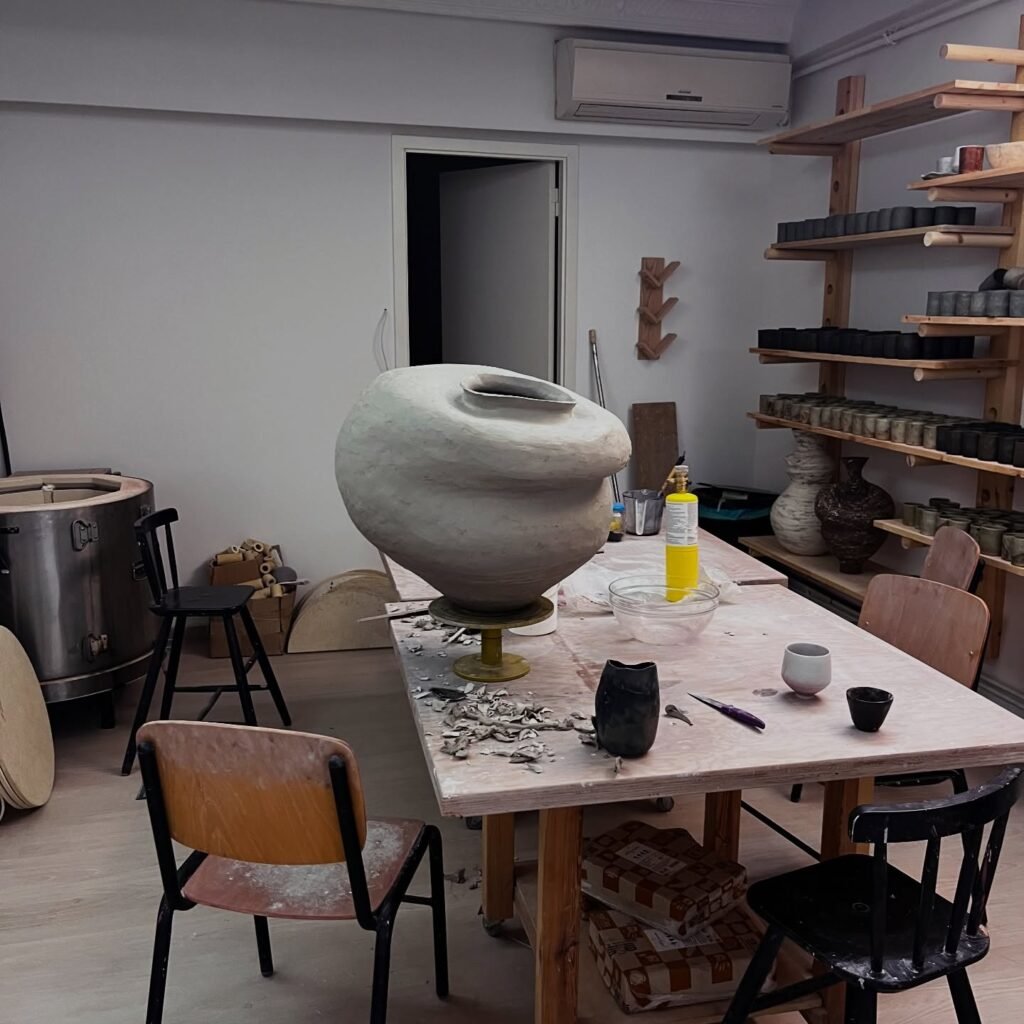
Underglaze on pottery gives you much more control over color, line, and surface decoration than many beginners expect. You can brush it onto greenware or bisqueware, build up several layers, carve through it, and often cover it with a clear glaze before firing. That flexibility makes underglaze useful for both simple pottery projects and highly […]
07
Sep
Sep
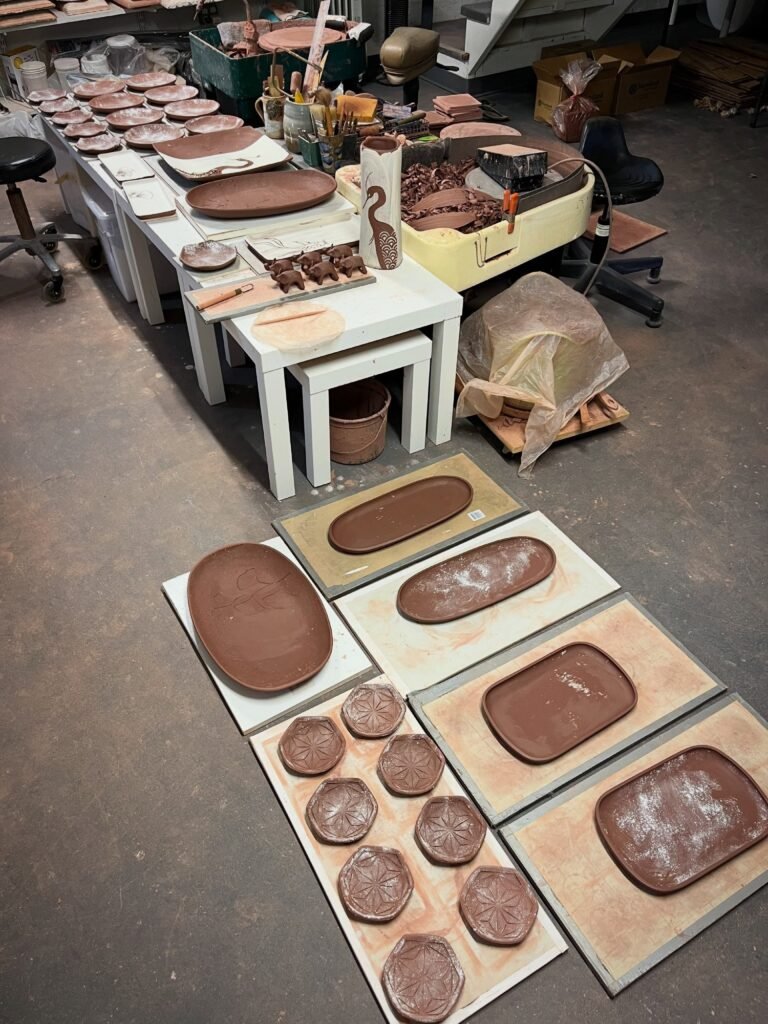
You don’t need a pugmill to reuse your pottery scraps. Learn how to reclaim clay by hand and turn leftover trimmings and dried scraps back into workable clay.
07
Sep
Sep
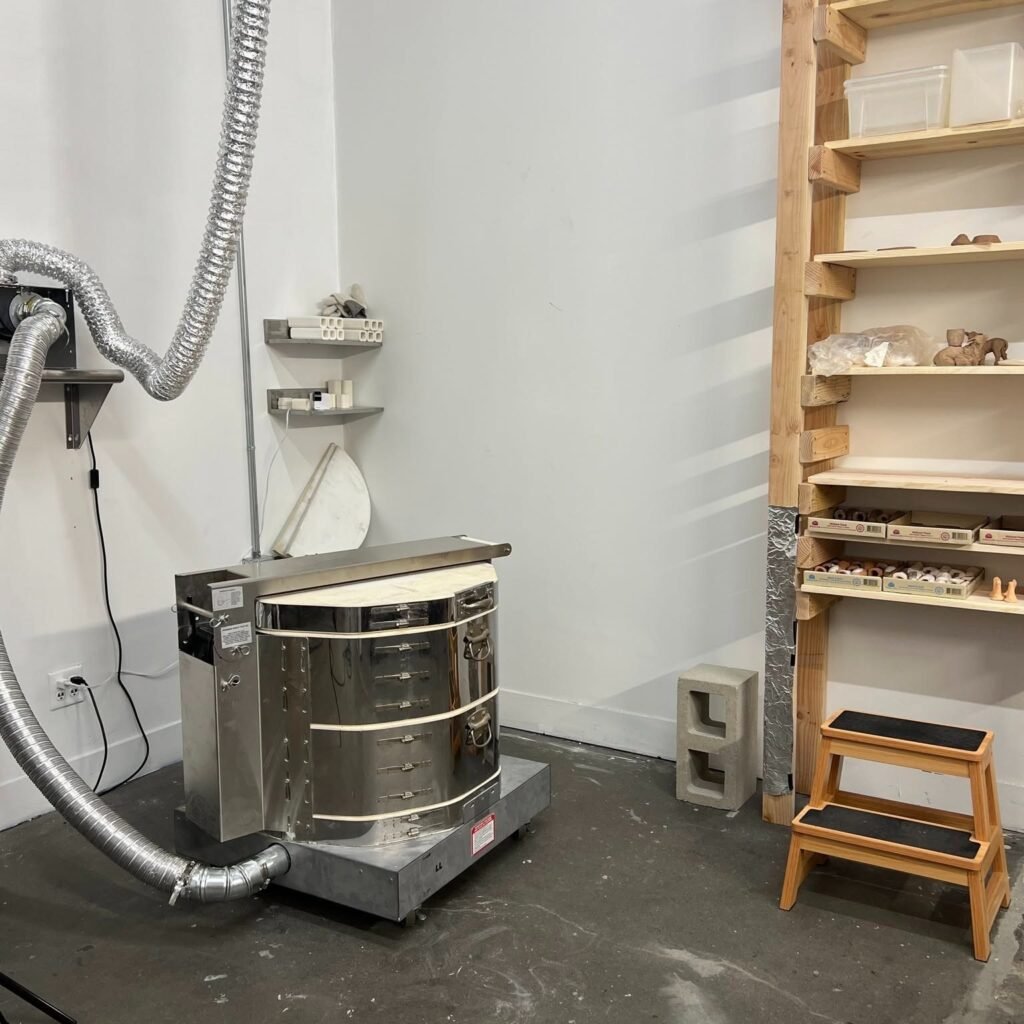
Running a pottery kiln at home? Learn how kiln ventilation works, when you need a vent system, and how to manage fumes safely in a home studio.
07
Sep
Sep
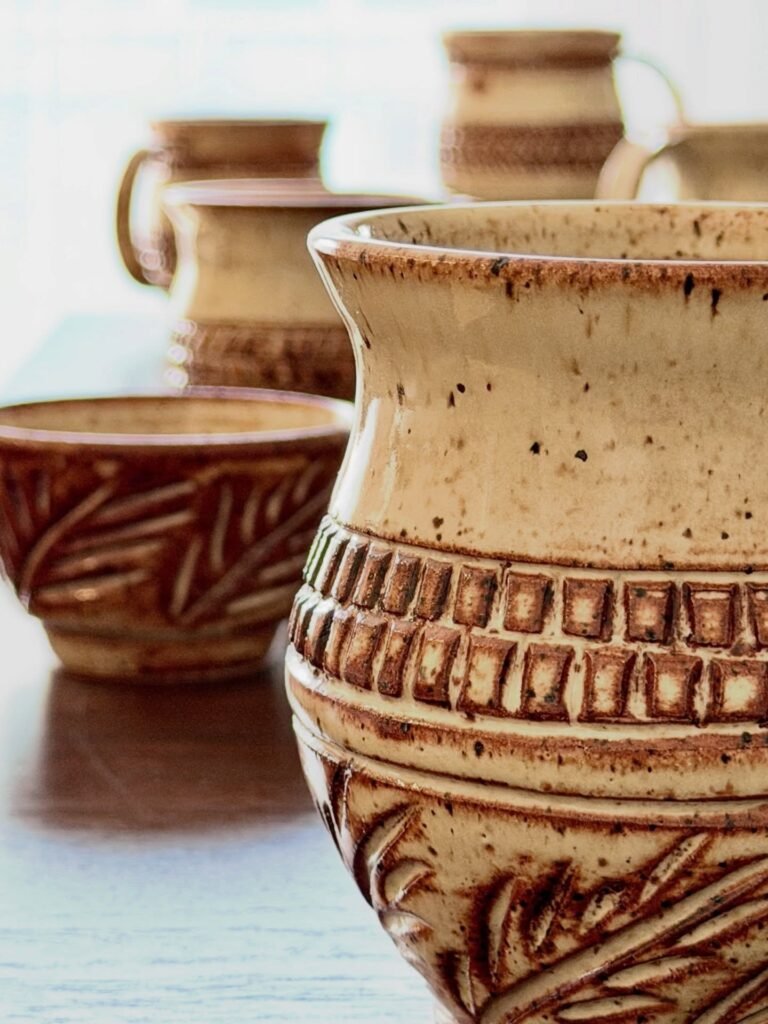
Pottery texture can turn a simple form into something much more distinctive. You can press patterns into wet clay, carve leather-hard surfaces, roll textures into slabs, or build raised details onto a finished form. The best part is that you do not need an advanced studio to start. In fact, many useful texture tools are […]
07
Sep
Sep
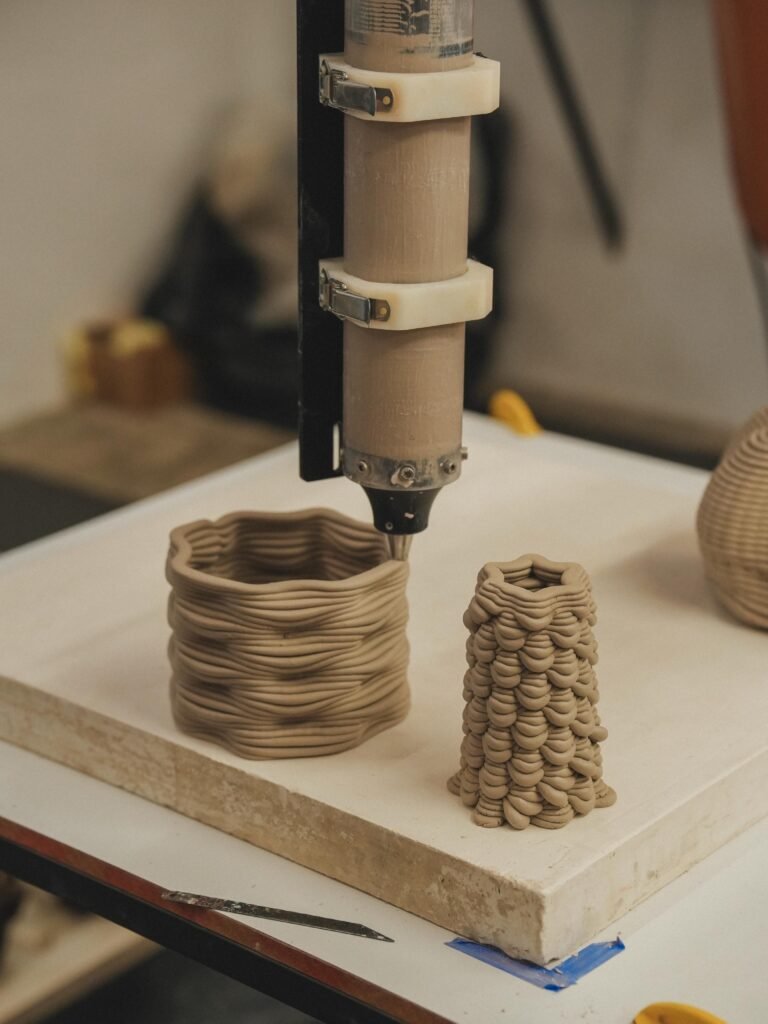
3D clay printing is becoming a serious ceramic tool. Learn how clay 3D printers work, what they can make, and whether one makes sense for your studio.